Color Explorations Notes
JULY 13 - AUGUST 17; Every Monday
COURSE NOTES
Jump to:
CLASS 1: Where did color come from?
Color as material from the earth.
CLASS 2: Can color imitate nature?
The Renaissance search for realism
CLASS 3: Can darkness be beautiful?
Baroque color and the drama of light
CLASS 4:What if color is light itself?
Romanticism, Japanese prints, Impressionism
CLASS 5: What if color expresses emotion instead of reality?
Van Gogh, Gauguin, Munch, Fauves
CLASS 6: What if color becomes the subject?
Abstraction to pop art/pop culture
CLASS 6: What if Color Becomes the Subject?Cézanne, Matisse, Kandinsky, Malevich, Mondrian, Itten, Rothko, Pop Art
Part 1: From Representation to Abstraction
Color as Perception and Science
Key Concepts
Color as Structure
Modulation
Planes of Color
Geometry
Perception
Observation
Form
Modernism
Works
Mont Sainte-Victoire
The Card Players
Henri Matisse
How far can color move away from what we see?
Works
The Red Studio
Key Concepts
Pure Color
Arbitrary Color
Simplification
Flatness
Pattern
Decorative Space
Color as Structure
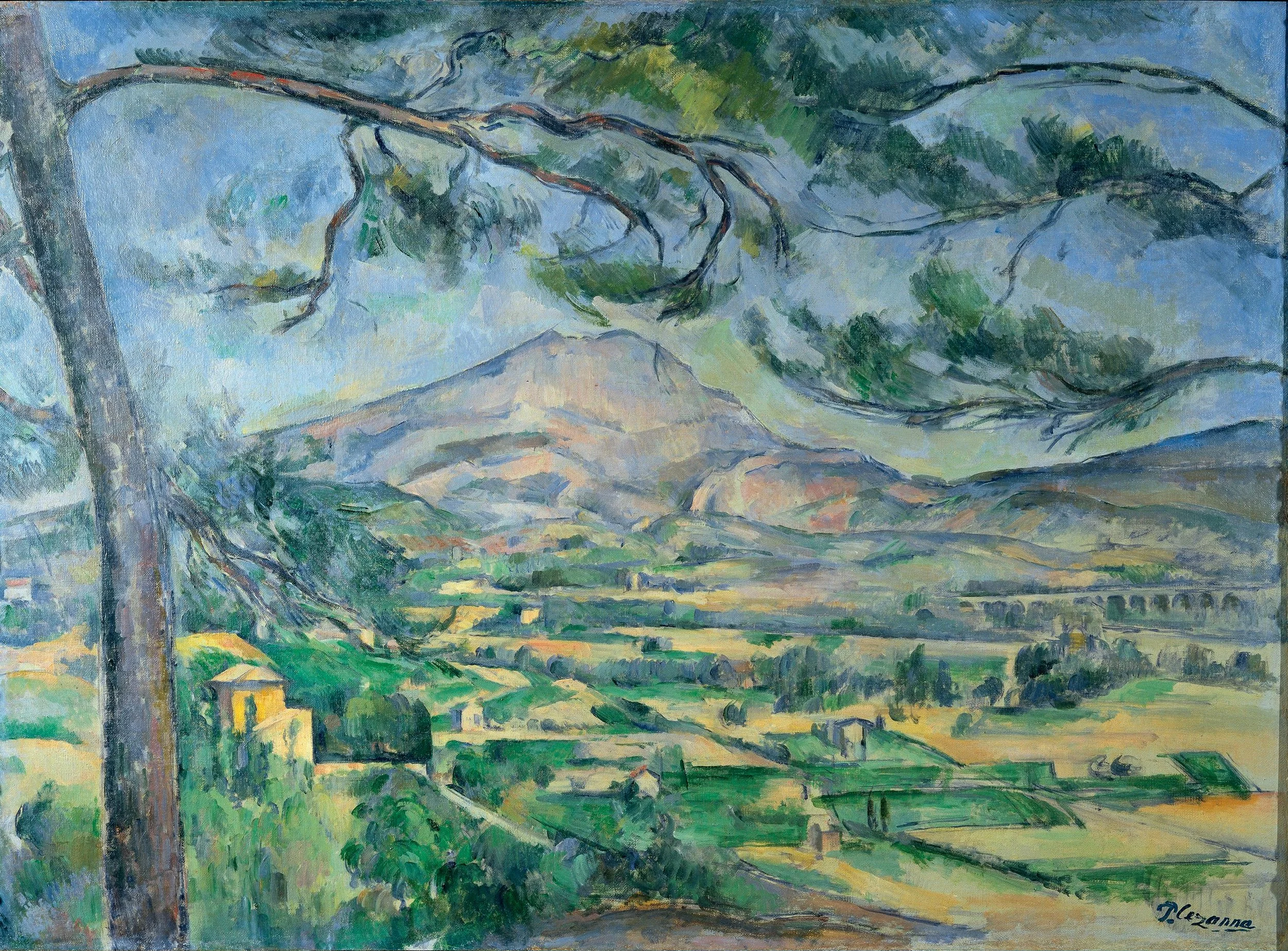
Paul Cézanne, Mont Sainte-Victoire
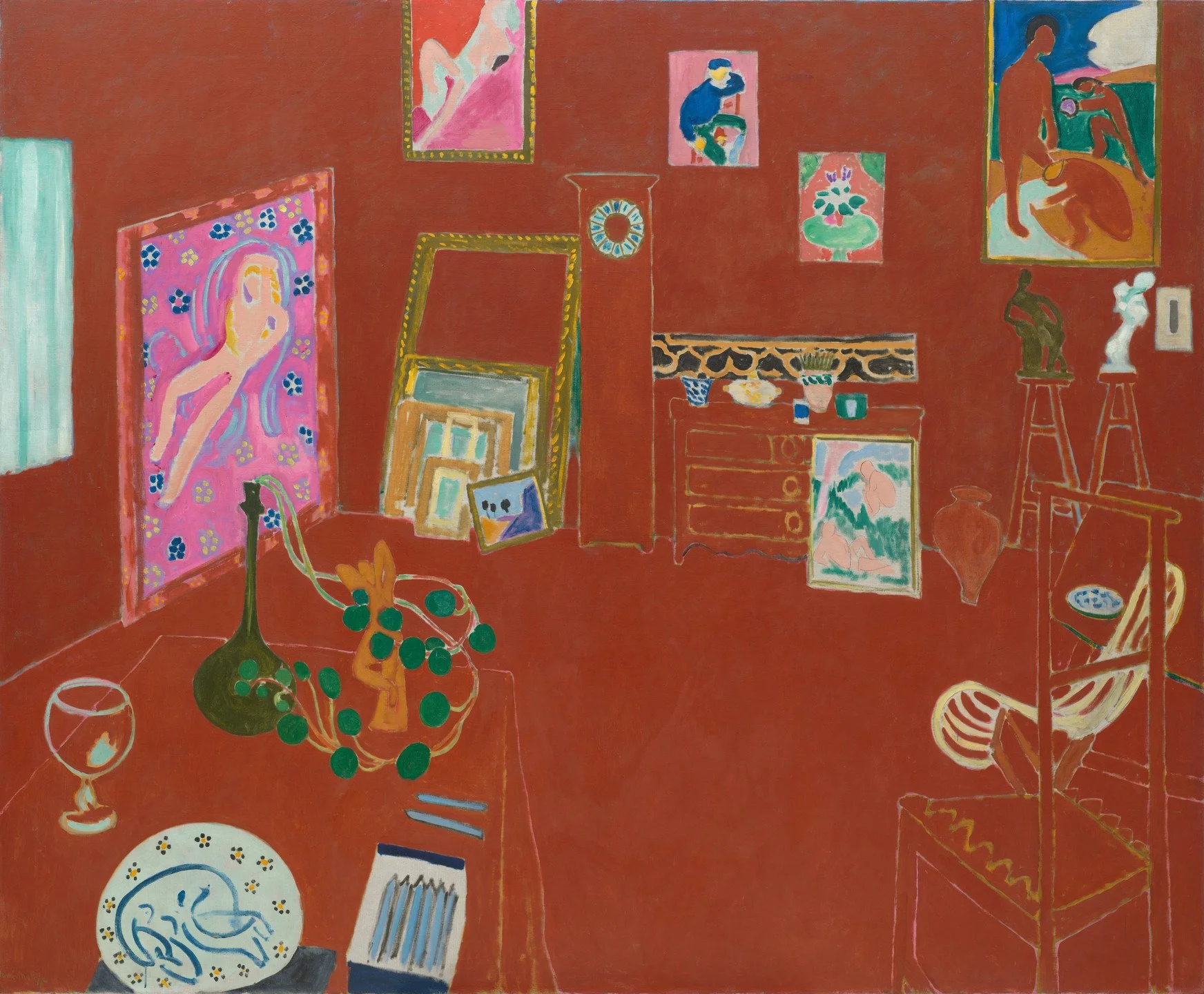
Henri Matisse, The Red Studio, 1911
Part 2: Color as an Independent Language
Can color communicate without depicting?
Wassily Kandinsky
Works
Composition VII
Composition VIII
Several Circles
Yellow-Red-Blue
Wassily Kandinsky, Composition VII, 1913
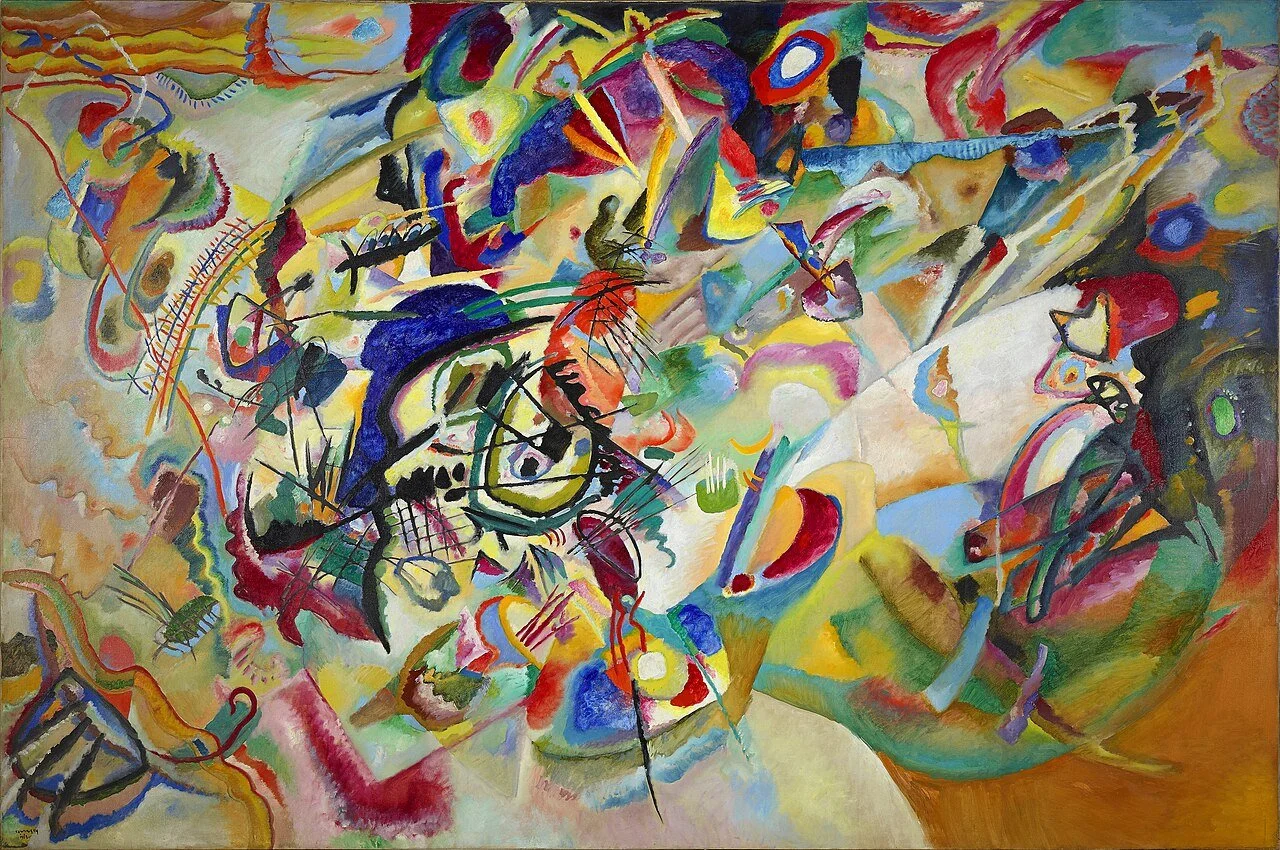

Wassily Kandinsky, Composition VIII, 1923
Concepts
Abstract Color
Color as Language
Music
Rhythm
Harmony
Dissonance
Movement
Synesthesia
Non-Objective Art
Color and Music
Kandinsky increasingly thought about painting through ideas analogous to music:
Rhythm
Harmony
Dissonance
Movement
Resonance
Part 3: When the Subject Disappears
What if there is no subject?
Kazimir Malevich
Works
Works
Black Square
White on White
Suprematist Composition
Key Concepts
Suprematism
Geometric Abstraction
Non-Objective Art
Reduction
Pure Form
Pure Feeling
Absence of Representation
Painting as Object

Kazimir Malevich, Black Square, 1915
Part 4: Color as Relationship
What if color becomes a relationship between shapes, spaces and proportions?
Piet Mondrian
Works
Composition with Red, Blue and Yellow
Composition II in Red, Blue, and Yellow
Broadway Boogie Woogie
Key Concepts
Geometric Abstraction
Primary Colors
Black and White
Balance
Proportion
Rhythm
Grid
Spatial Relationships
Dynamic Equilibrium
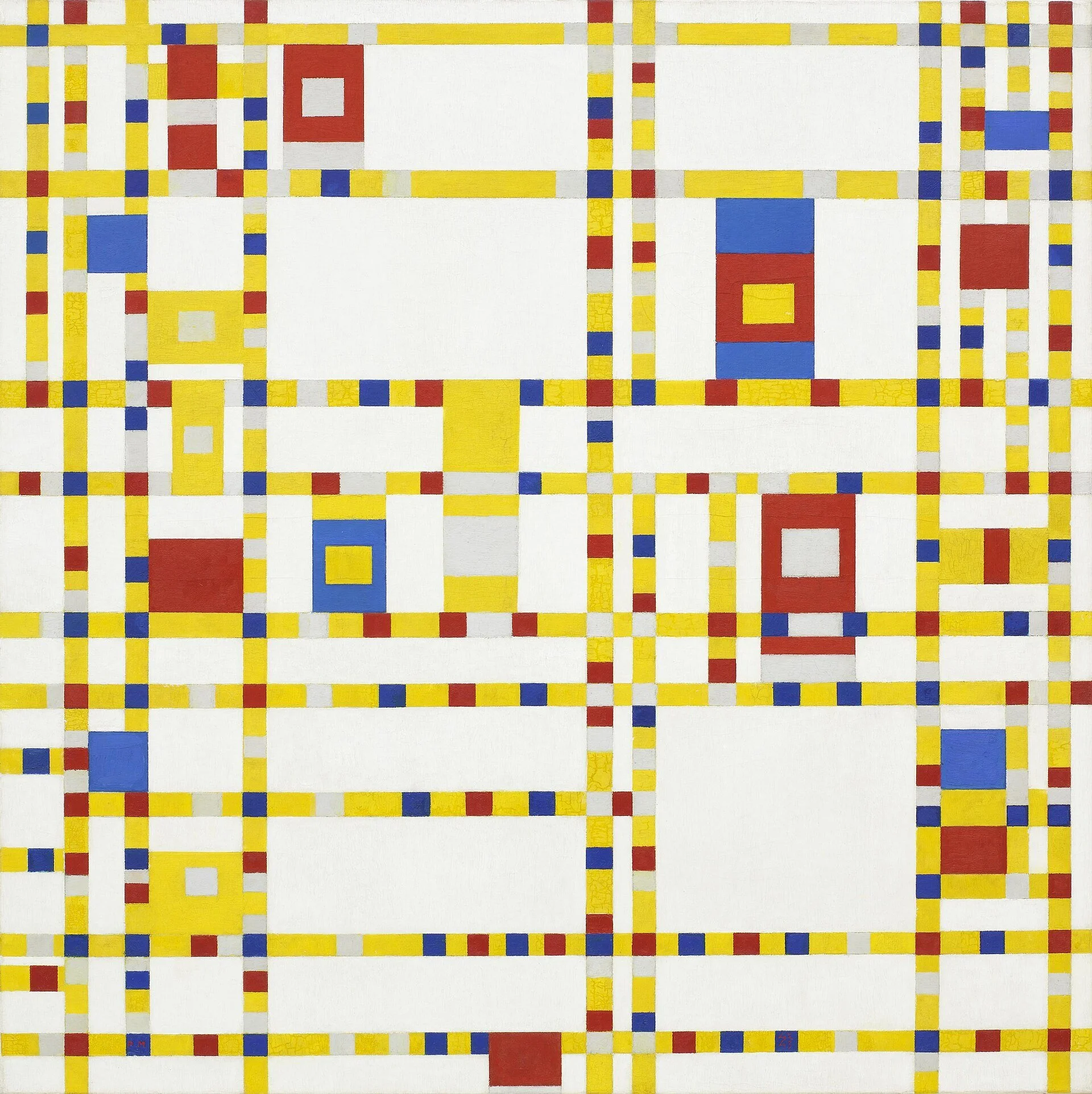
Piet Mondrian, Broadway Boogie Woogie, 1942–43
Part 5: Color as Interaction
Johannes Itten
Can color be studied, tested and experienced?
Bauhaus, 1919–1923
Itten approached color as something that could be explored through observation and experimentation.
Key Concepts
Color Relativity
Contrast
Harmony
Interaction
Color Relationships
Perception
Experimentation
Seven Color Contrasts
Hue
Light–Dark
Warm–Cool
Complementary
Simultaneous
Saturation
Quantity
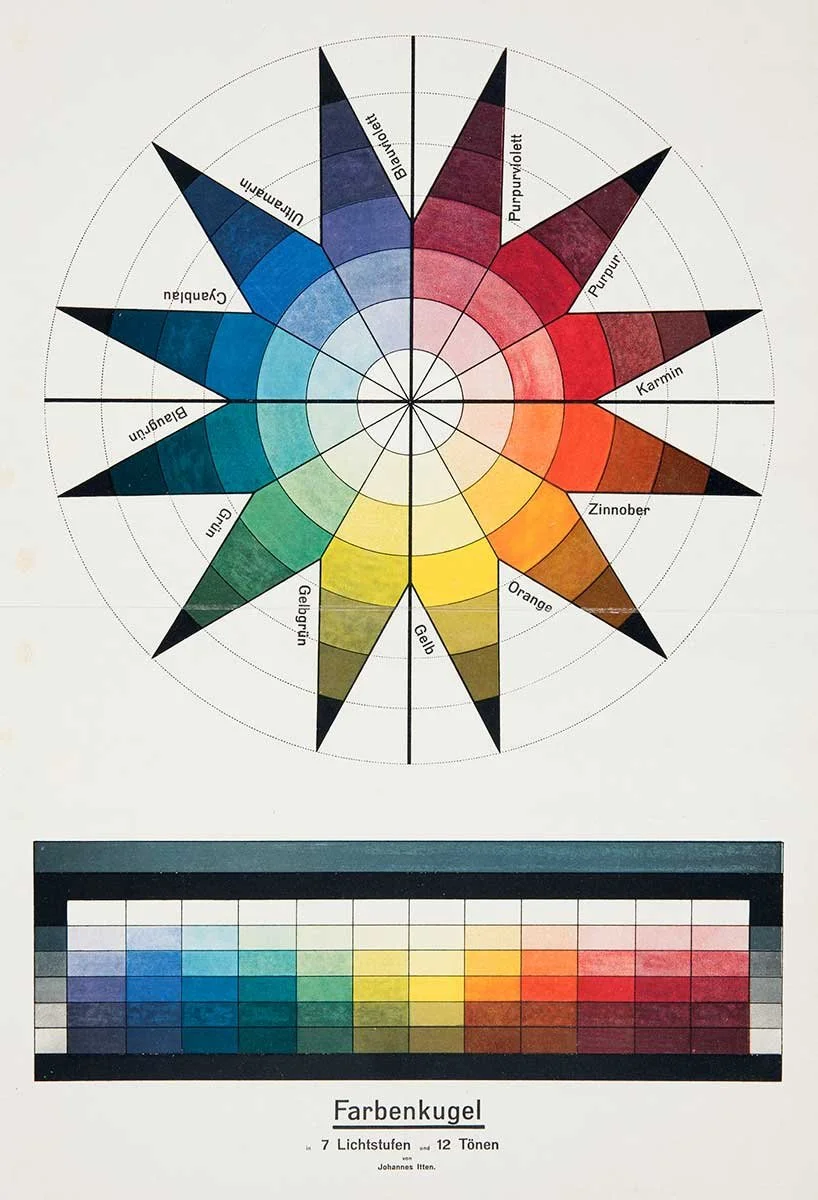
Johannes Itten, Color Star
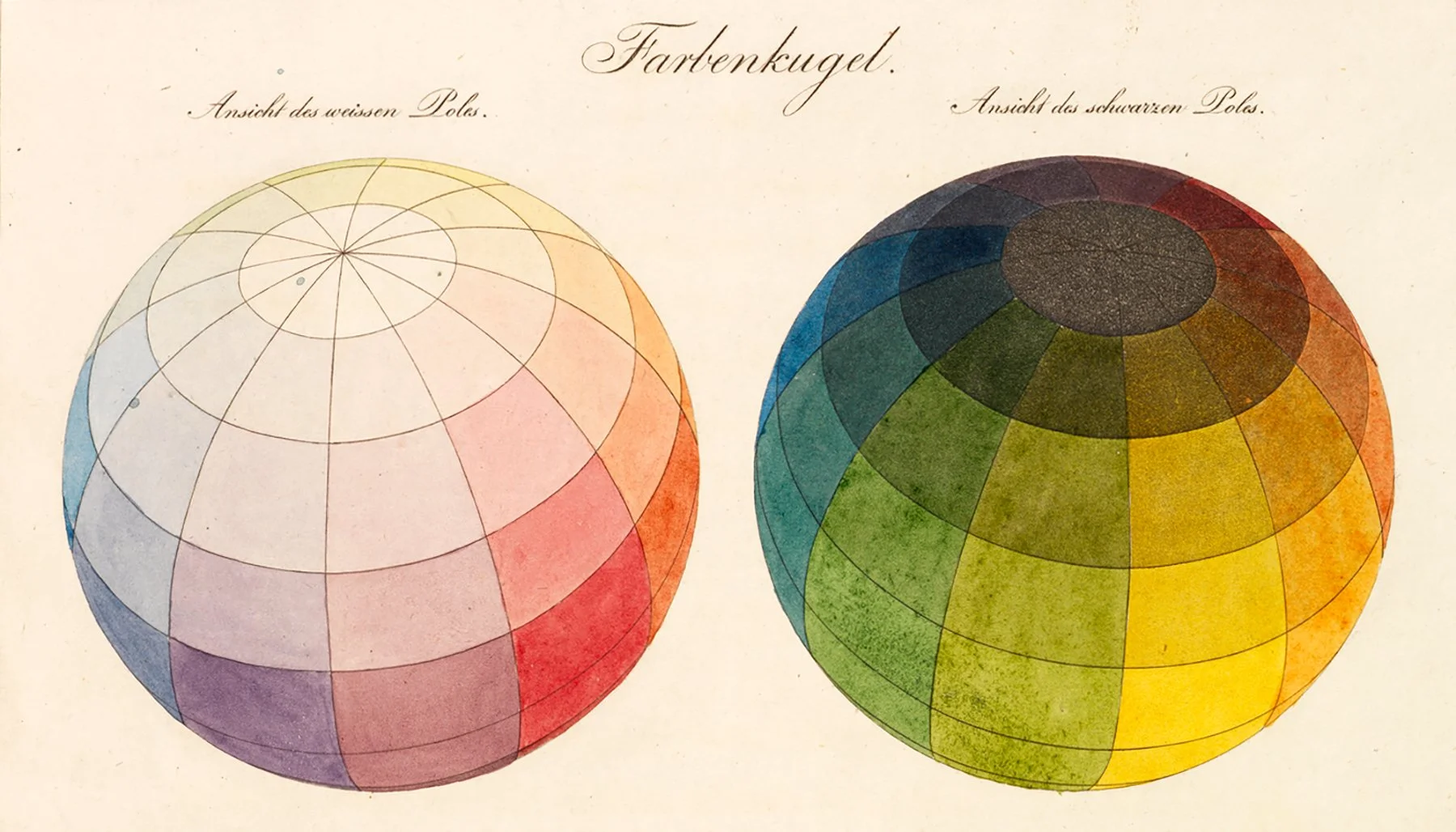
Johannes Itten, Color Sphere
Part 6: Color as Experience
Mark Rothko
What if color itself becomes the subject?
Works
No. 14
Orange and Yellow
No. 61 (Rust and Blue)
Untitled
Key Concepts
Color Field
Scale
Atmosphere
Immersion
Emotion
Silence
Spirituality
Color as Experience
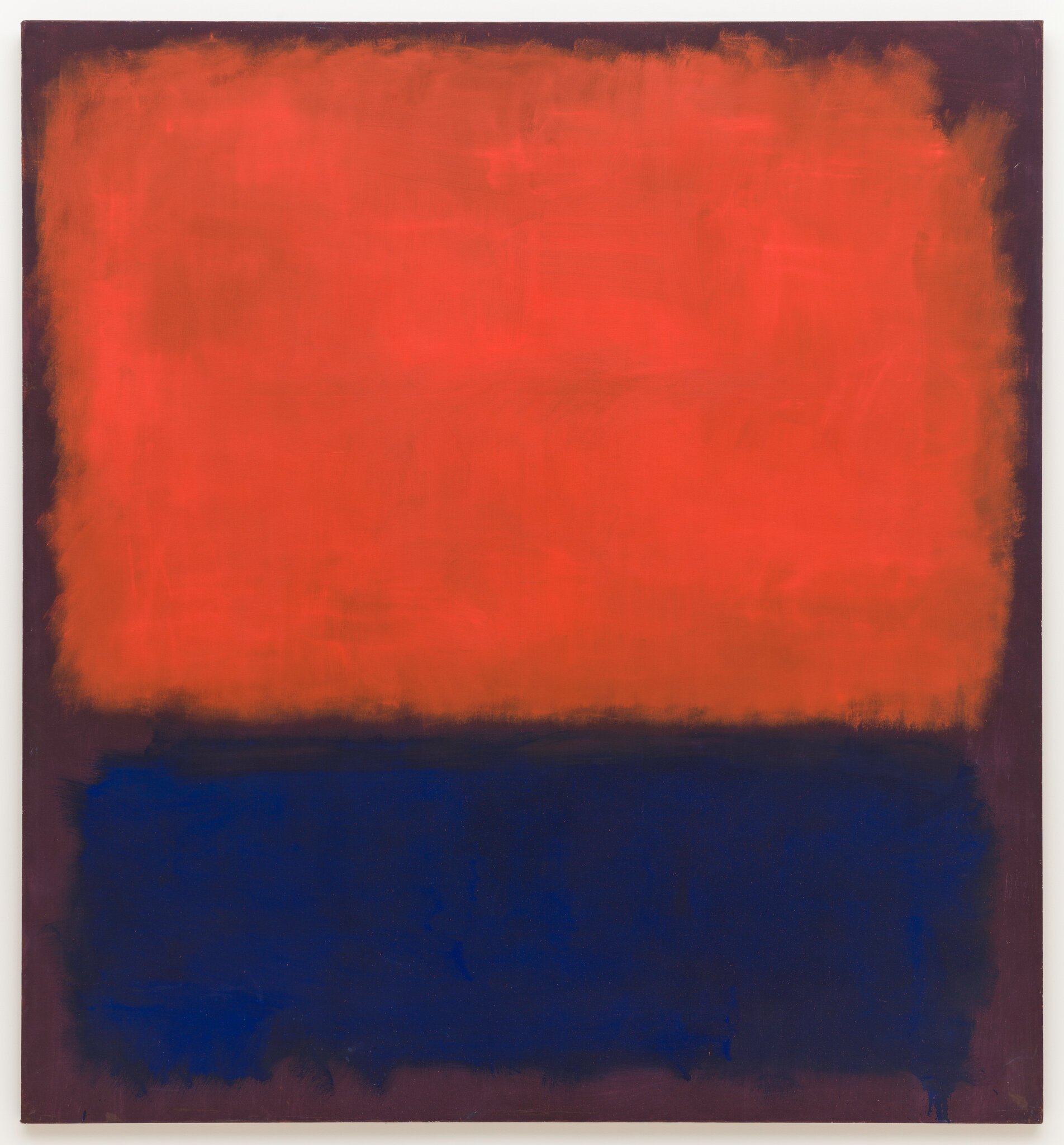
Mark Rothko, No. 14, 1960
Part 7: Simplifying color
Pop Art
Color returns to recognizable images
Pop Art
Principle Artists
Andy Warhol
Roy Lichtenstein
Jasper Johns
Yayoi Kusama
Key Concepts
Repetition
Mass Production
Popular Culture
Celebrity
Advertising
Seriality
Flat Color
Mechanical Reproduction
Color as Commodity
Ben-Day Dots
Primary Colors
Comic Books
Mechanical Reproduction
Commercial Imagery
Appropriation
Symbol
Recognition
Representation
Repetition
Pattern
Dots
Infinity
Immersion
Optical Experience
Obsessive Mark-Making
Color as Environment
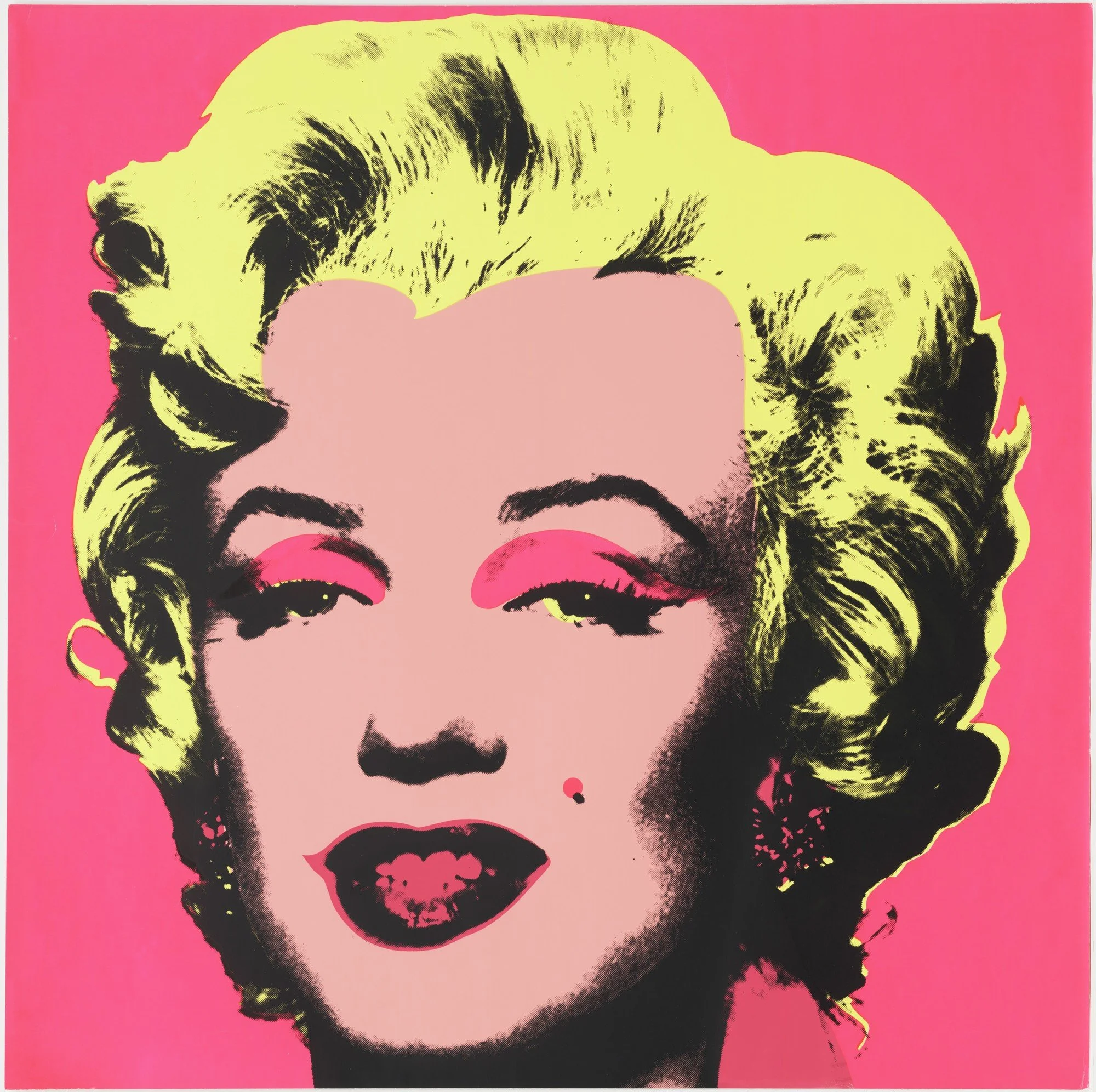
Andy Warhol, Marilyn Monroe, 1962
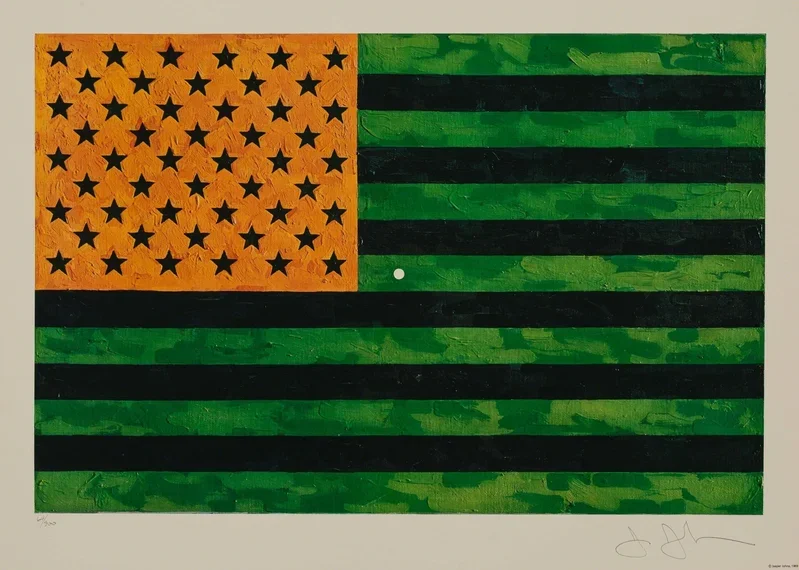
Jasper Johns, Flag, 1969
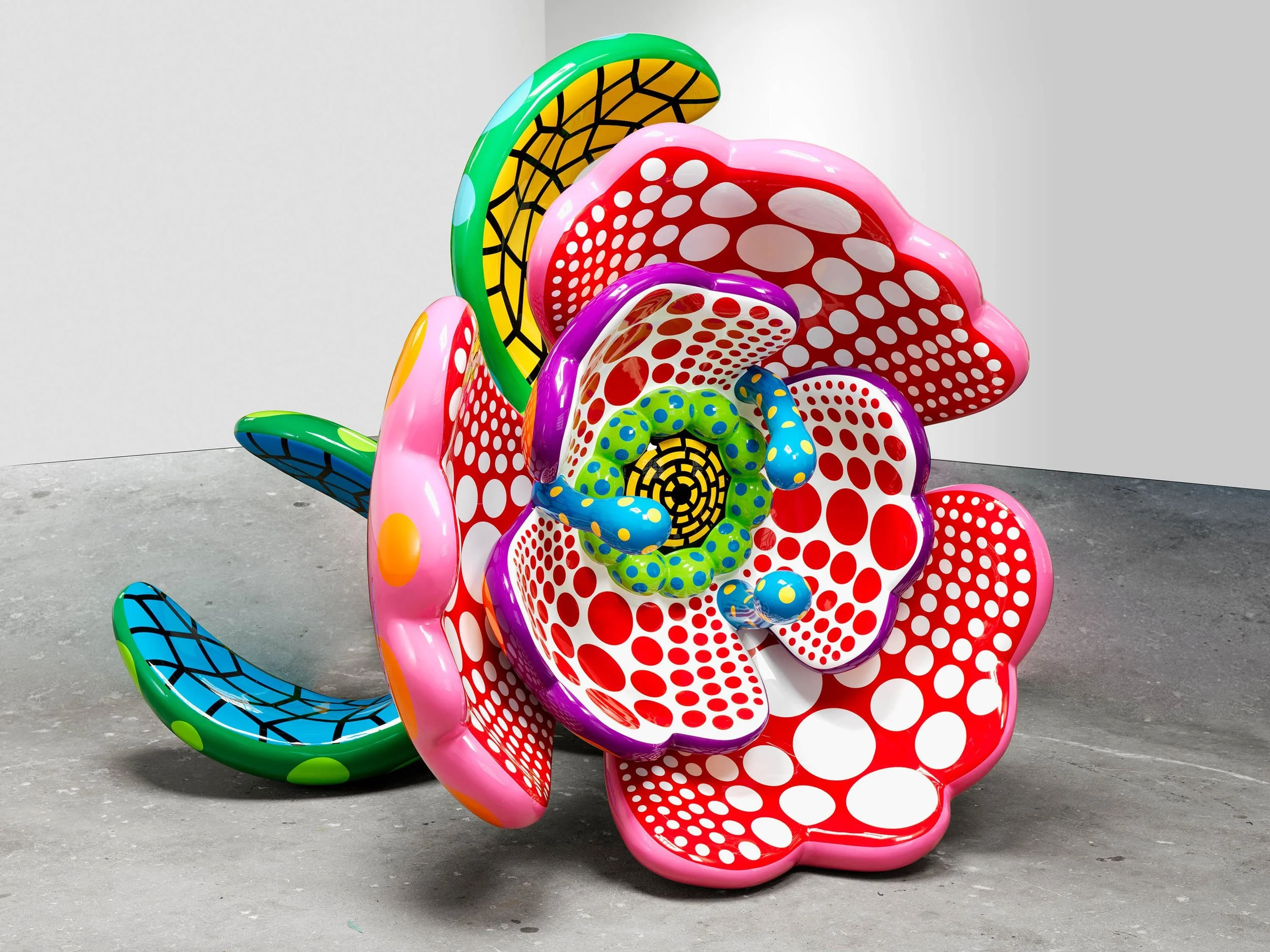
Yayoi Kusama, I Spend Each Day Embracing Flowers (2023)
Part 8: From Light to Stylization
Principle Artists
Joaquín Sorolla ·
Maxfield Parrish ·
Coles Phillips ·
Eyvind Earle
Key Concepts
Light and Luminosity
Saturated Color
Optical Color
Layering
Limited Palette
Flat Color
Silhouette
Simplification
Stylization
Color as Atmosphere
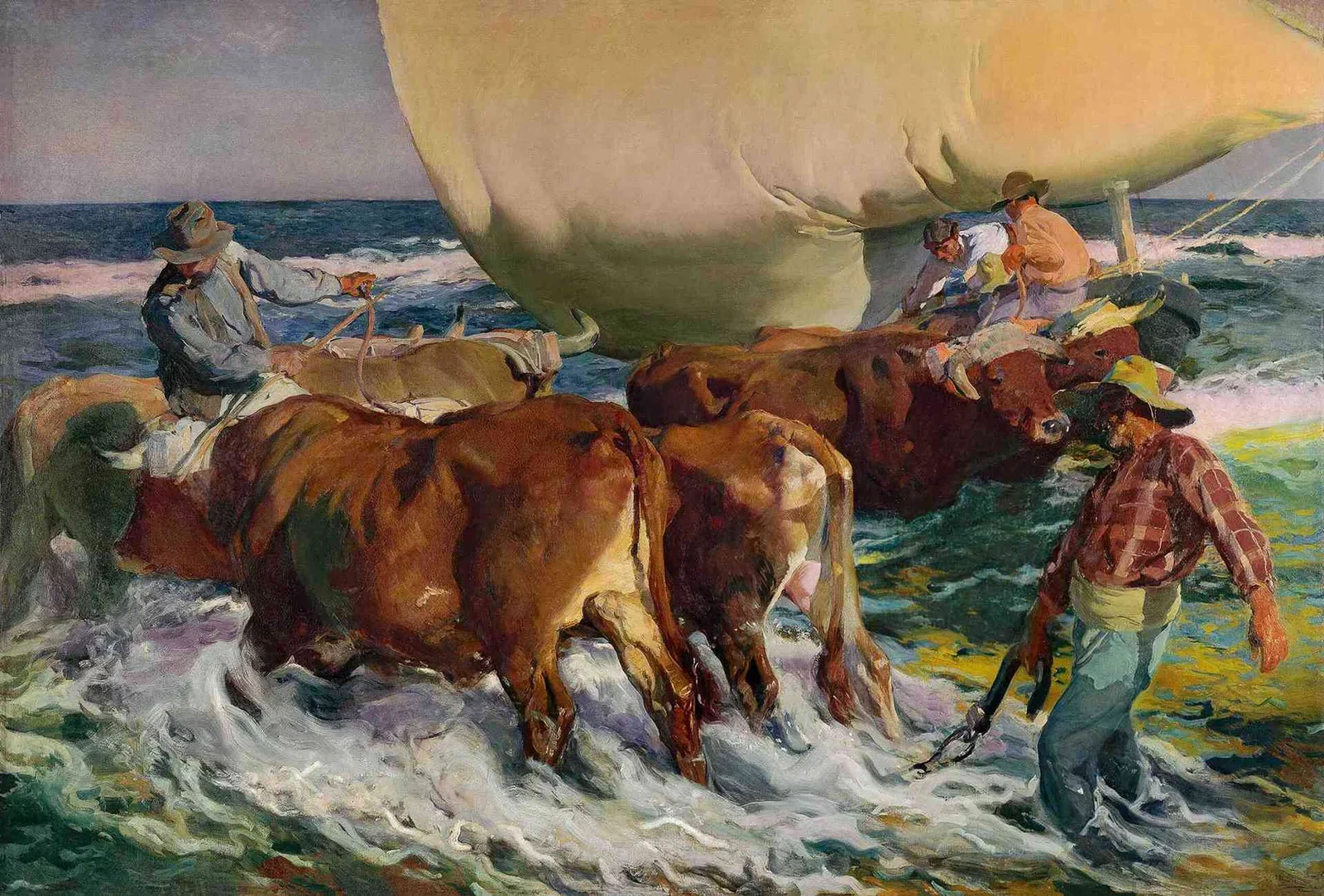
Joaquin Sorolla, Beaching the Boat (Afternoon Light), 1903
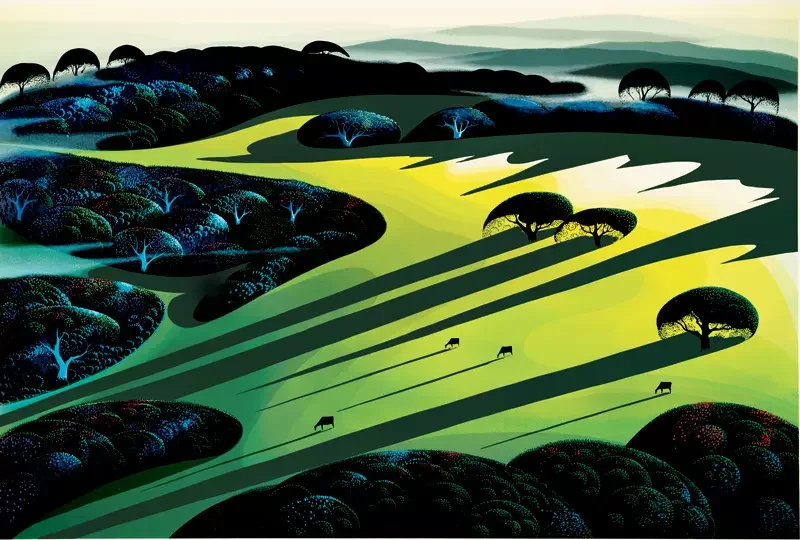
Eyvind Earle, Silent Meadow, 1990
Part 8: From Image to Experience
Cinema · Psychedelic Posters · Advertising
Works
The Two Fridas
Self-Portrait with Thorn Necklace
The Broken Column
Roots
Key Concepts
High Saturation
Complementary Contrast
Optical Vibration
Flat Color
Color Grading
Mood
Symbolism
Brand Identity
Color as Communication
Color as Experience
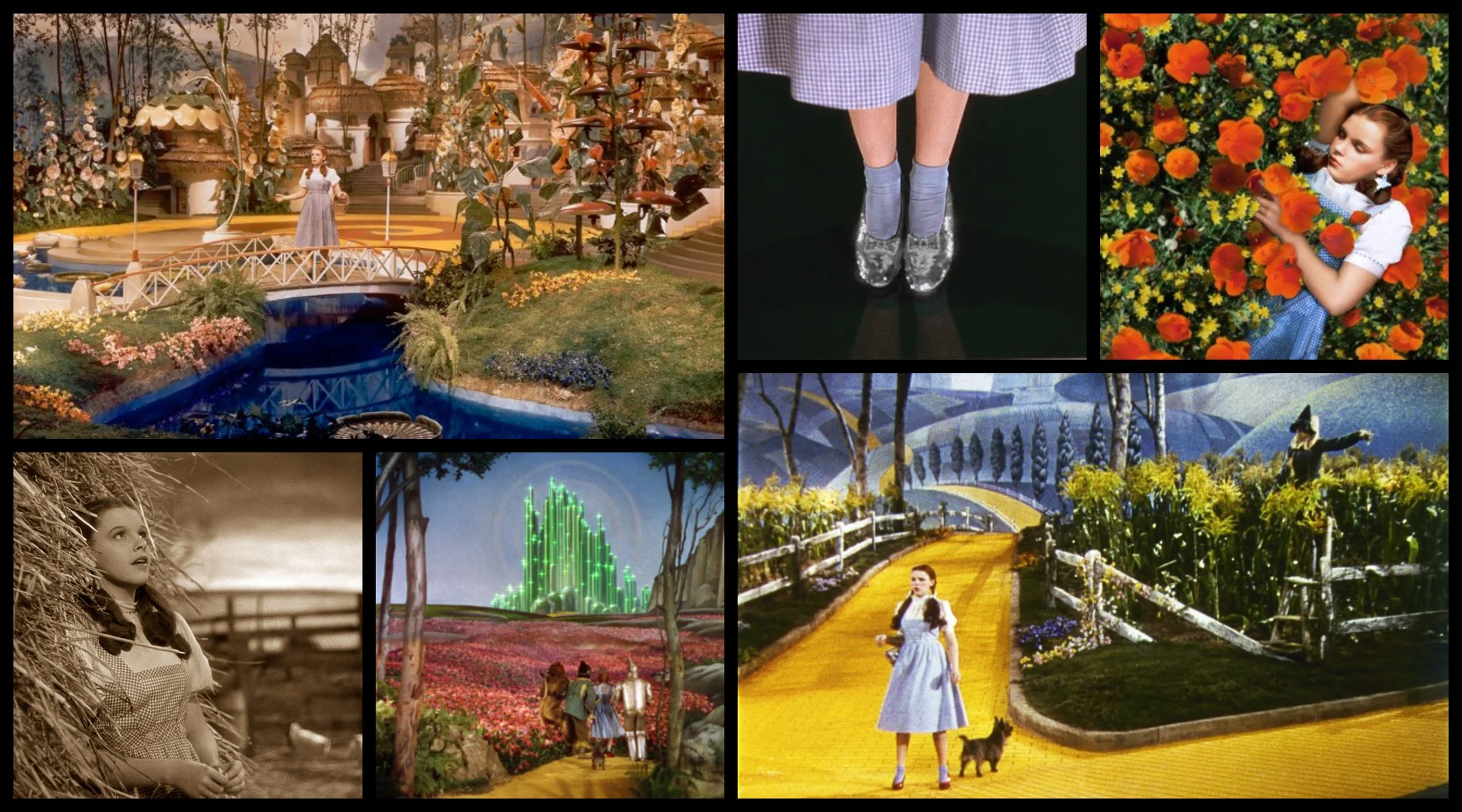
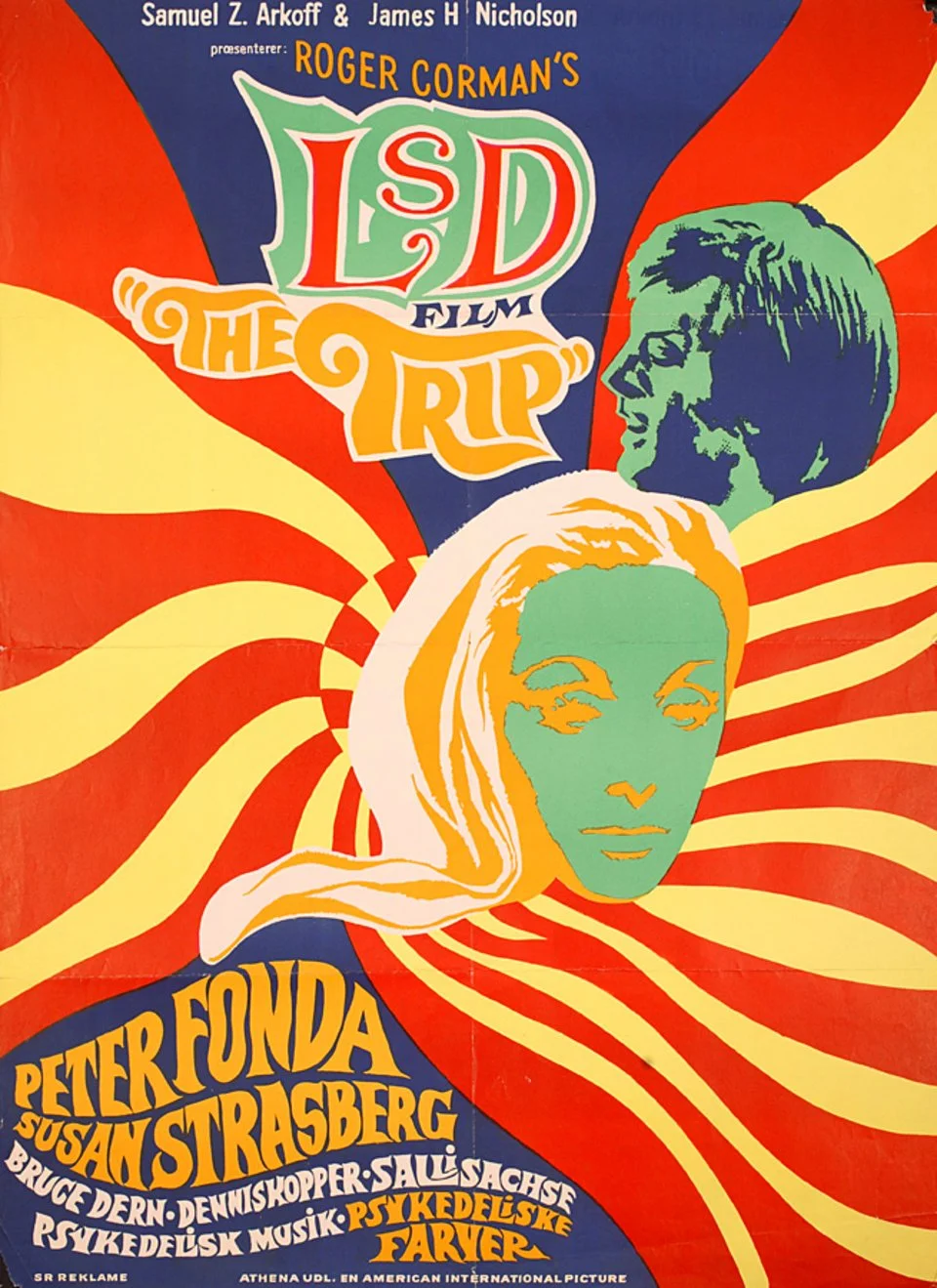
Exercises: Subjective/Emotional Color studies of Apple and Sunset