Color Explorations Notes
JULY 13 - AUGUST 17; Every Monday
COURSE NOTES
Jump to:
CLASS 1: Where did color come from?
Color as material from the earth.
CLASS 2: Can color imitate nature?
The Renaissance search for realism
CLASS 3: Can darkness be beautiful?
Baroque color and the drama of light
CLASS 4:What if color is light itself?
Romanticism, Japanese prints, Impressionism
CLASS 5: What if color expresses emotion instead of reality?
Van Gogh, Gauguin, Munch, Fauves
CLASS 6: CLASS 6: What if color becomes the subject?
Abstraction to pop art/ pop culture
CLASS 5: What if Color Expresses Emotion Instead of Reality?
Van Gogh, Gauguin, Munch, Fauves, Frida Kahlo
Part 1: Beyond Impressionism
Color as Perception and Science
Key Concepts
Pointillism
Divisionism
Optical Mixing
Simultaneous Contrast
Scientific Color Theory
Visual Perception
Harmony
Georges Seurat
Works
A Sunday Afternoon on the Island of La Grande Jatte
Bathers at Asnières
The Circus
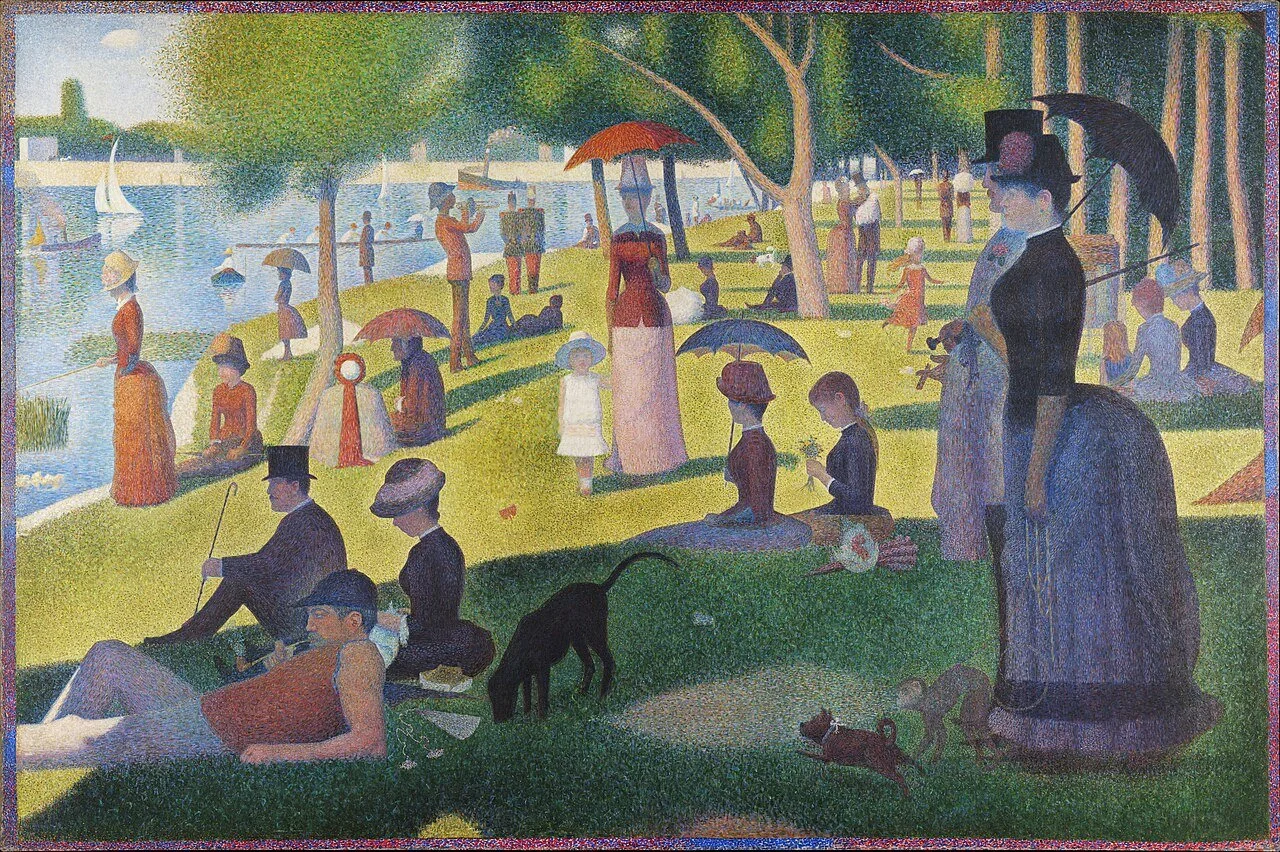
Georges Seurat, A Sunday Afternoon on the Island of La Grande Jatte
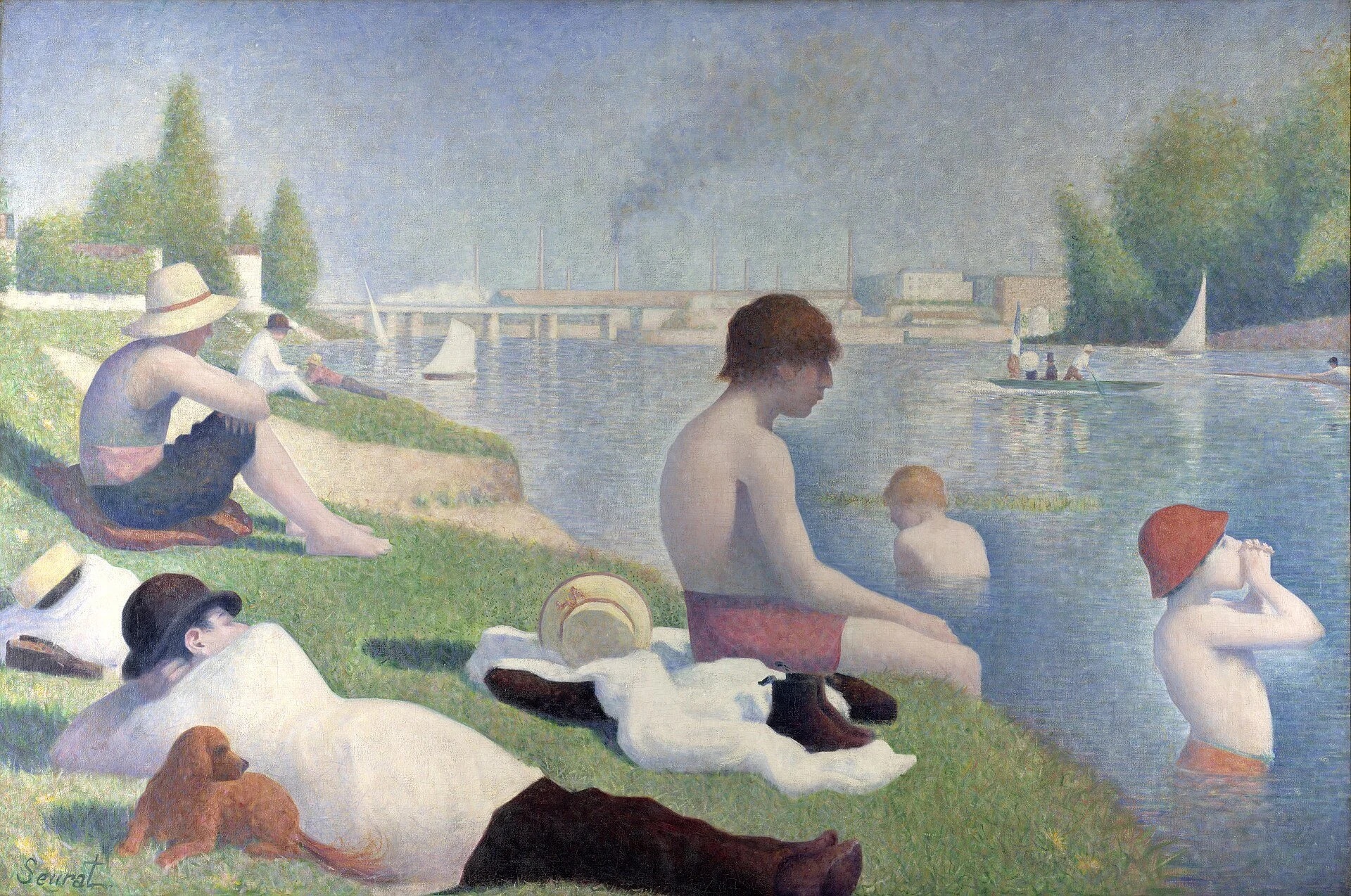
Georges Seurat, Bathers at Asnières
Part 2: Color as Emotion
Can color express the inner life of the artist?
Vincent Van Gogh
Works
The Night Café
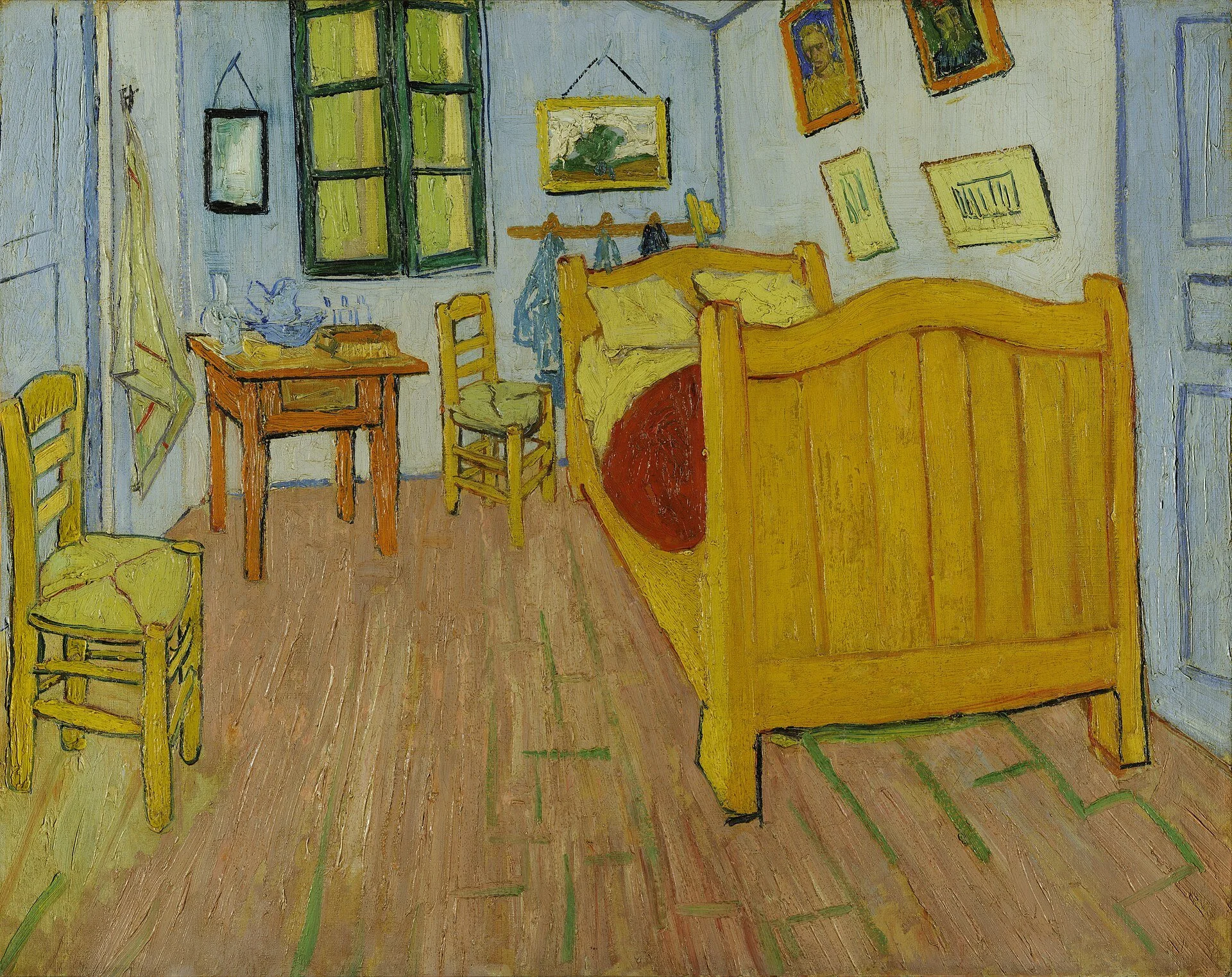
The Bedroom
Starry Night
Self Portrati
Sunflowers
Vincent Van Gogh, The Bedroom, 1888
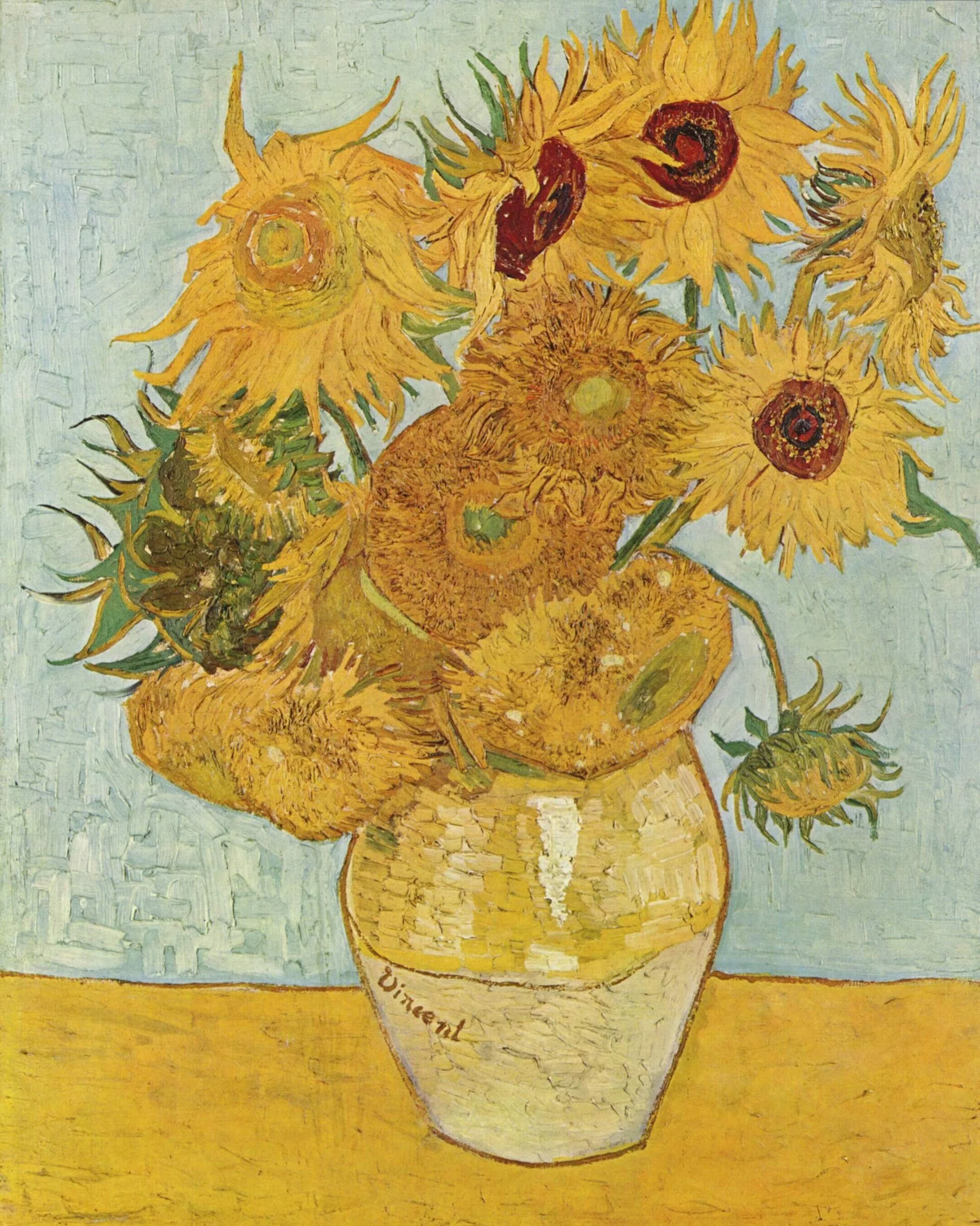
Vincent Van Gogh, Sunflowers, 1827
Concepts
Expressive Color
Complementary Contrast
Visible Brushwork
Impasto
Movement
Rhythm
Emotional Intensity
Color Temperature
Part 3: Color as Symbol and Memory
Gauguin and the Nabis
Can color represent ideas rather than appearances?
Paul Gauguin
Works
Vision After the Sermon
The Yellow Christ
Where Do We Come From? What Are We? Where Are We Going?
The Nabis
Principle Artists
Pierre Bonnard
Édouard Vuillard
Maurice Denis
Félix Vallotton
Key Concepts
Symbolic Color
Color as Memory
Interior Life
Pattern
Flatness
Japanese Prints
Psychological Atmosphere
Decorative Composition
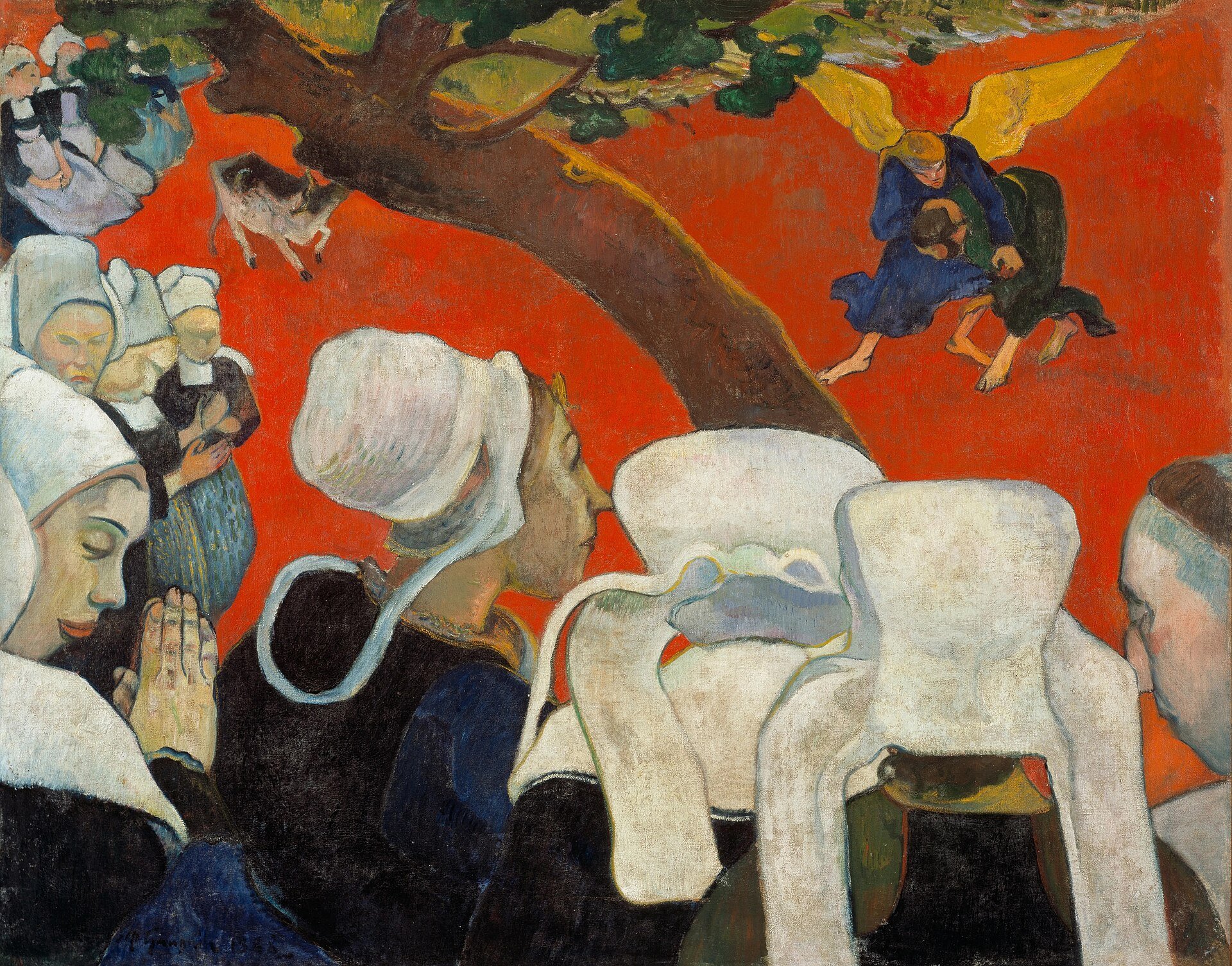
Paul Gauguin, The Vision after the Sermon, 1888
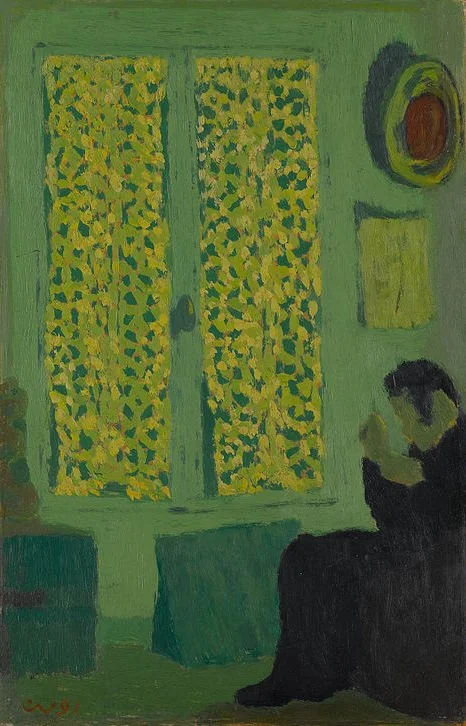
Edouard Vuillard, The Green Interior, 1891
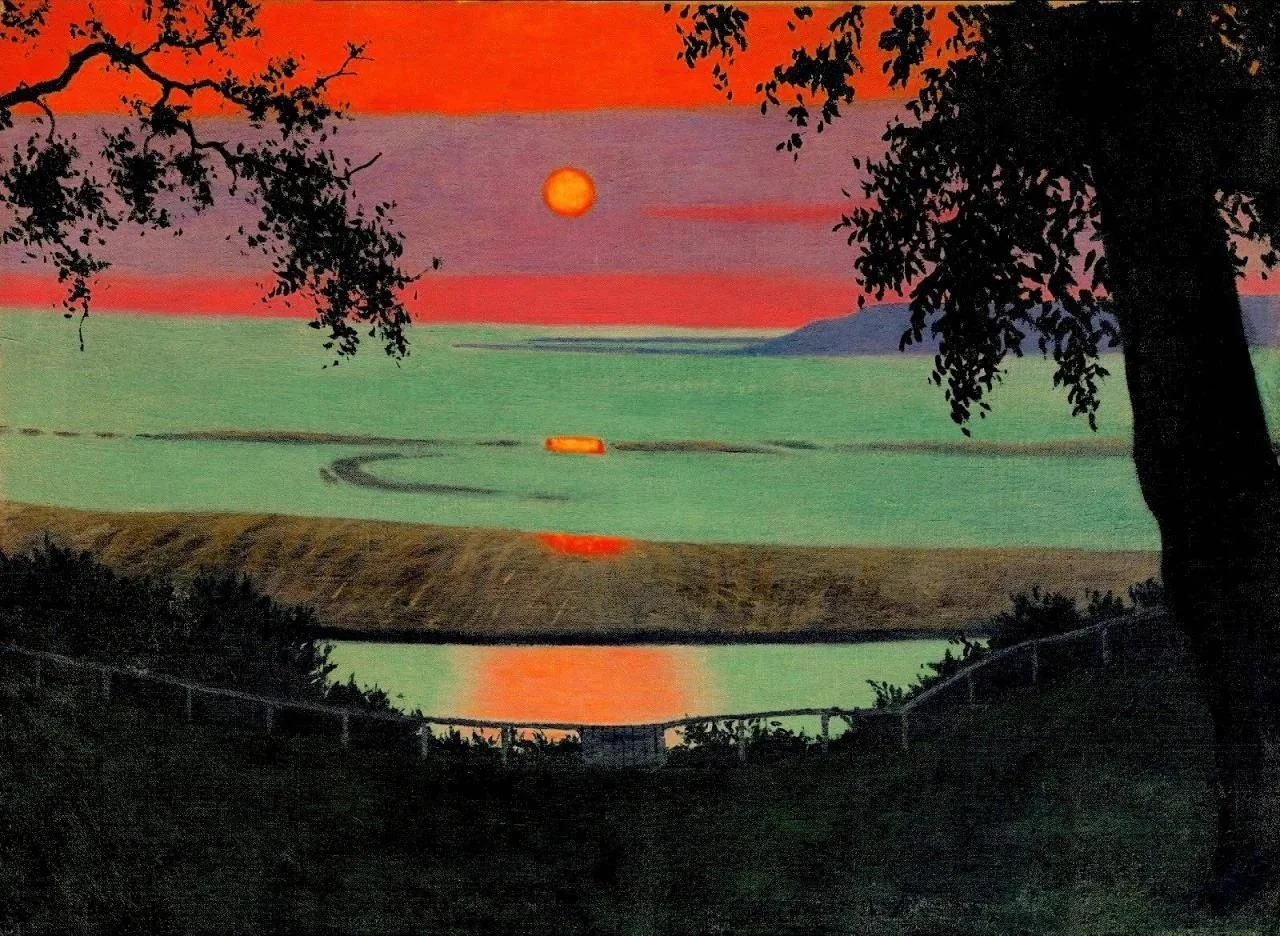
Felix Vallotton, Sunset, 1918
Part 4: Pablo Picasso
Blue Period
Monochromatic Palette
Blue-Green Harmony
Poverty
Melancholy
Limited Palette
Rose Period
Warm Palette
Muted Earth Colors
Human Tenderness
Circus Performers
Transition
Cubism
form
structure
space
multiple viewpoints
Guernica
Black/WhiteGray
Newspaper
Violence
Universal Symbolism
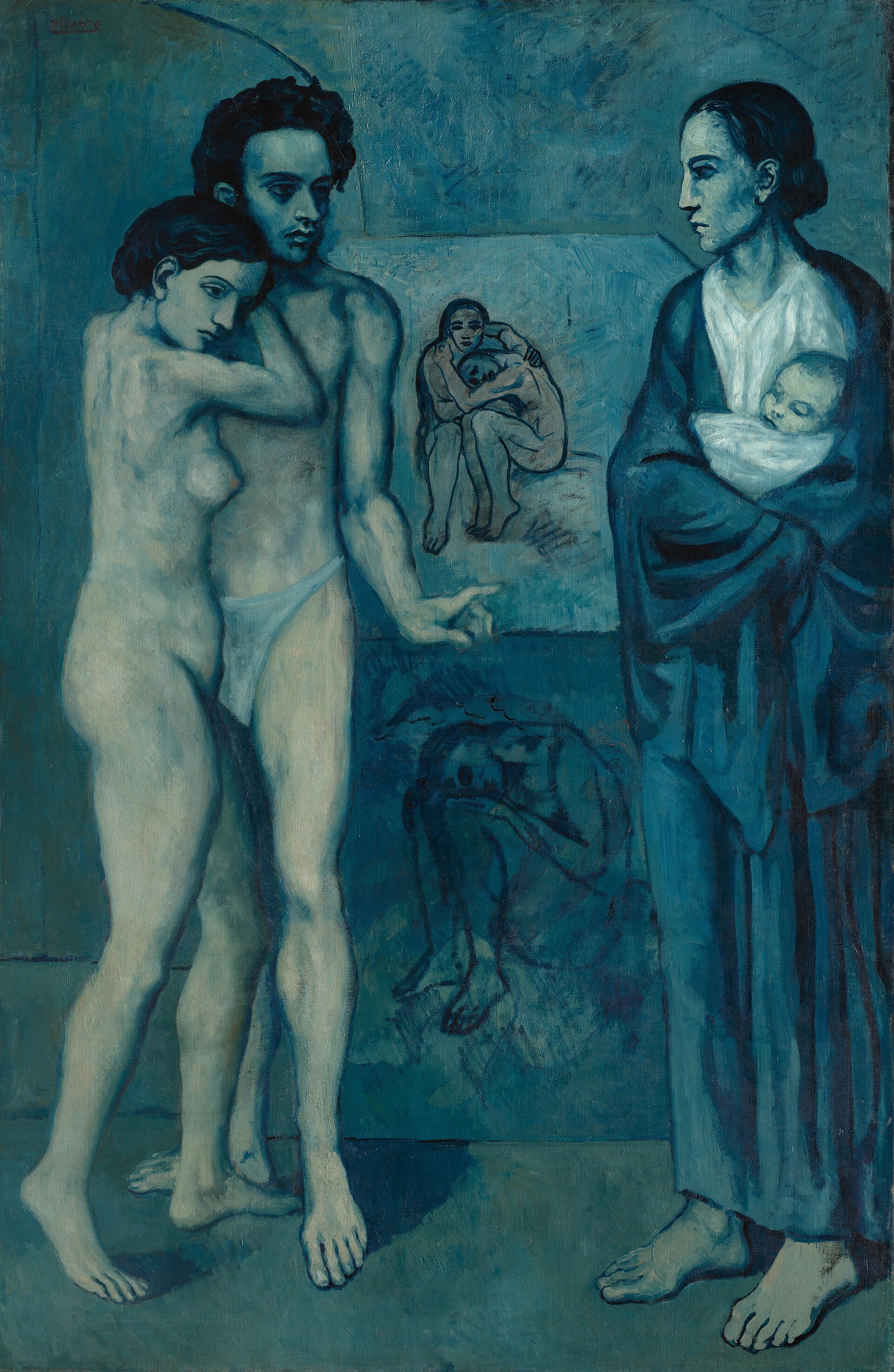
Pablo Picasso, La Vie, 1903

Pablo Picasso, Acrobat and Young Harlequin, 1905

Pablo Picasso, Woman with a Guitar, 1911
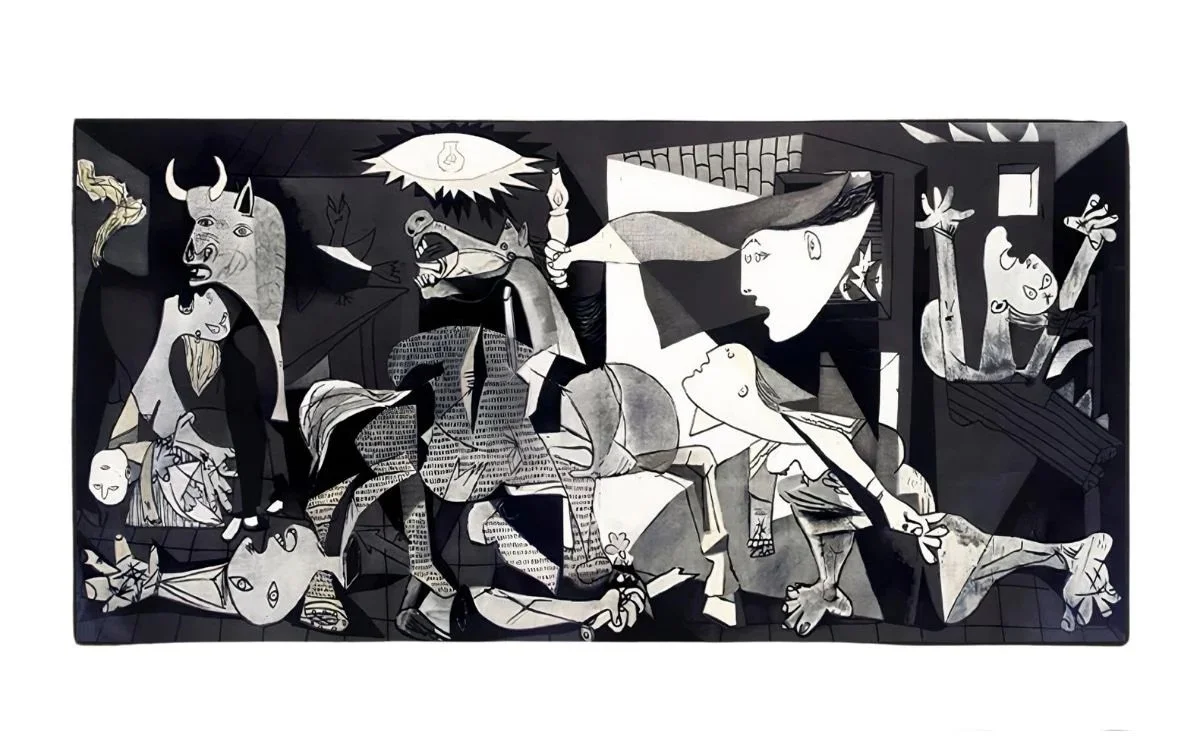
Pablo Picasso, Guernica, 1937
Part 5: Color as Psychological Experience
Edvard Munch
Key Works
The Scream
Madonna
The Dance of Life
Anxiety
The Sick Child
Key Concepts
Distortion
Emotional Landscape
Psychological Color
Anxiety
Isolation
Symbolism
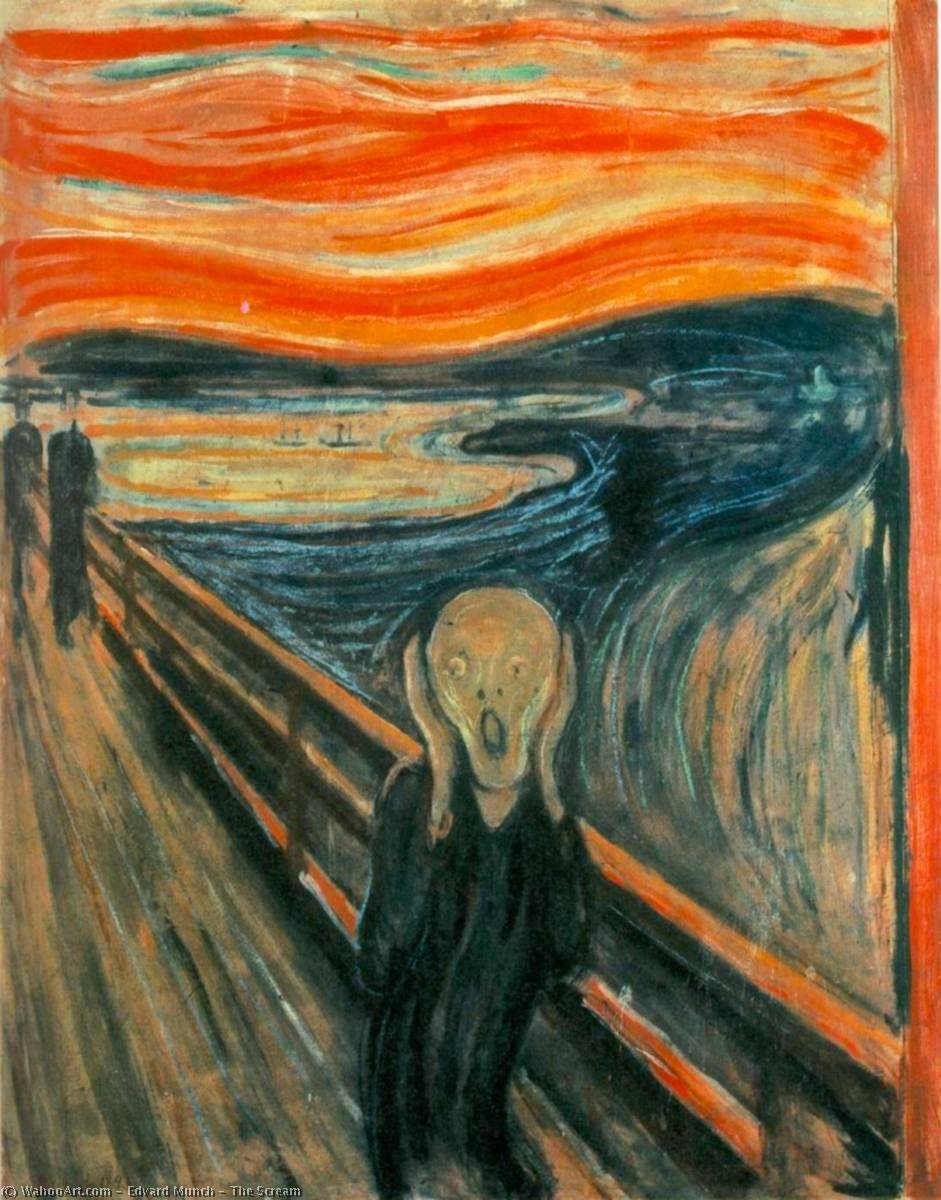
Edvard Munch, The Scream, 1893
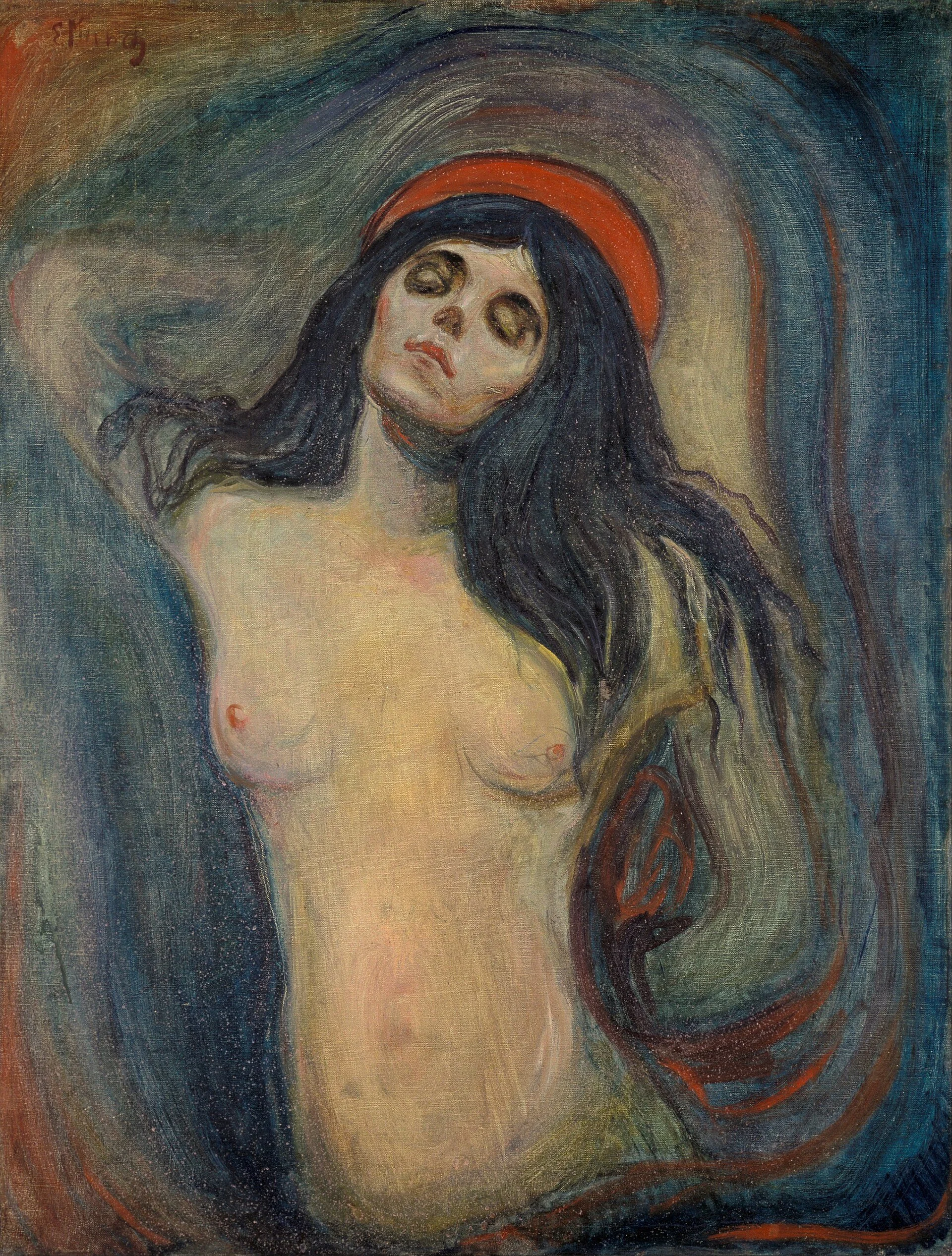
Edvard Munch, Madonna, 1894
Part 6: Color as Sensory Experience
Georgia O’Keeffe
Key Works
The Sunset
Blue and Green Music
Lake George
Key Concepts
Color as sensory experience
Magnification as immersion
Simplification & concentration
Observation into abstraction
Color transforms perception
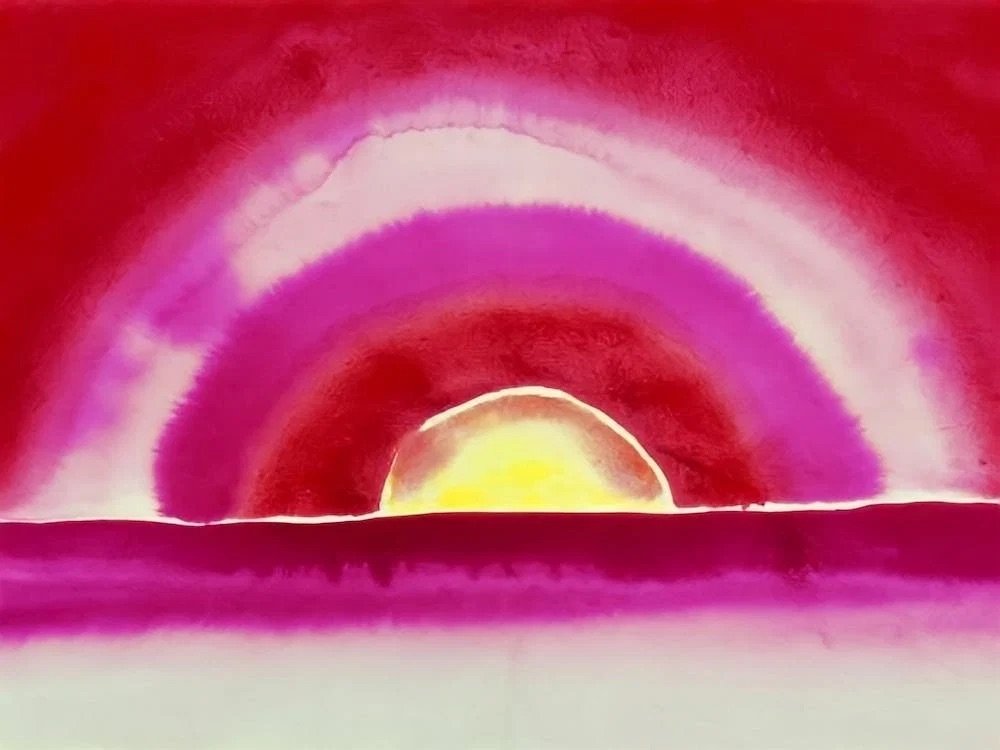
Georgia O’Keeffe, The Sunset, 1916
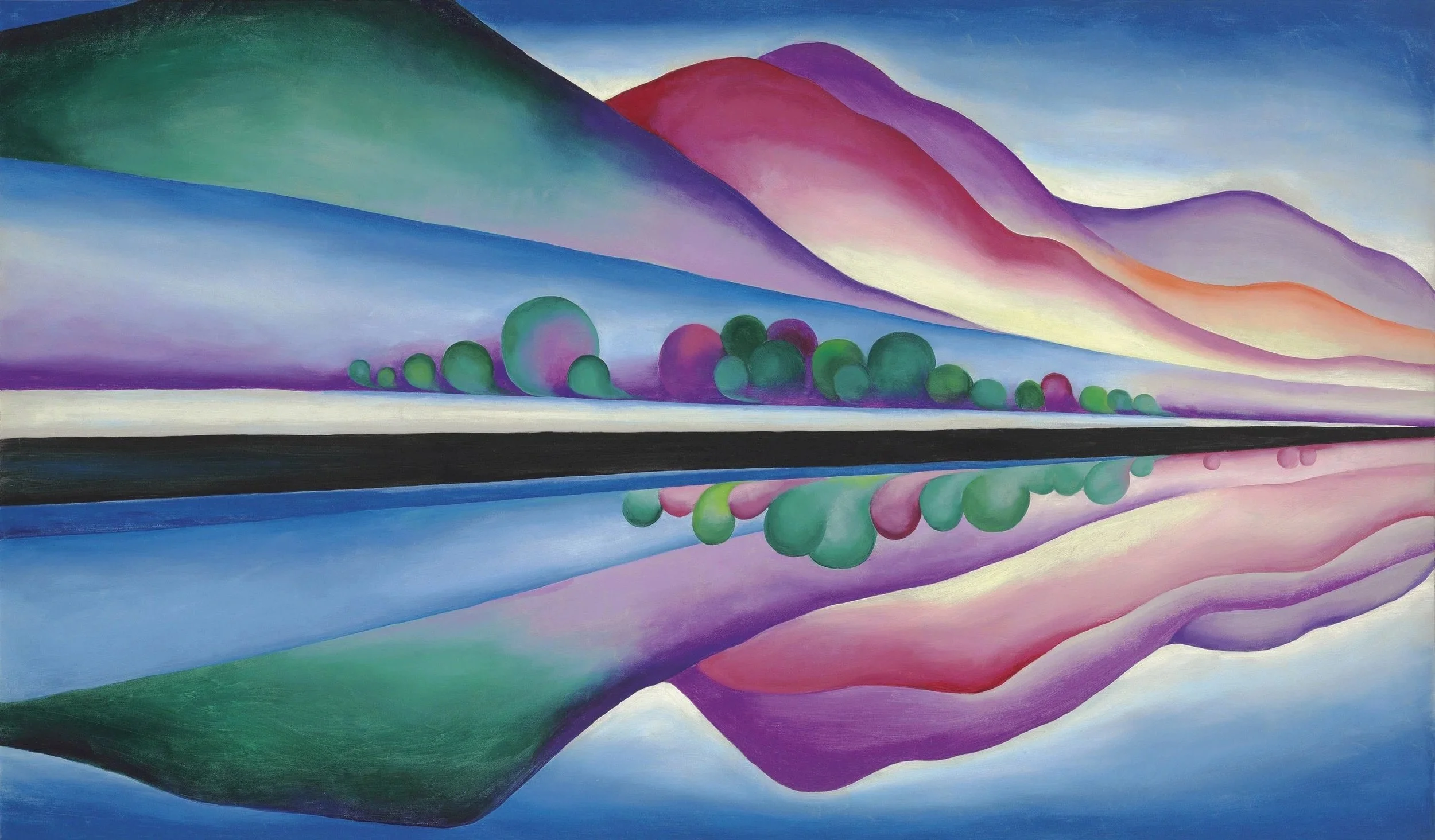
Georgia O’Keeffe, Lake George Reflection, 1921
Part 7: Color as Liberation
The Fauves
Artists
Henri Matisse
André Derain
Maurice de Vlaminck
Raoul Dufy
Key Concepts
Pure Color
High Saturation
Arbitrary Color
Simplification
Decorative Space
Complementary Contrast
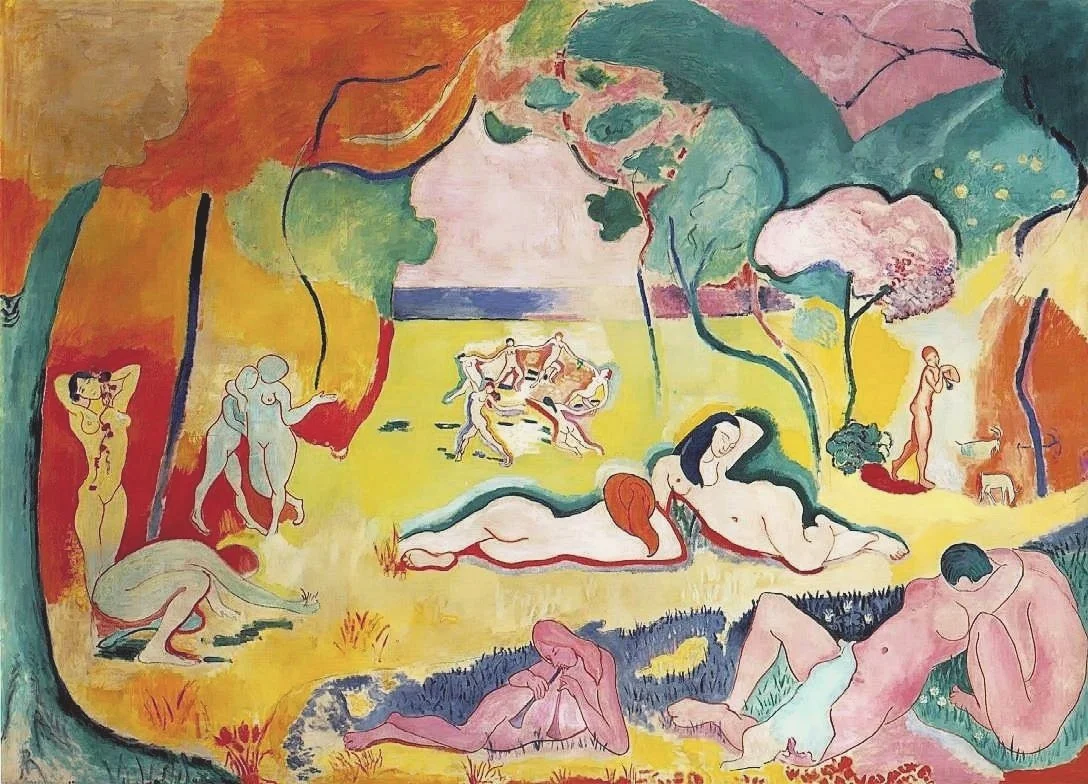
Henri Matisse, The Joy of Life, 1906
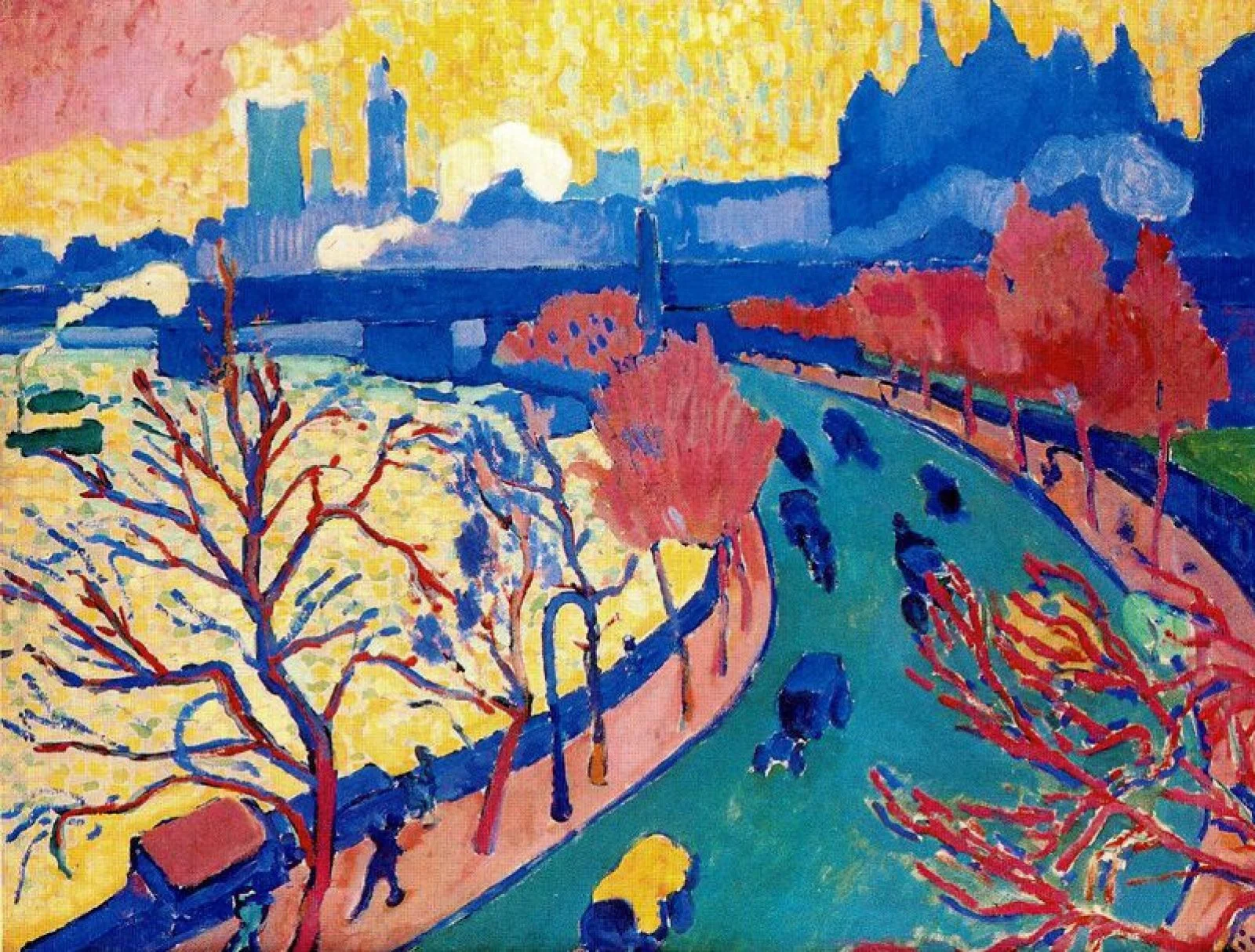
André Derain, Charing Cross Bridge, 1906
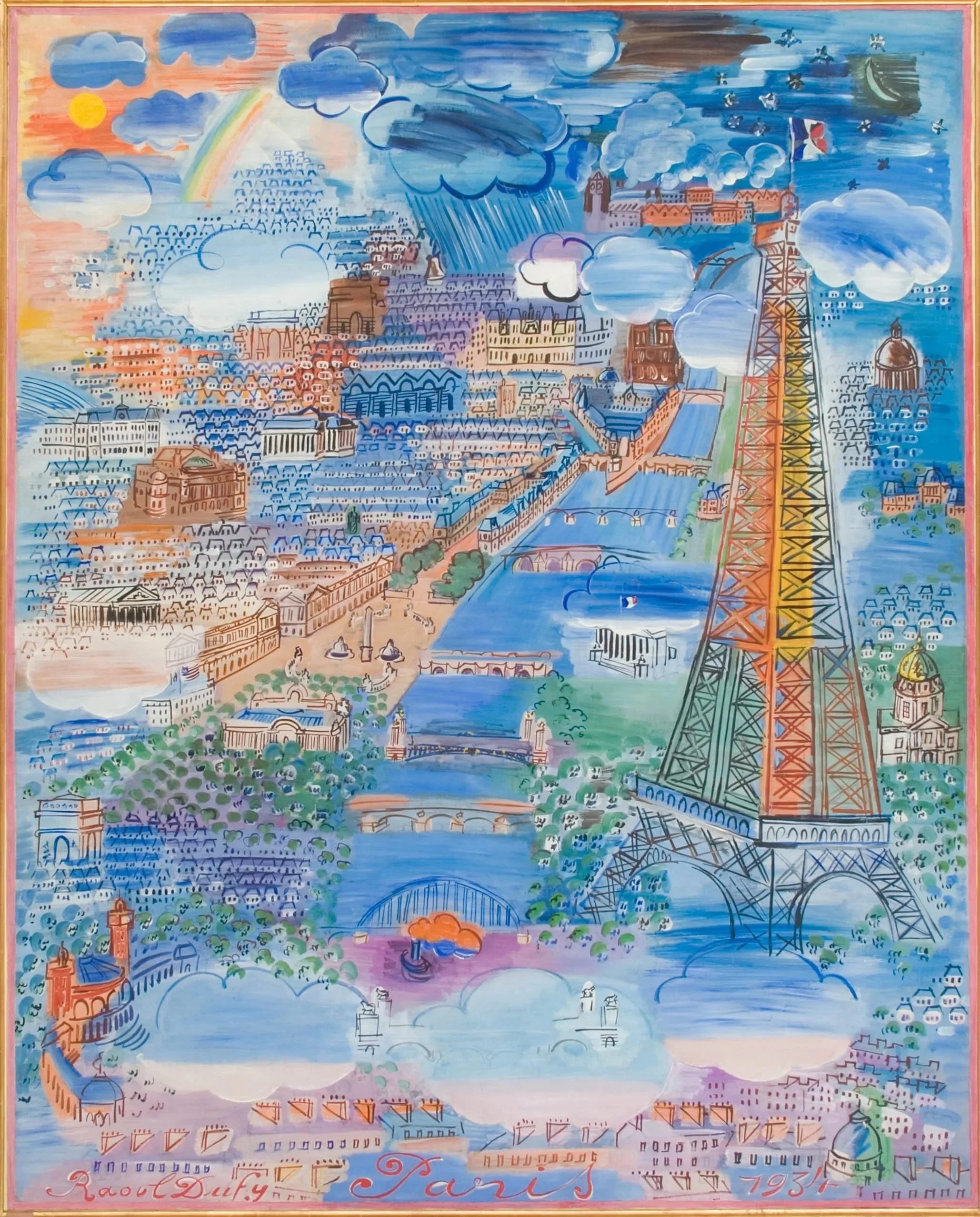
Raoul Dufy, Paris, 1937
Part 8: Color as Identity
Frida Kahlo (Mexico)
Works
The Two Fridas
Self-Portrait with Thorn Necklace
The Broken Column
Roots
Key Concepts
Pure Color
High Saturation
Arbitrary Color
Simplification
Decorative Space
Complementary Contrast
Amrita Sher-Gil (India)
Works
Three Girls
Bride's Toilet
South Indian Villagers Going to Market
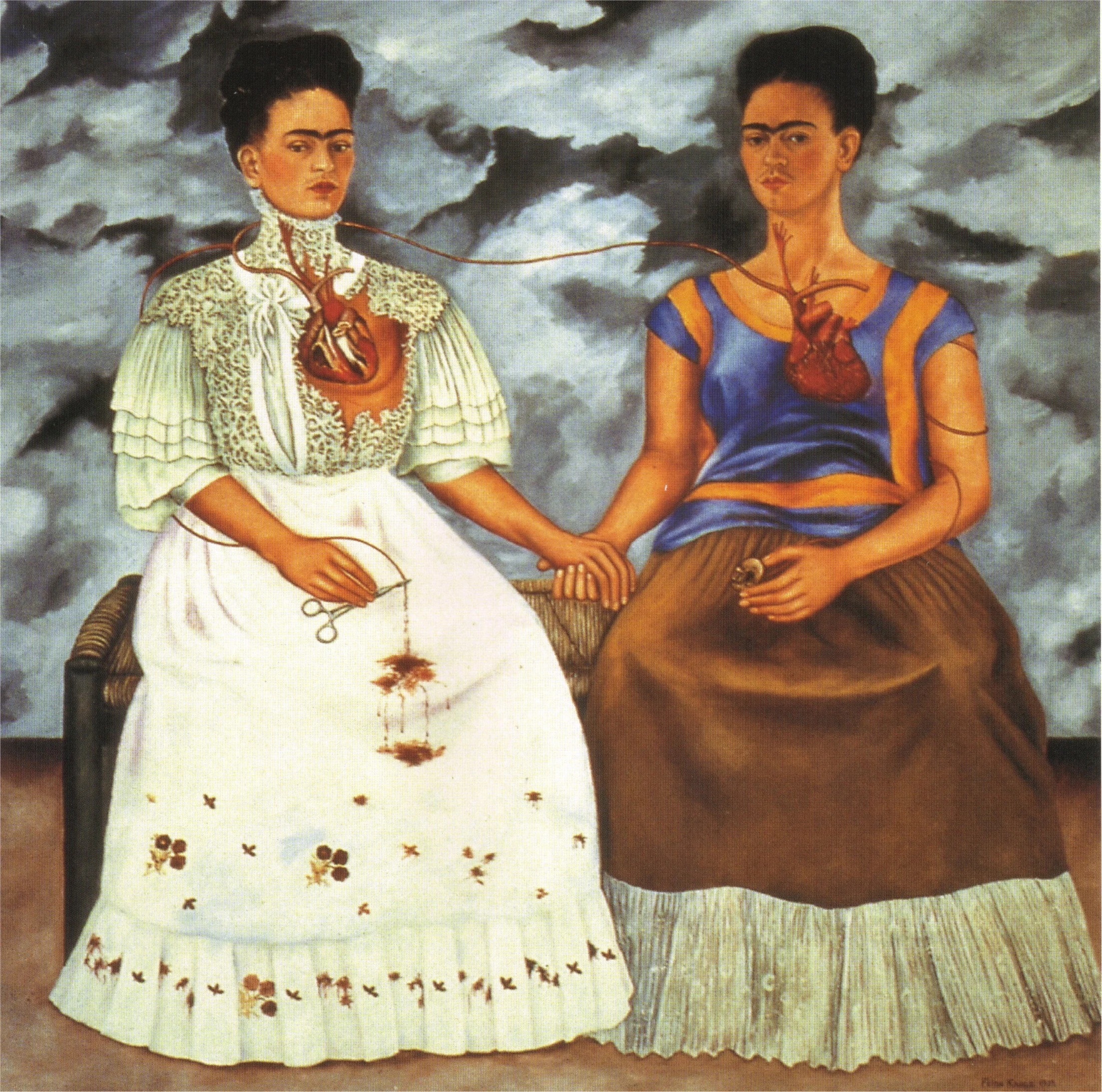
Frida Khalo, The Two Fridas, 1939
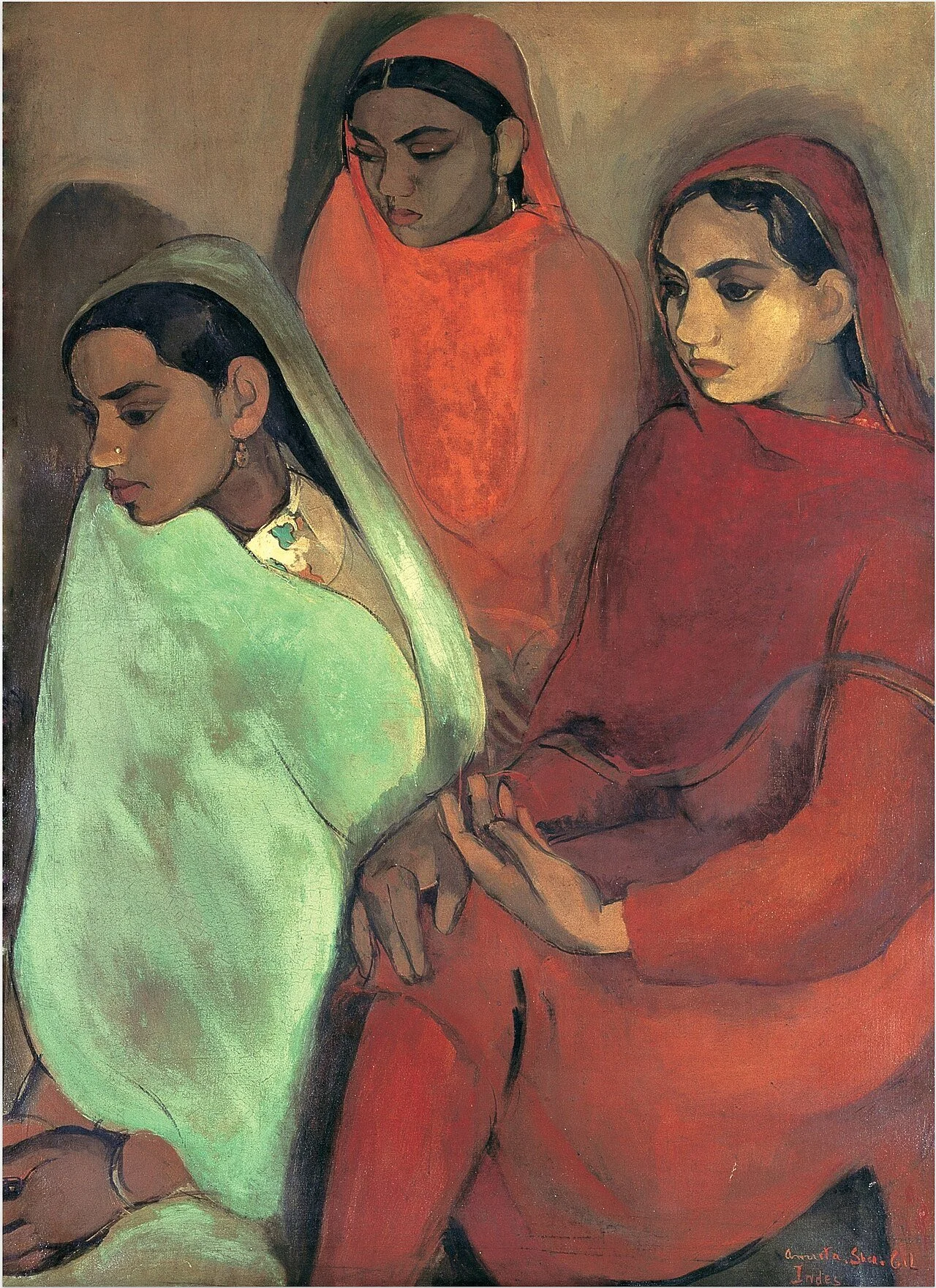
Amrita Sher-Gil, Three Girls, 1935
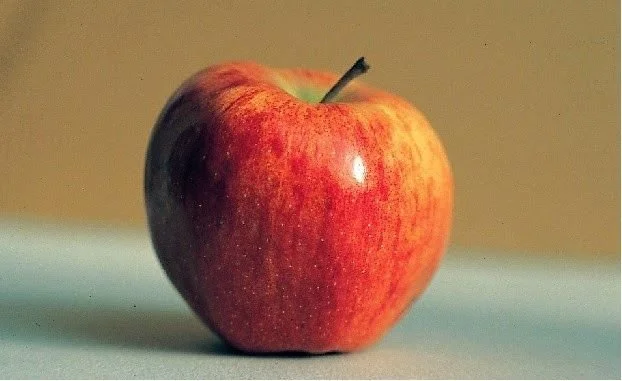
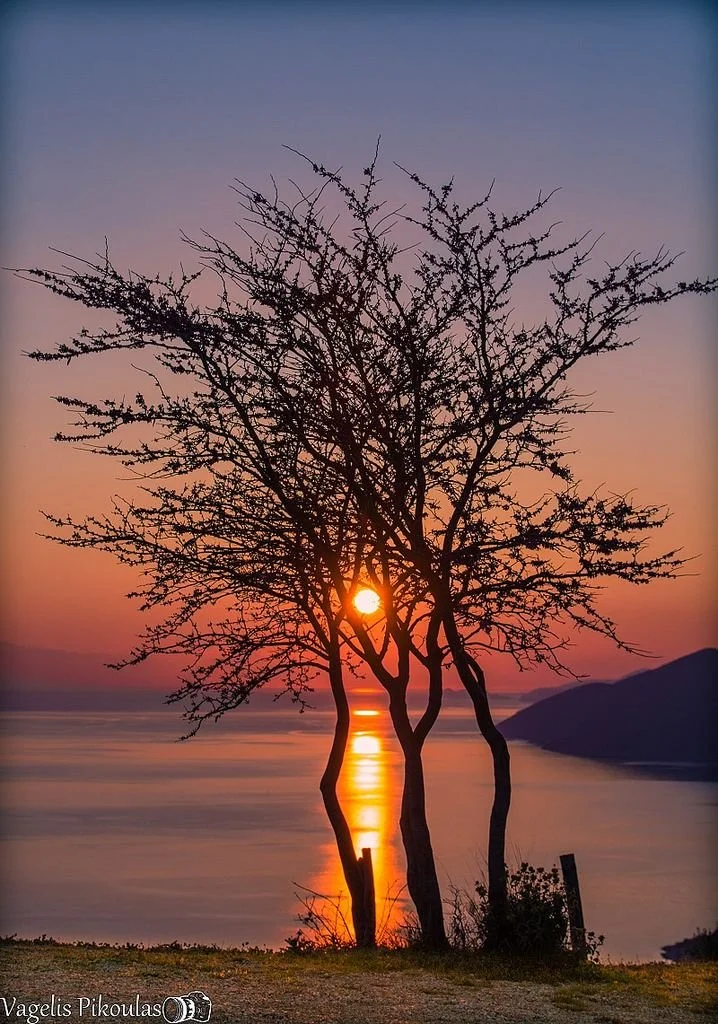
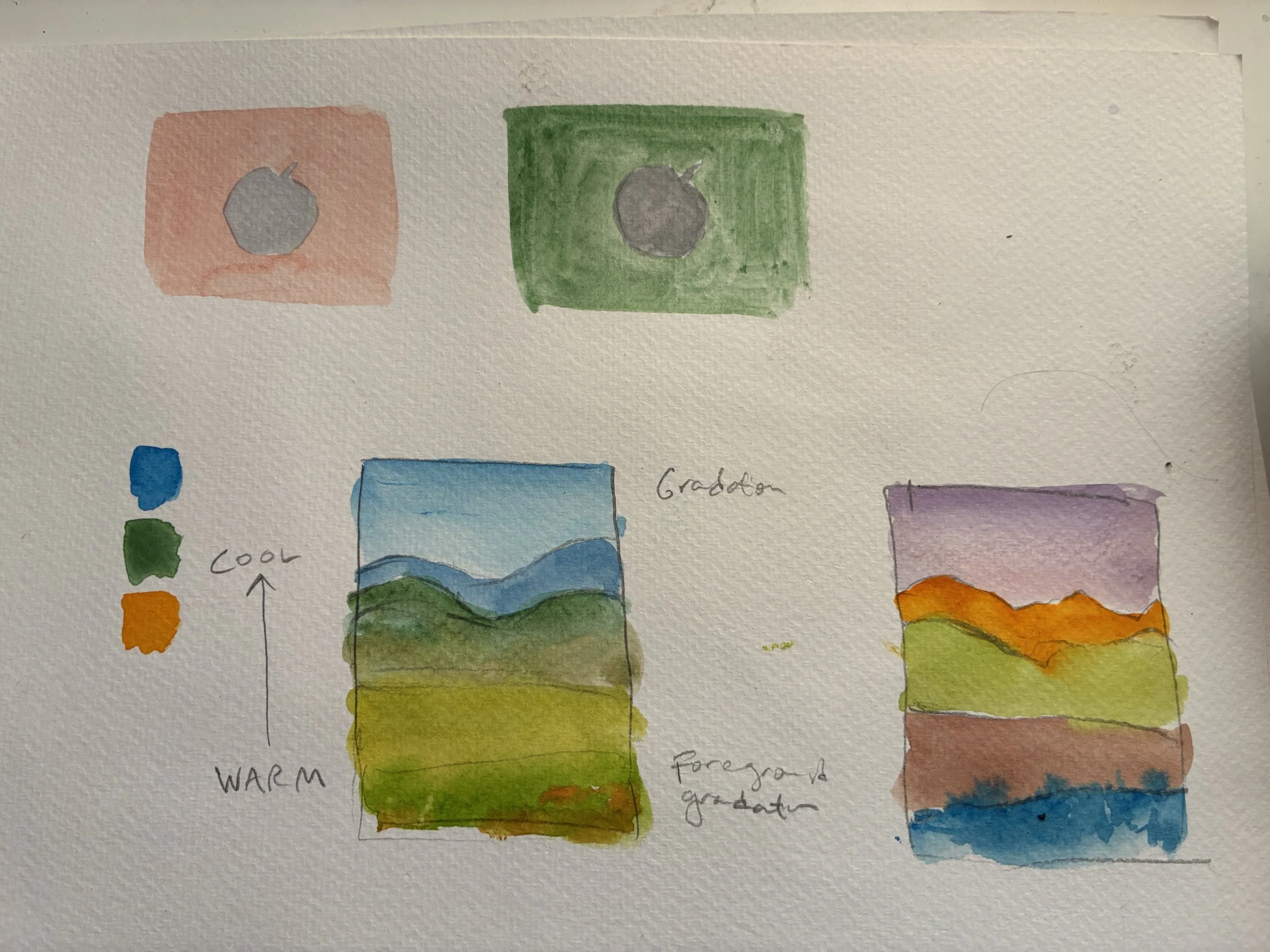
Exercises: Subjective/Emotional Color studies of Apple and Sunset