Color Explorations Notes
JULY 13 - AUGUST 17; Every Monday
COURSE NOTES
Jump to:
CLASS 1: Where did color come from?
Color as material from the earth.
CLASS 2: Can color imitate nature?
The Renaissance search for realism
CLASS 3: Can darkness be beautiful?
Baroque color and the drama of light
CLASS 4:What if color is light itself?
Romanticism, Japanese prints, Impressionism
CLASS 5: What if color expresses emotion instead of reality?
Van Gogh, Gauguin, Munch, Fauves
CLASS 6: CLASS 6: What if color becomes the subject?
Abstraction to pop art/ pop culture
CLASS 4: What if color is light itself?
From Japan to Romanticism and Impressionism
Part 1: Color in Japan
Global trade and the movement of pigments
Indigo and Japanese color traditions (aizome)
Prussian Blue
Ukiyo-e
Hokusai and Hiroshige
Kabuki color symbolism
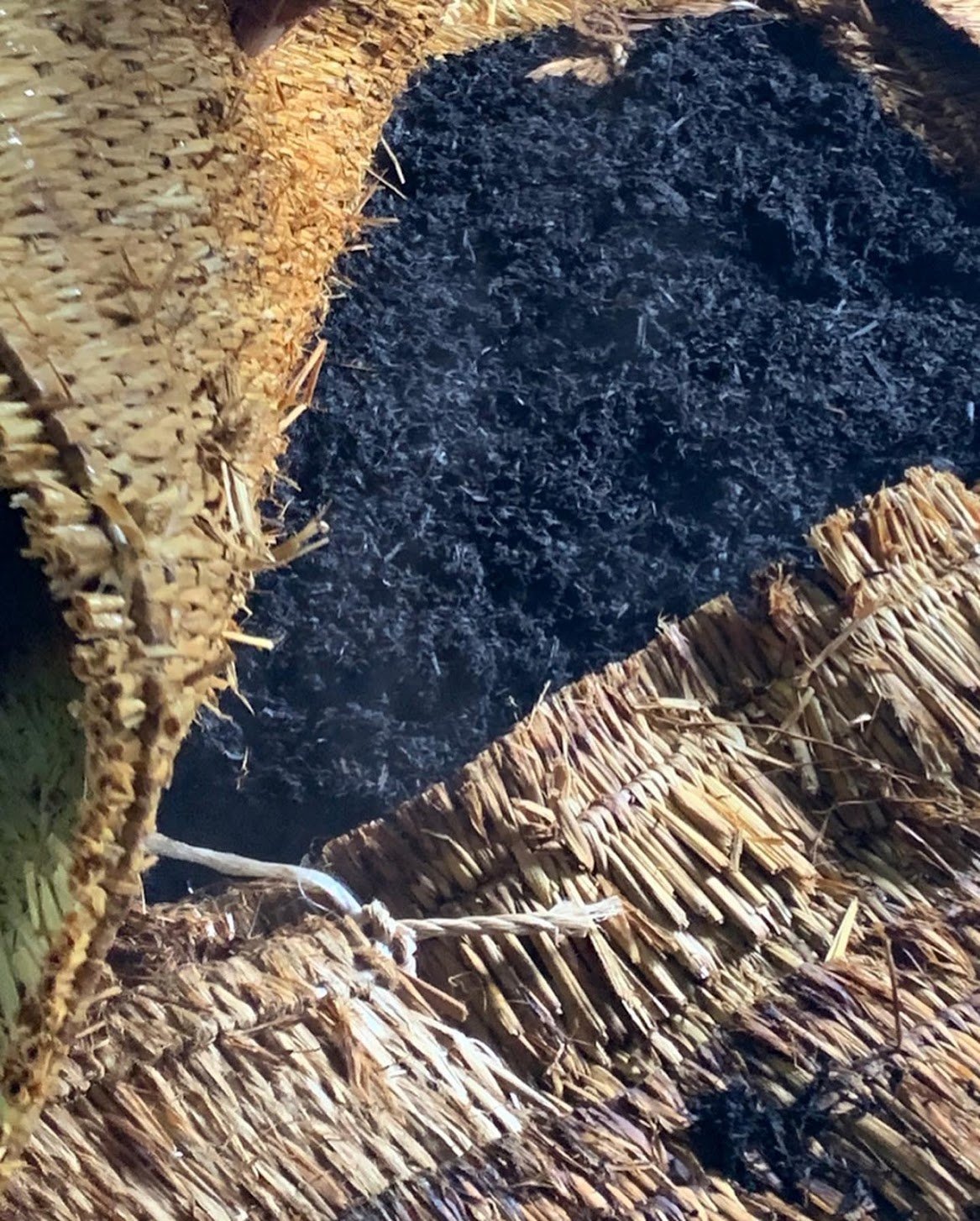
Sukumo, the dried and composted leaf material of the Japanese indigo plant
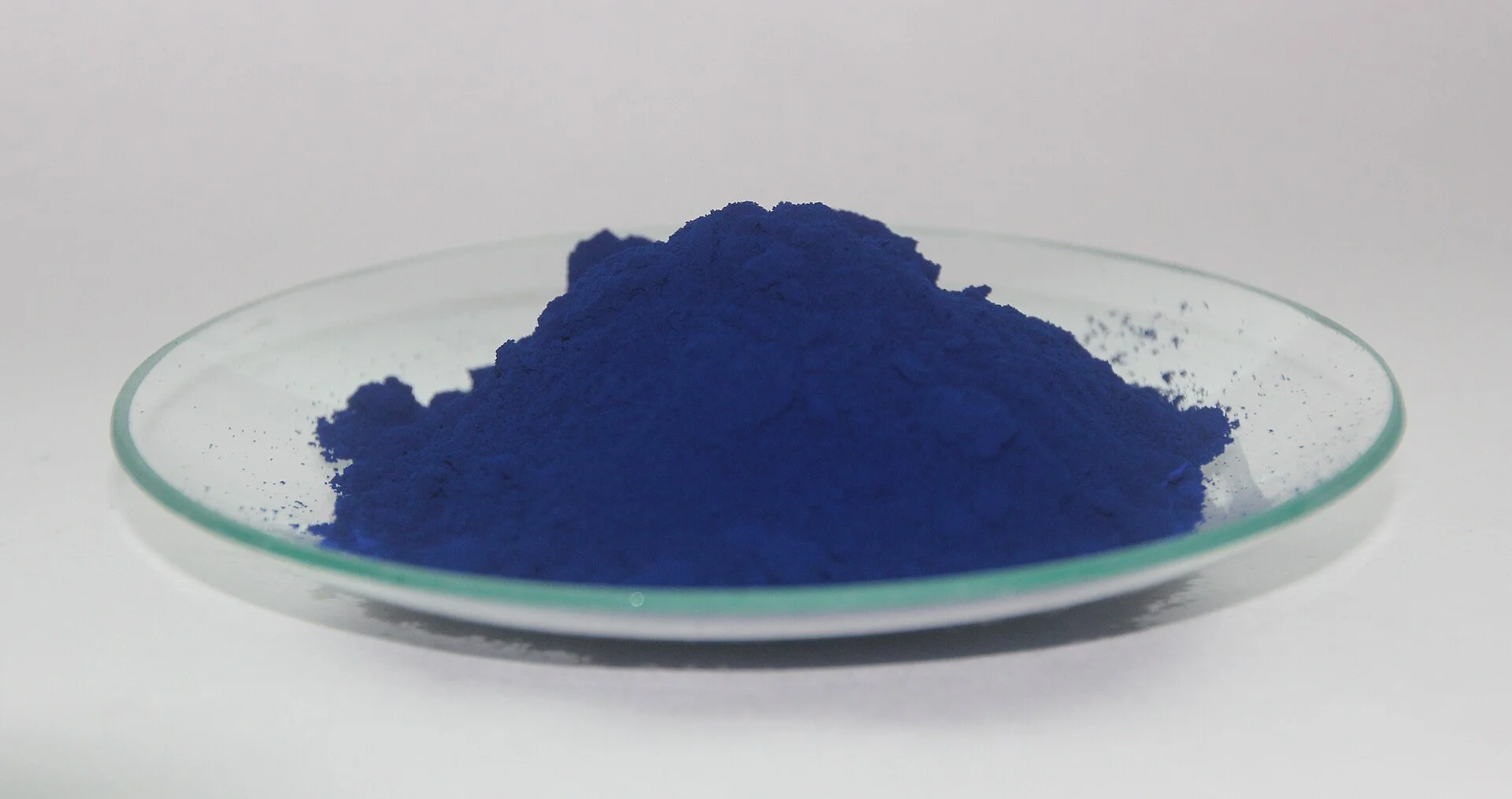
Prussian Blue, the first synthetic pigment
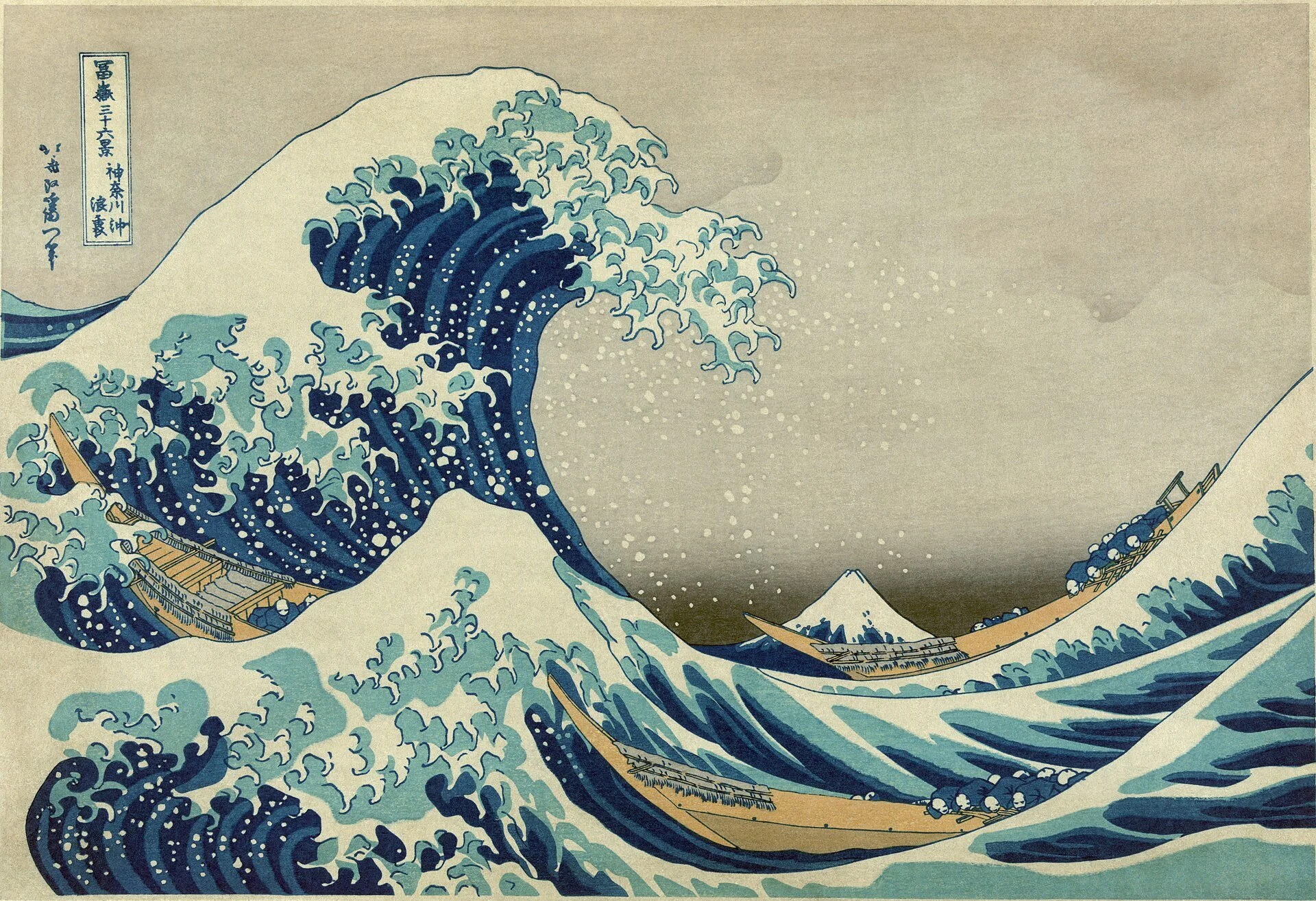
Hokusai, The Great Wave off Kanagawa, 1831
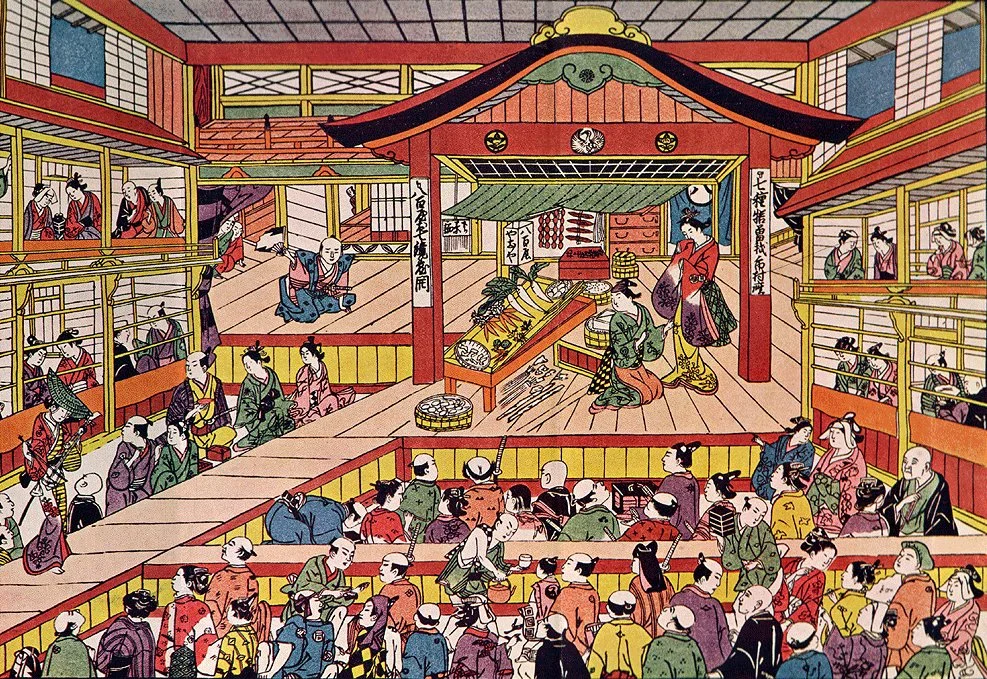
Okumura Masanobu, Shibai Ukie (Perspective Picture of a Play), 1741
Part 2: Romanticism — Color as Experience
Romanticism
Nature
Emotion
The Sublime
Atmosphere
Imagination
J.M.W. Turner, The Slave Ship, 1840
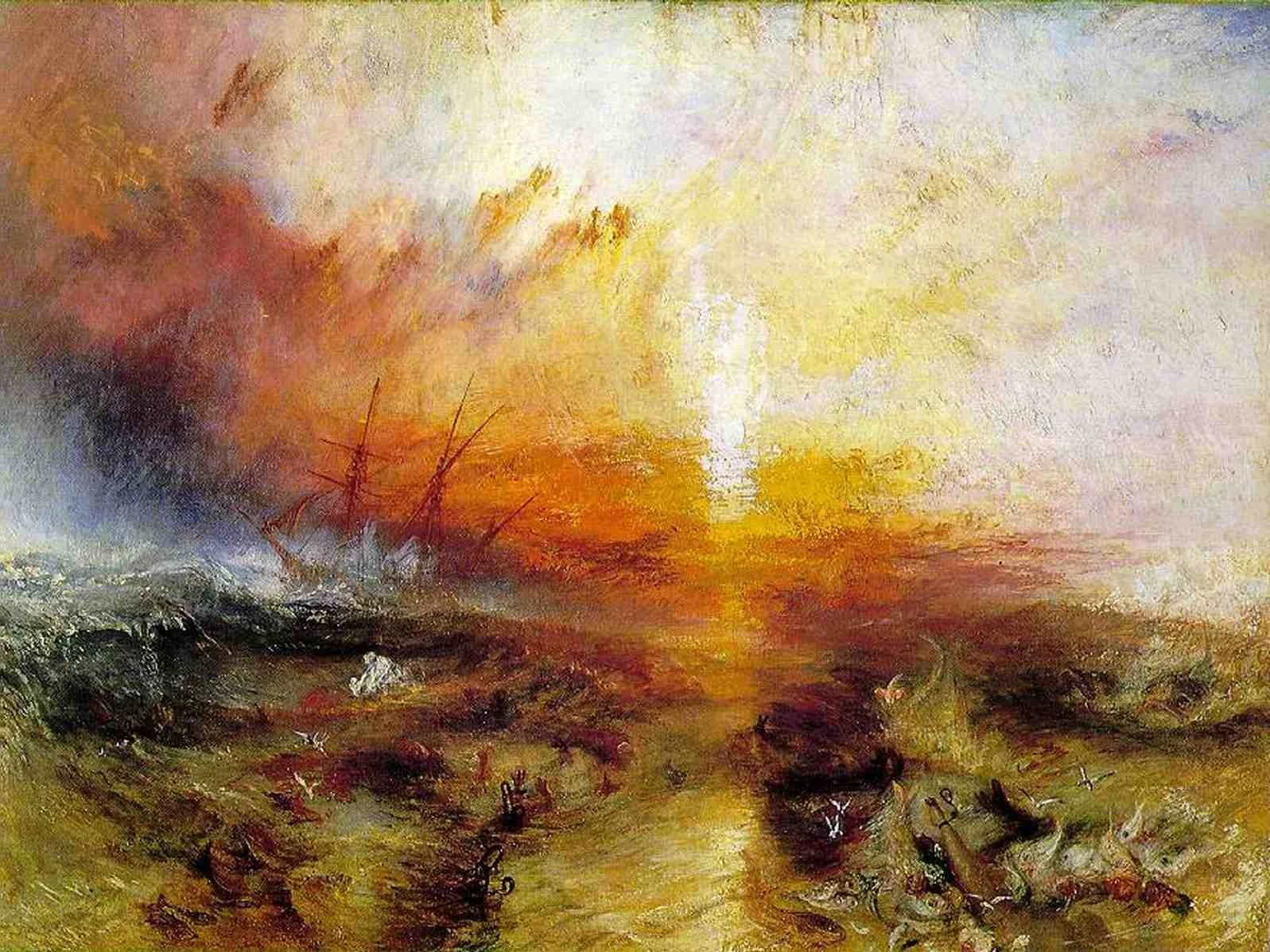
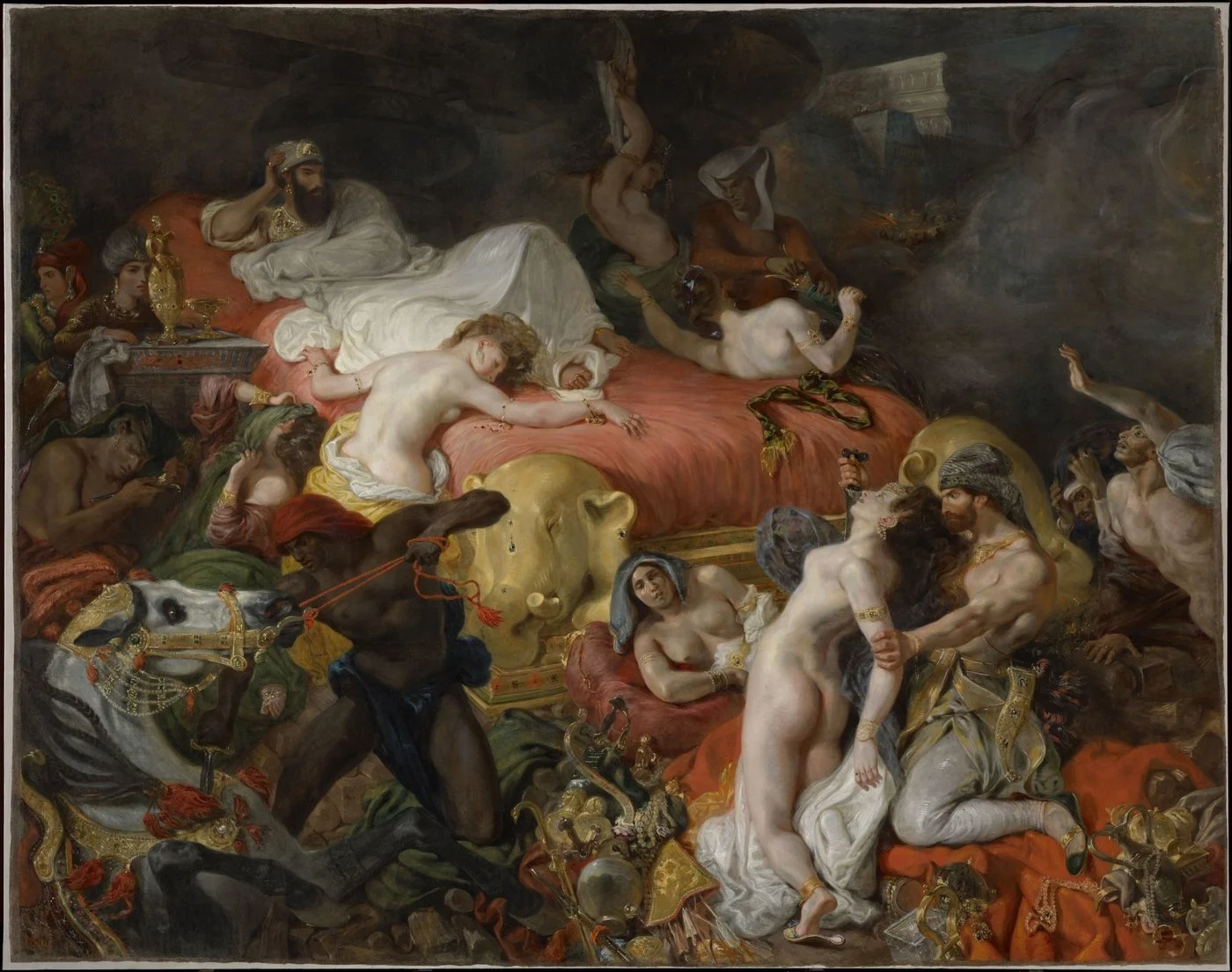
Eugene Delacroix, La Mort de Sardanapale, 1827
Romanticism
Nature
Emotion
The Sublime
Atmosphere
Imagination
Part 3: The Science and Technology of Color
Color Science — Michel Eugène Chevreul
Key Concepts
Simultaneous Contrast
Complementary Colors
Optical Mixing
Adjacent colors influence one another
Technology
Tube paints (John Goffe Rand)
Portable easels
Industrial pigments
Cerulean
Cobalt
Cadmium
Viridian
Synthetic Ultramarine
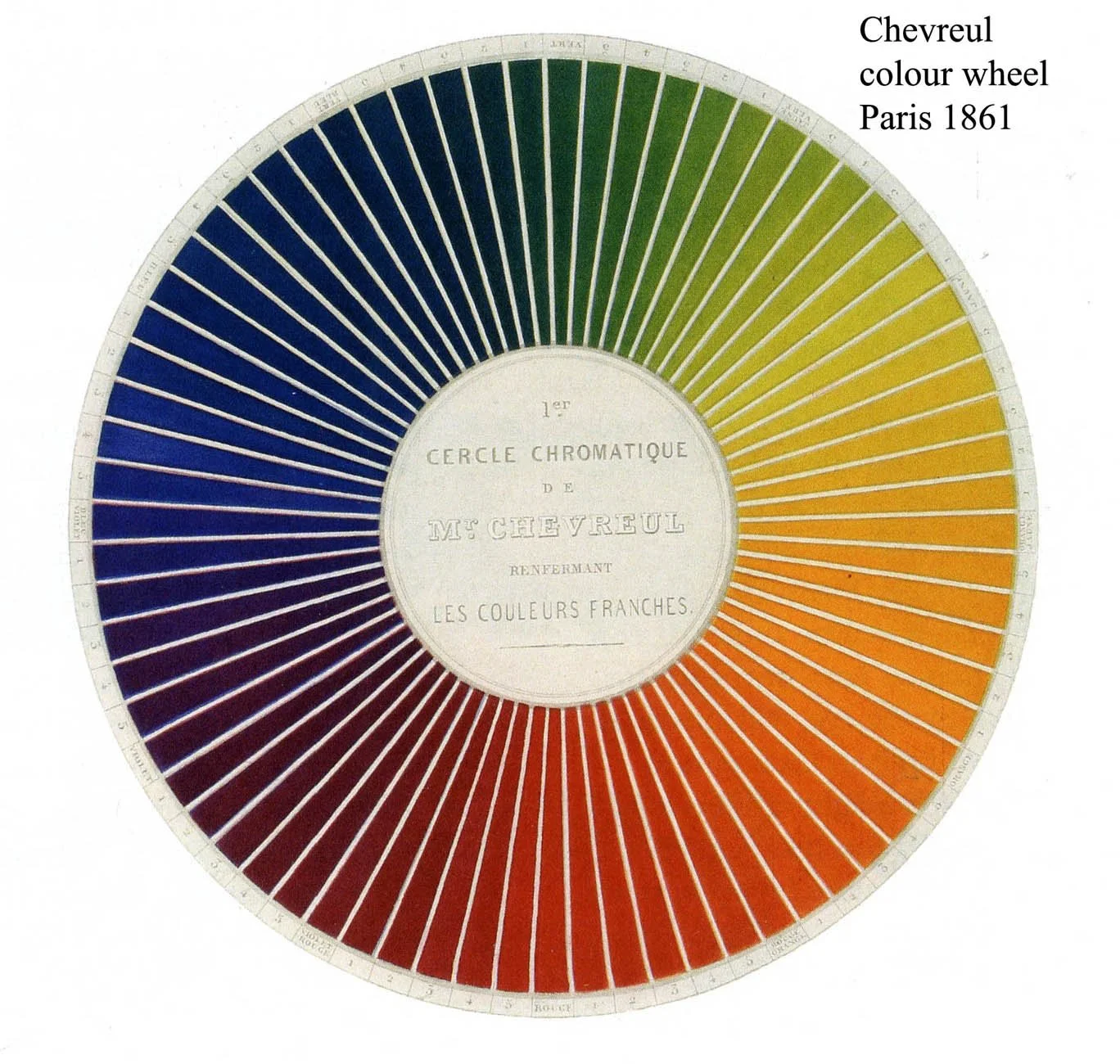
Michel Eugène Chevreul, Cercle Chromatique, 1861
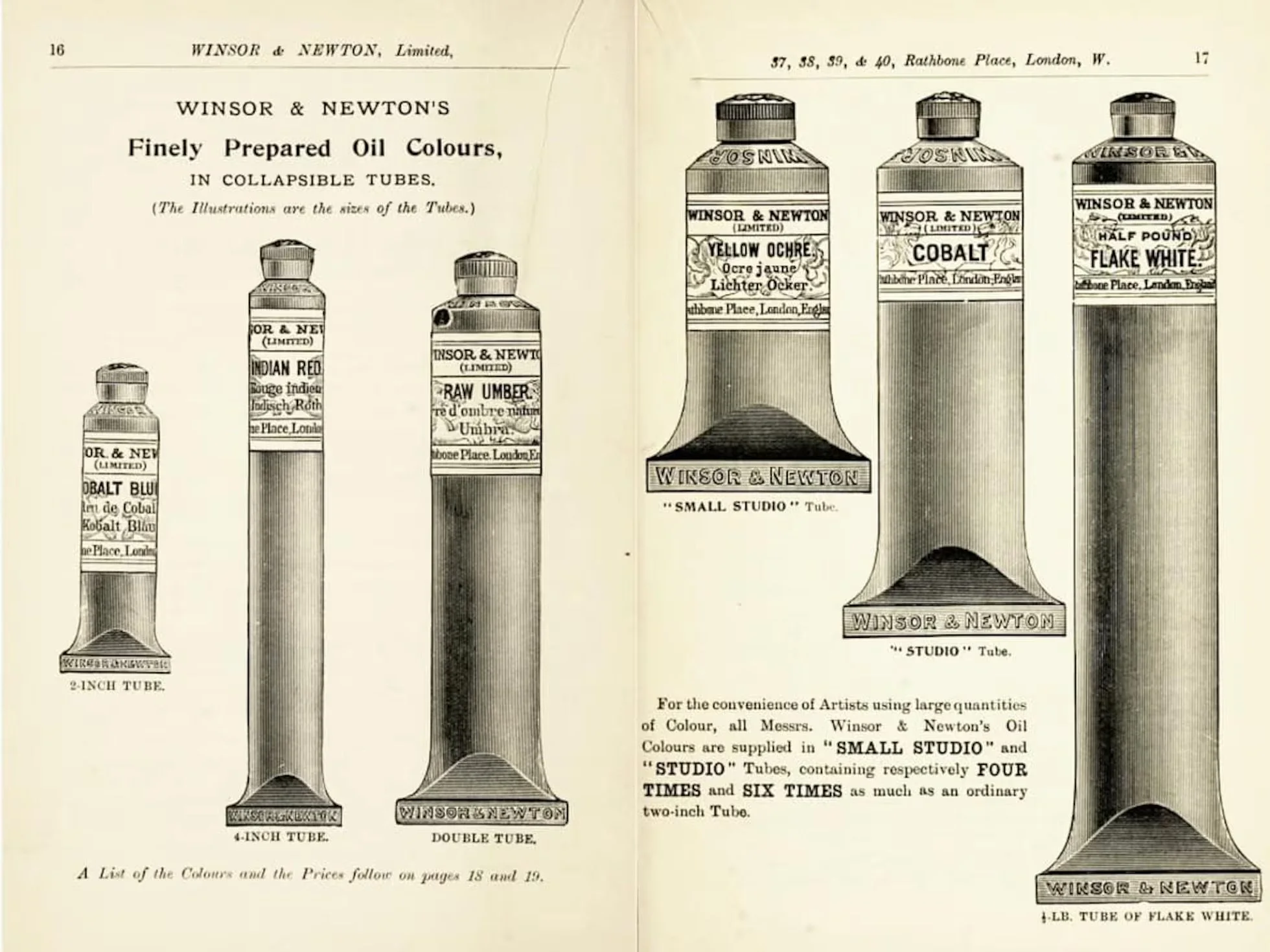
Early Winsor & Newton collapsible paint tubes
Part 4: Impressionism
Key Concepts
Broken color
Optical mixing
Changing light
En plein air
Local vs perceived color
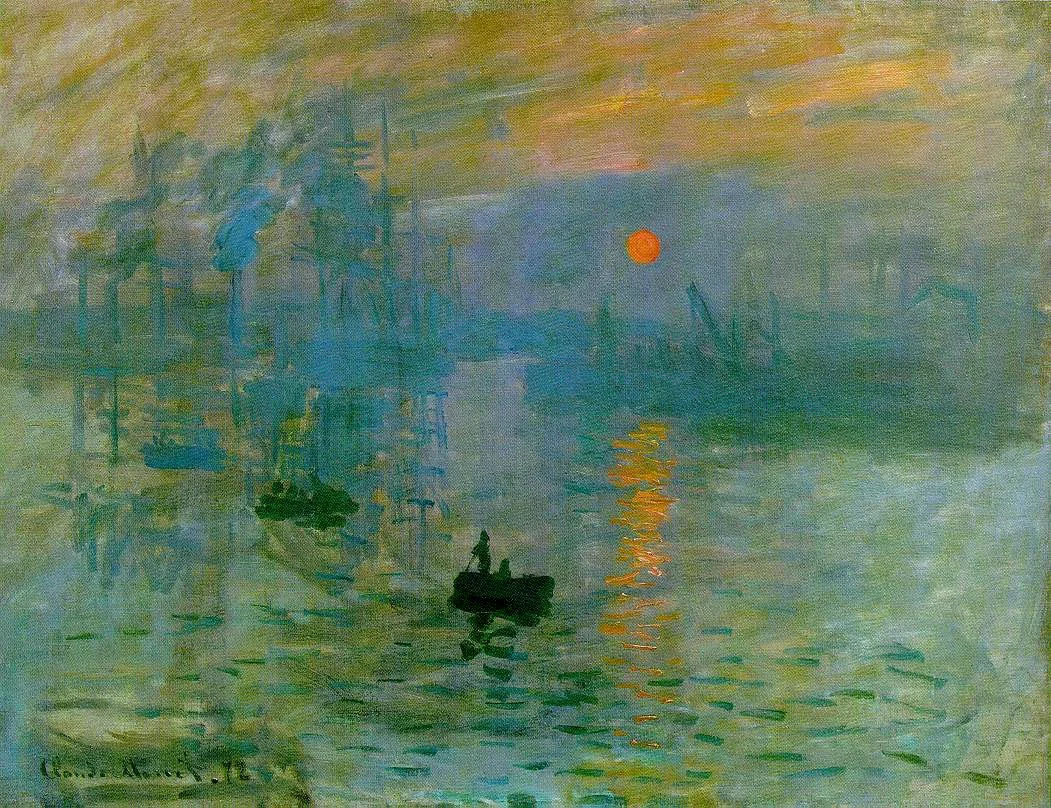
Claude Monet, Impression: Sunrise, 1872
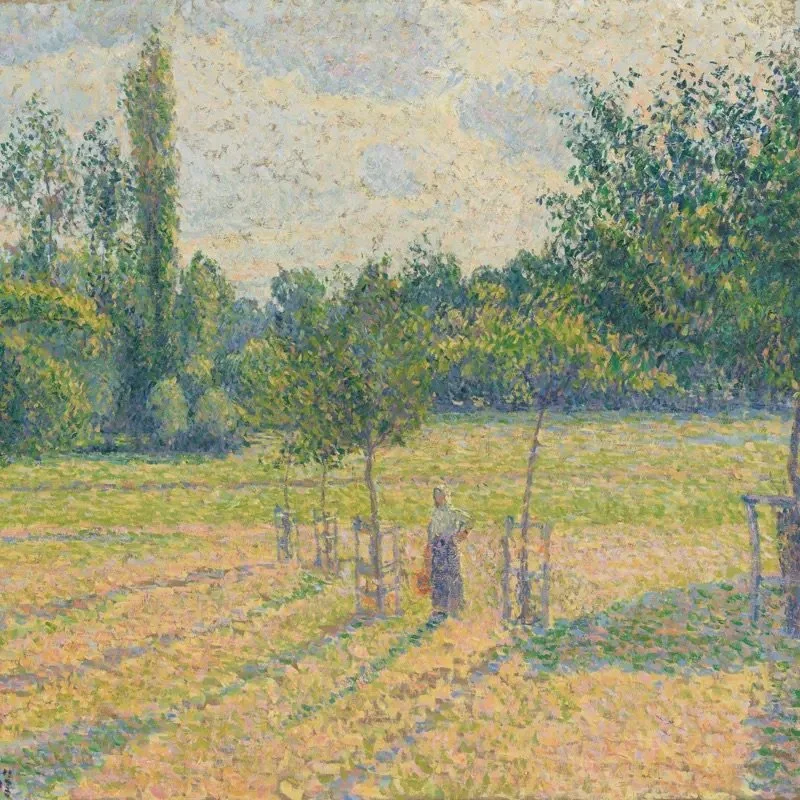
Camille Pisarro, Late Afternoon in our meadow, 1887
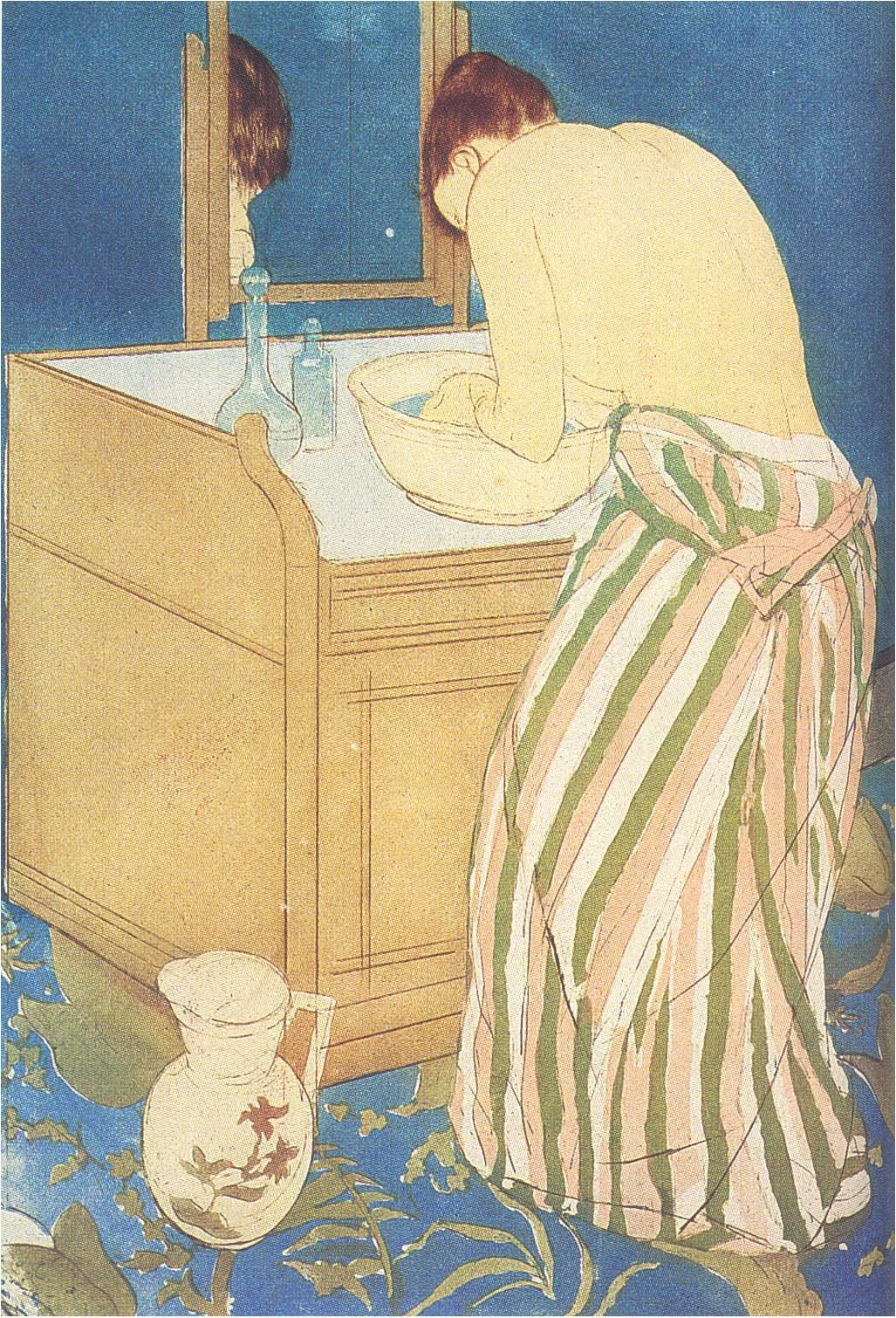
Mary Cassatt, Woman bathing,1891
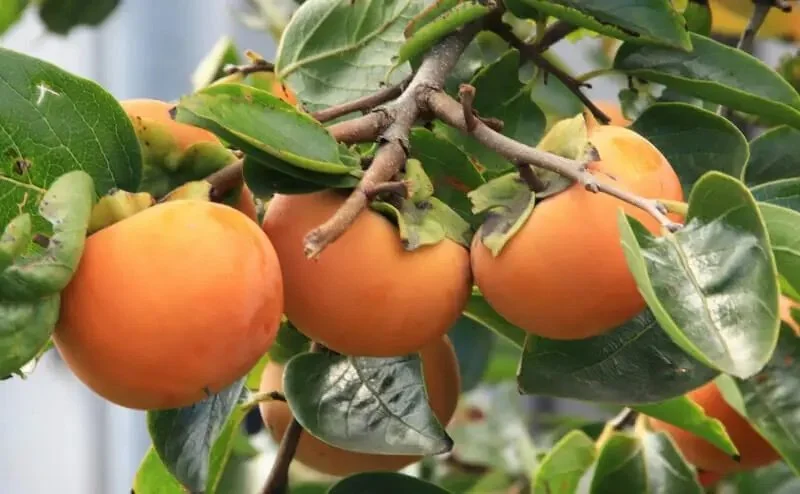
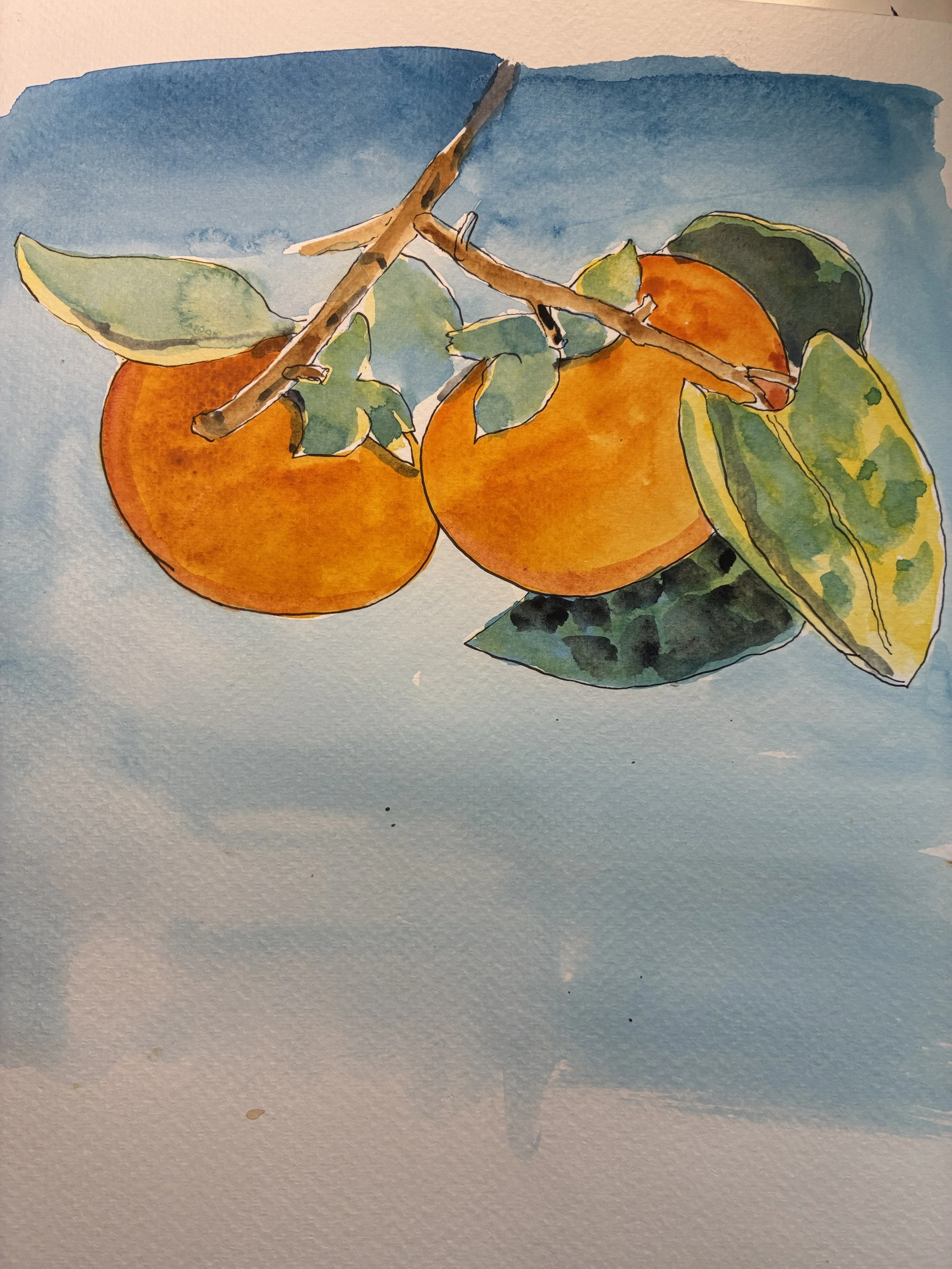
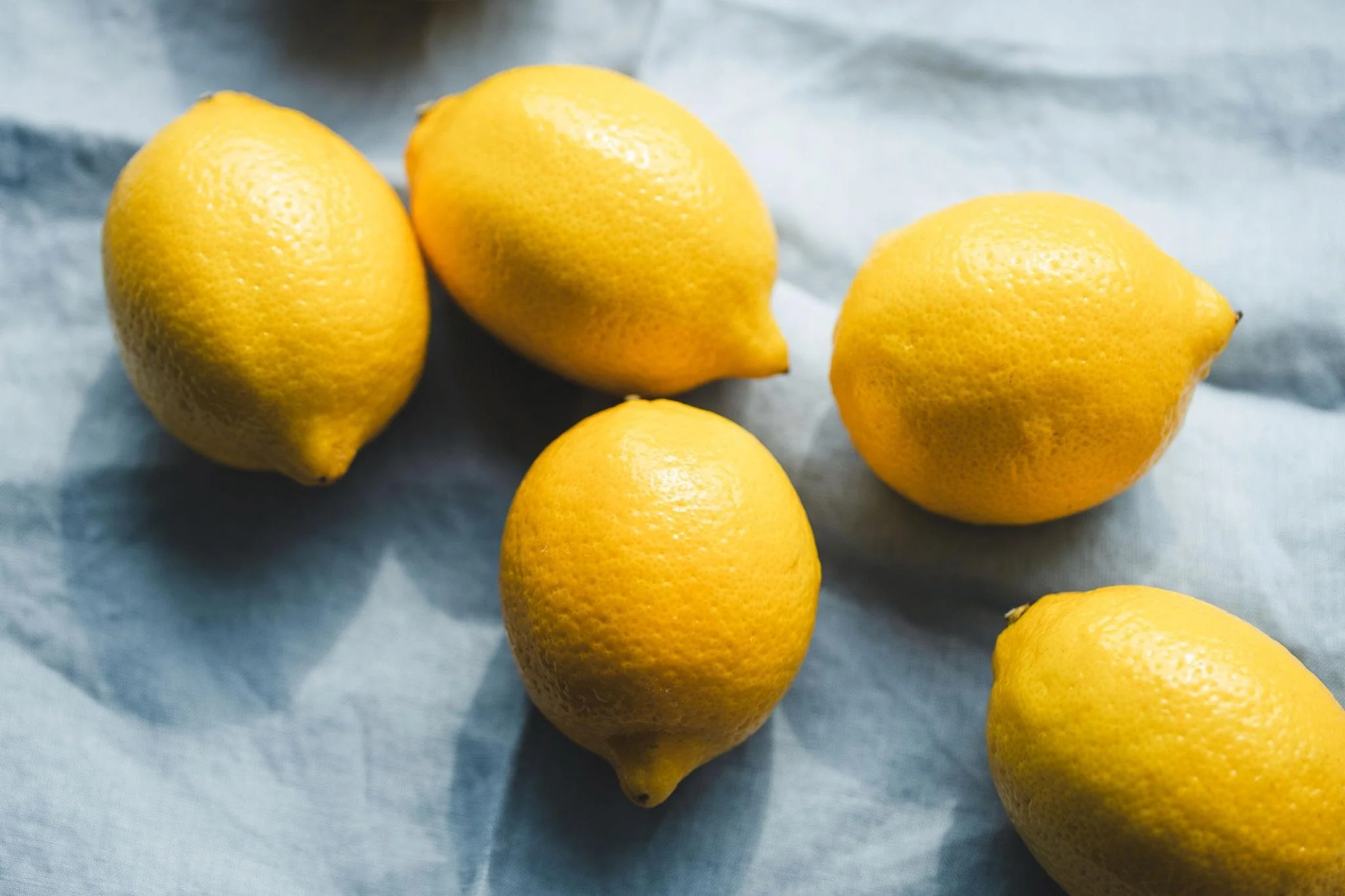
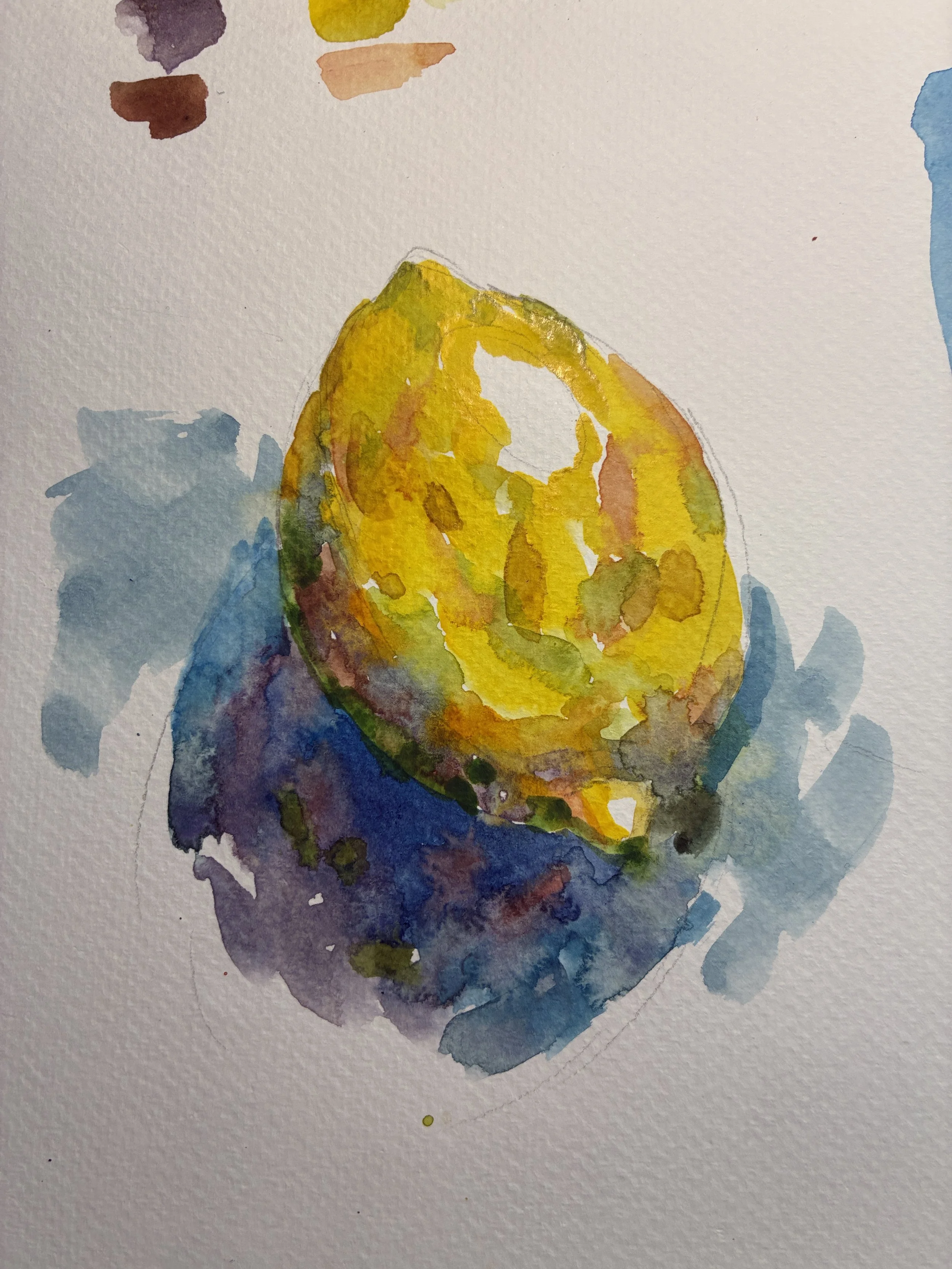
Exercises: Kaki study (Ukiyo-e)and Lemon Study (impressionist)