Color Explorations Notes
JULY 13 - AUGUST 17; Every Monday
COURSE NOTES
Jump to:
CLASS 1: Where did color come from?
Color as material from the earth.
CLASS 2: Can color imitate nature?
The Renaissance search for realism
CLASS 3:Can darkness be beautiful?
Baroque color and the drama of light
CLASS 4:What if color is light itself?
Romanticism, Japanese prints, Impressionism
CLASS 5: What if color expresses emotion instead of reality?
Van Gogh, Gauguin, Munch, Fauves
CLASS 6: Episode 6 — What if color becomes the subject?
Abstraction to digital color
Class 1: Can color imitate nature?
The Renaissance Search for realism
PART 1: On Minium
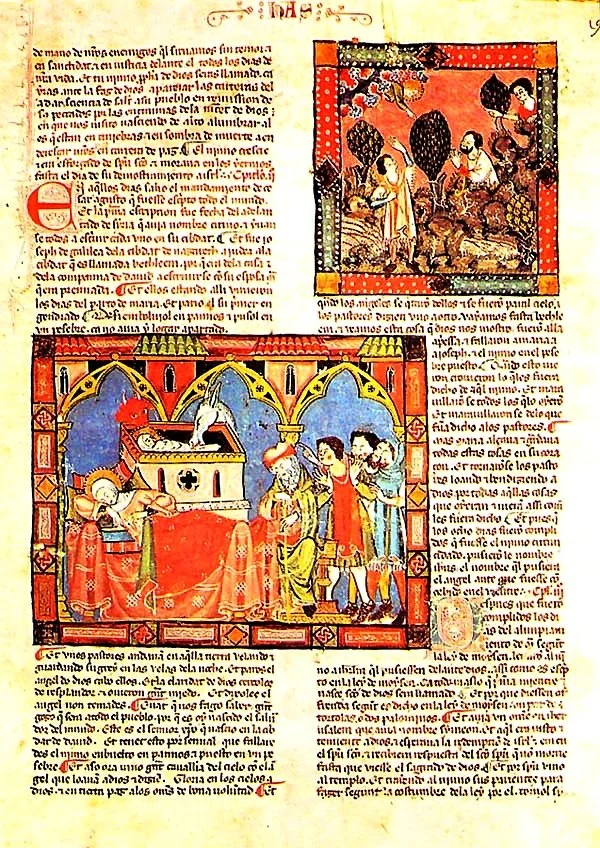
The Códice del Escorial (1272–1284) from Spain.
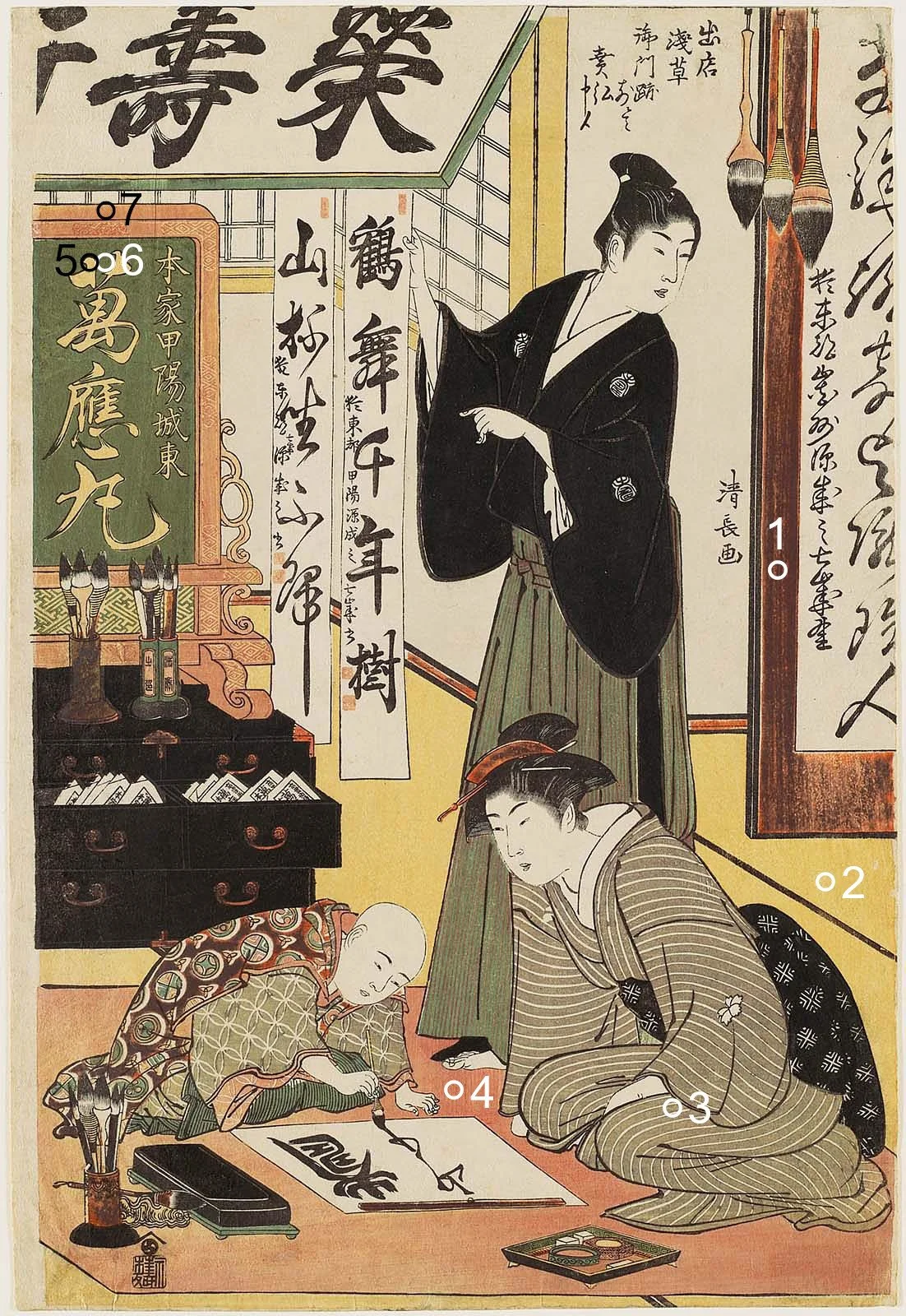
Kiyonaga, Child Prodigy Minamoto no Shigeyuki Executing Calligraphy, 1783
Part 2: Byzantine/Gothic Inheritance
Early precursors to the Renaissance
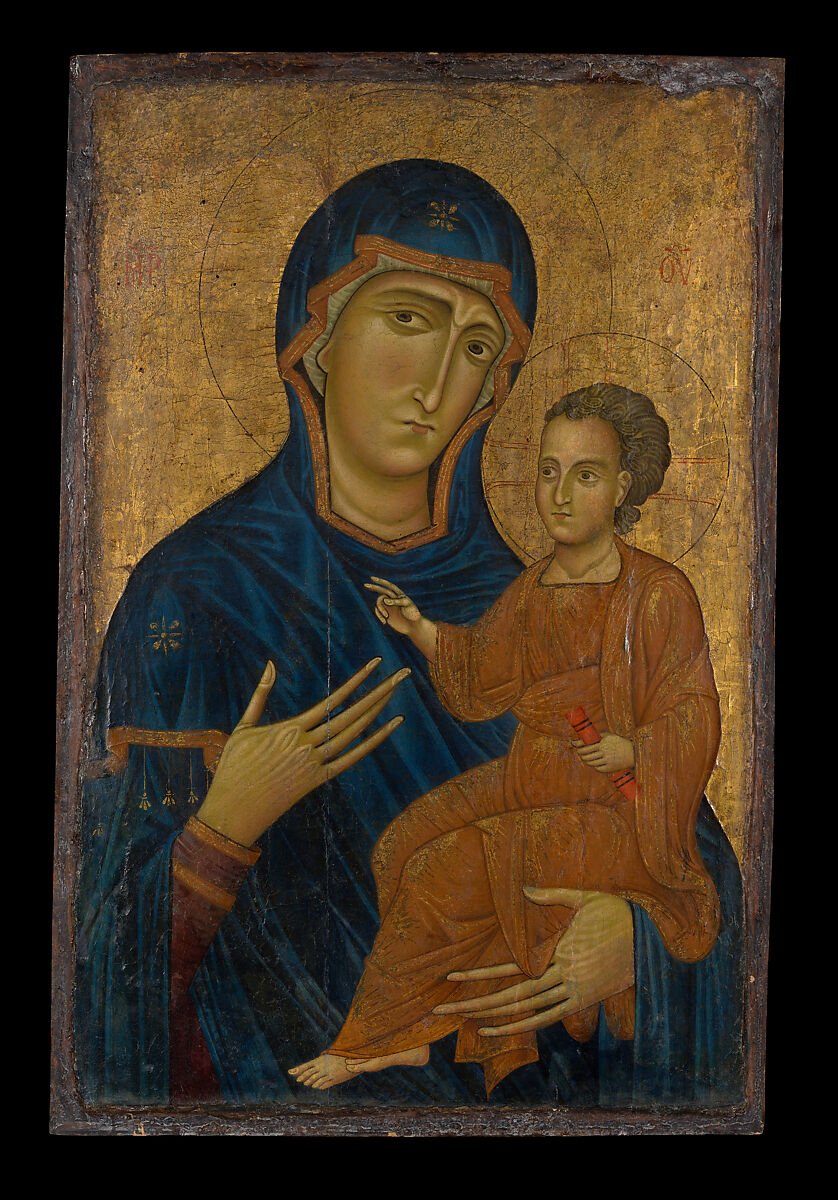
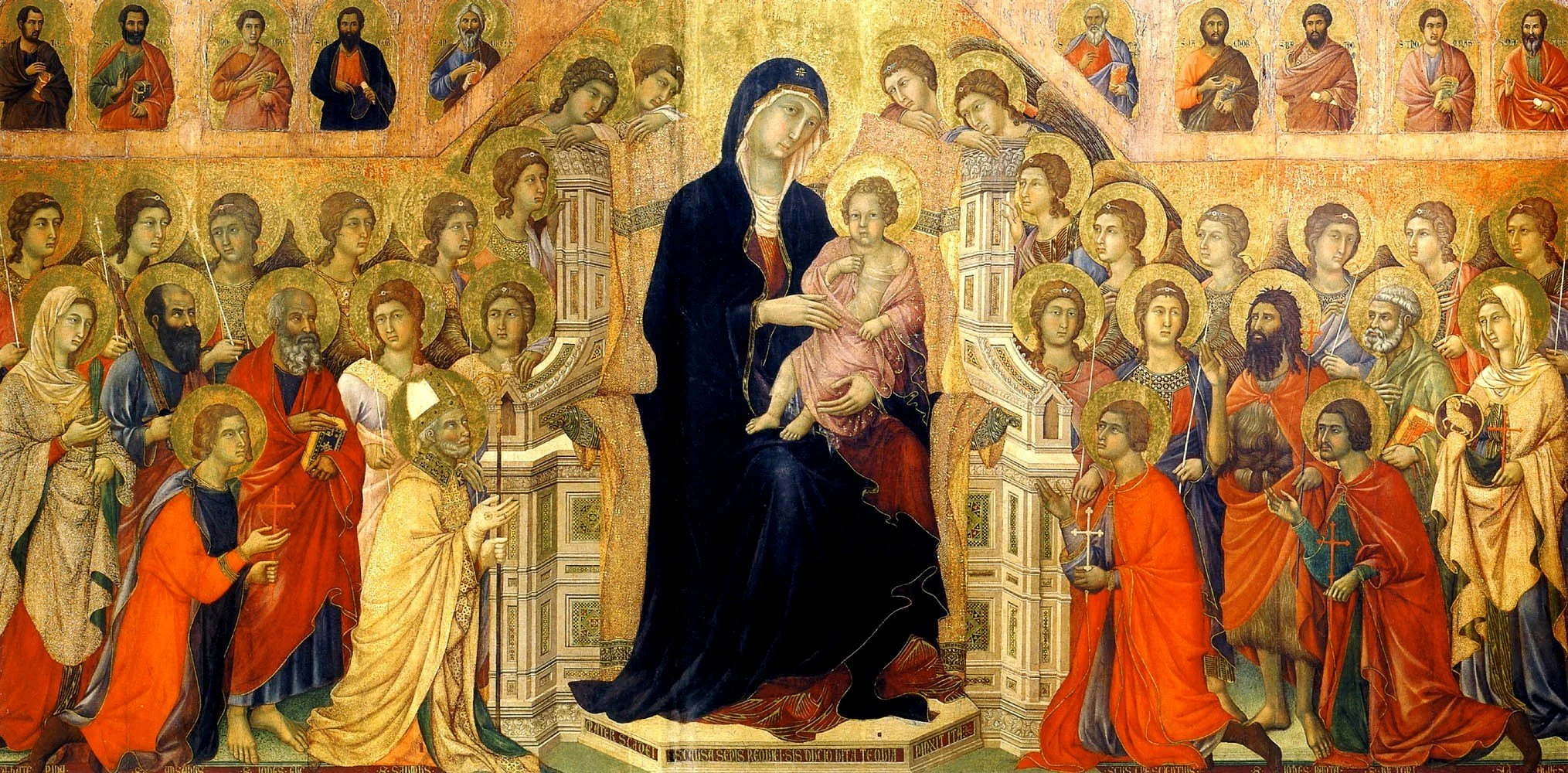
Color serves the sacred.
Gold leaf used to imply divine light.
Layering of pigments
Earth pigments are largely unchanged.
Giotto begins observing light on solid bodies.
Duccio, Maesta, 1308
Madonna and Child. Berlinghiero, 1230s
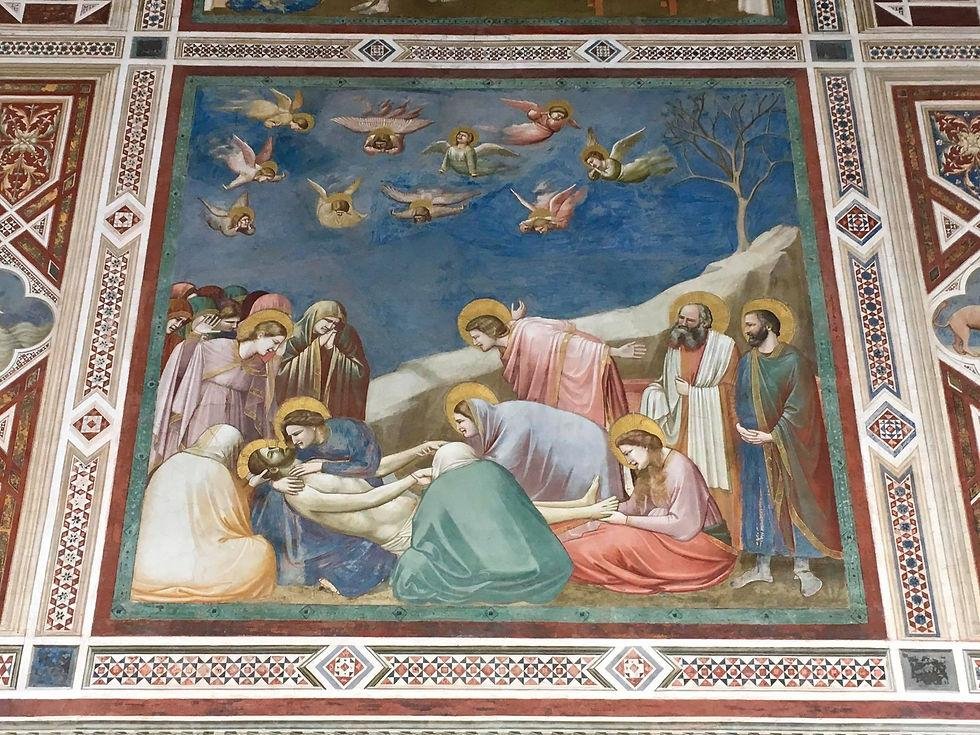
Giotto, Lamentation 1305
Part 3: Early Renaissance
Cennini: Painting as Craft
Painting was learned through apprenticeship in the workshop.
Il Libro dell'Arte (c. 1400) served as a practical manual for artists.
The artist was viewed primarily as a skilled craftsman.
Materials and technique were inseparable from artistic expression.
Cennini’s Painting Method:
Begin with the local color of the object.
Build shadows by using richer or more saturated versions of the same color.
Gradually add lighter tones to develop highlights.
Black was used sparingly, especially in flesh tones.
The layering of thin, opaque strokes created the clear, luminous quality characteristic of tempera painting.
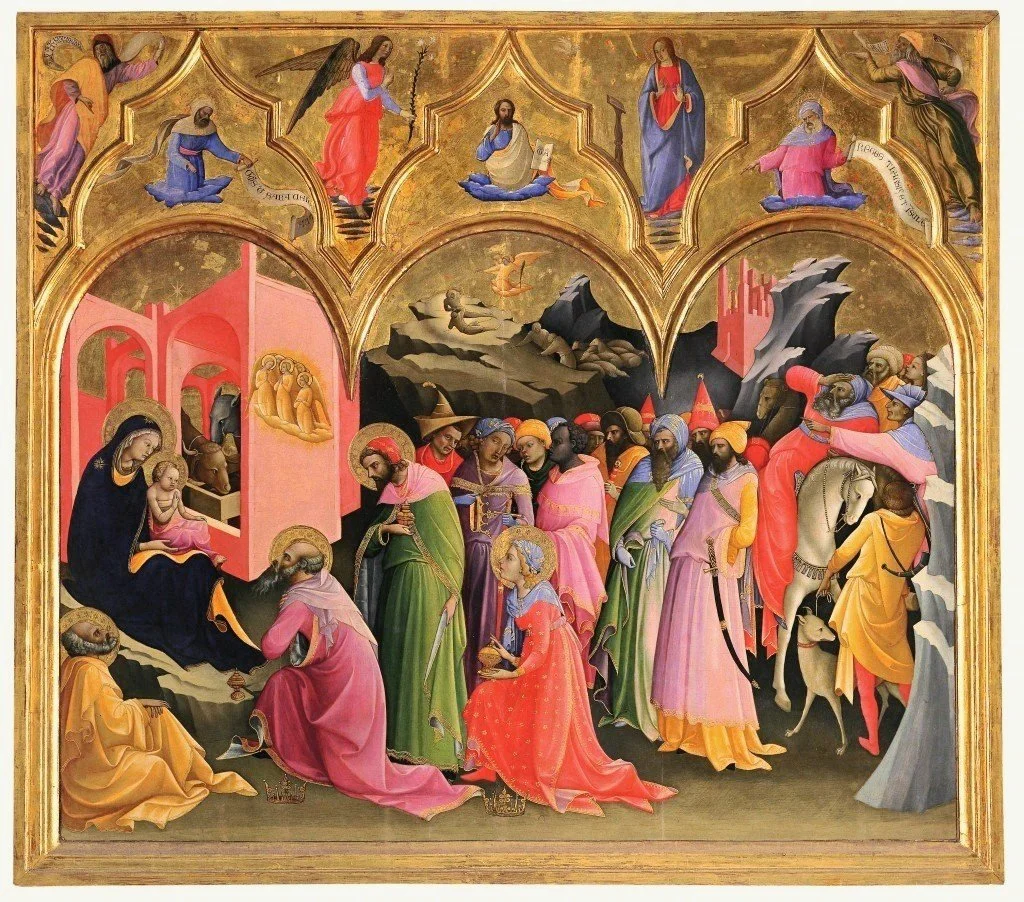
Lorenzo Monaco, Adoration of the Magii, 1422
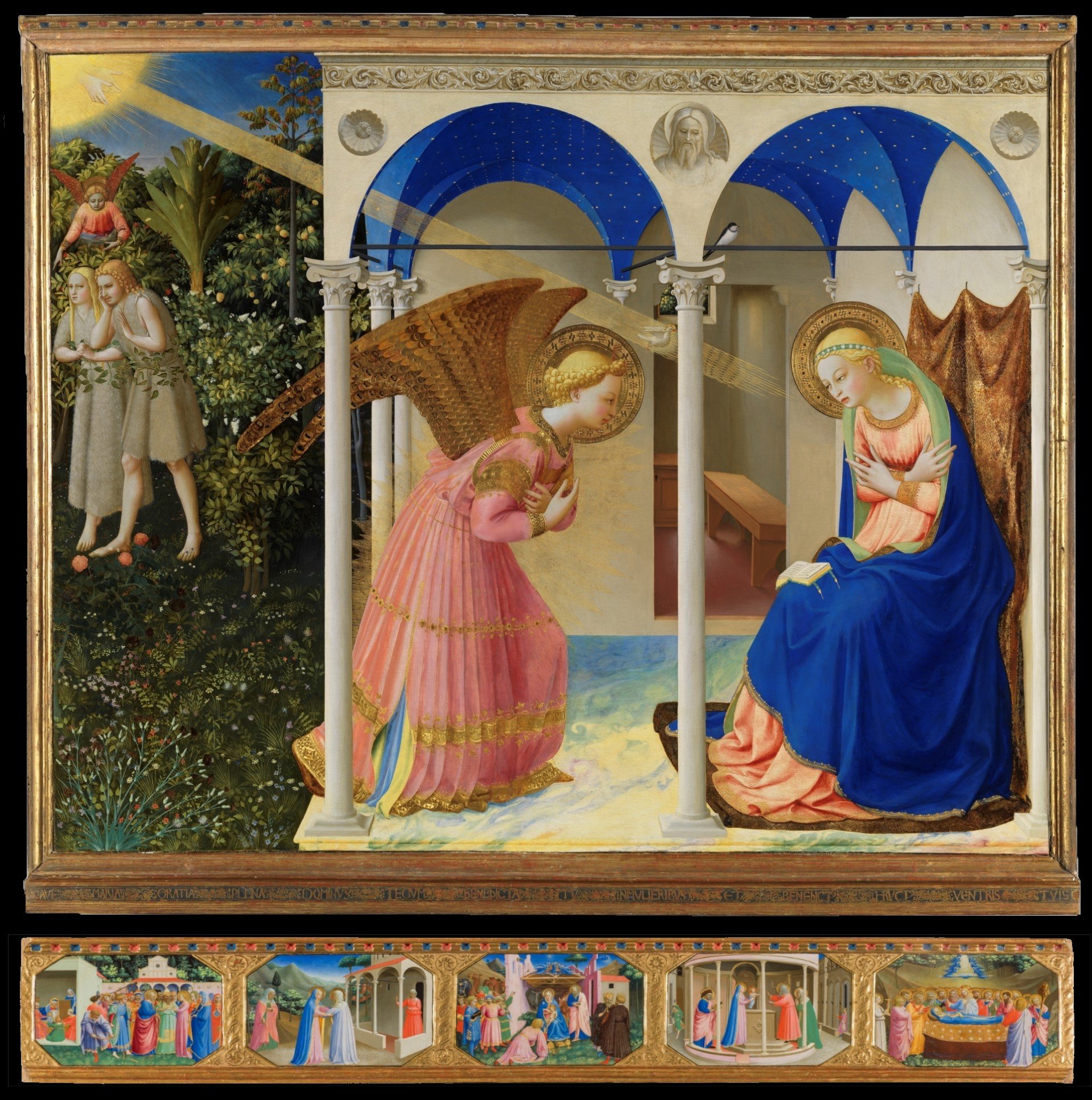
Fra Angelico, Annunciation 1430
Part 4: In to the Quattrocento: Painting as an Intellectual Discipline
Alberti's Vision
De Pictura (1435) presented painting as a liberal art rather than simply a craft.
Perspective became a tool for organizing space logically.
Geometry and proportion helped create convincing depth.
The artist became both an observer and a designer.
Alberti's Approach to Color
Color should describe the effects of light rather than exist independently.
Forms emerge through gradual transitions of light and shadow.
Modeling is built around tonal relationships.
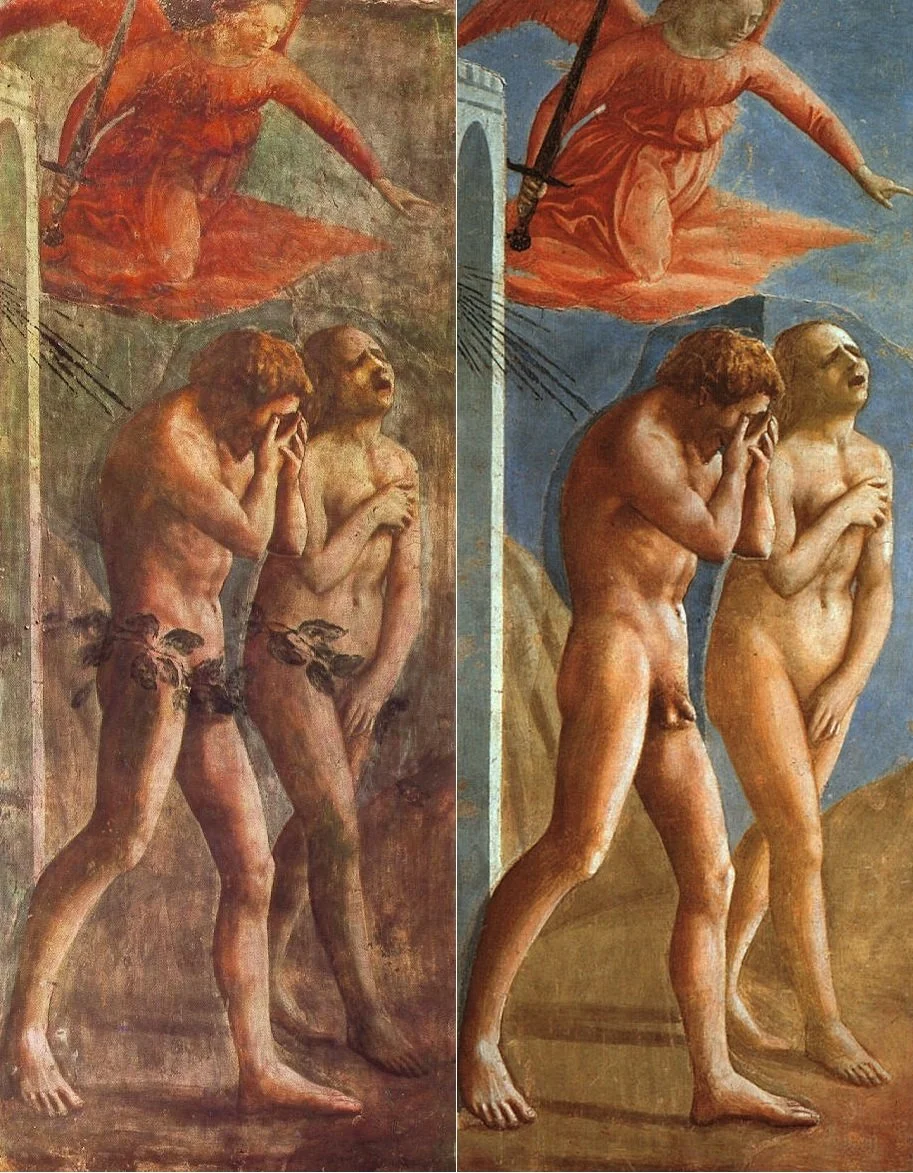
Massacio, Expulsion from Paradise, 1424
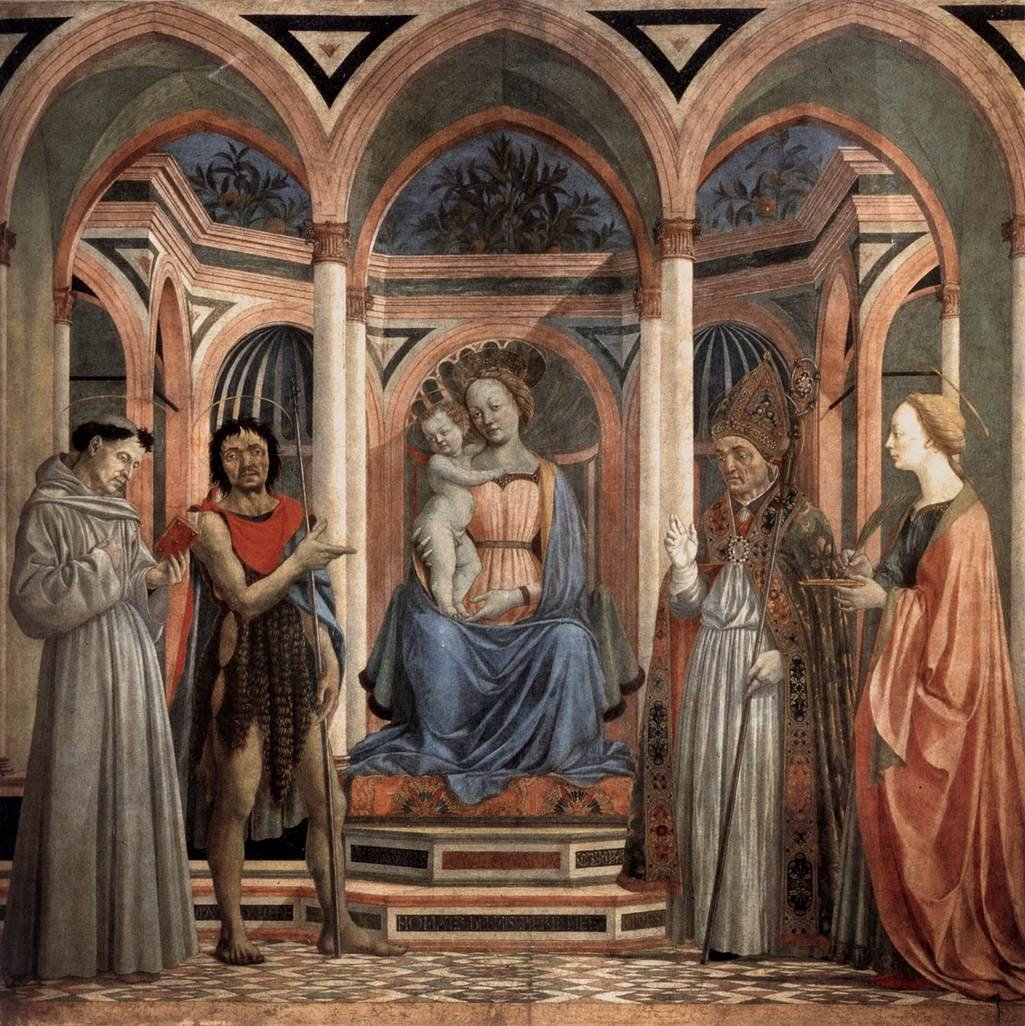
Domenico Veneziano, St. Lucia Altarpiece 1447
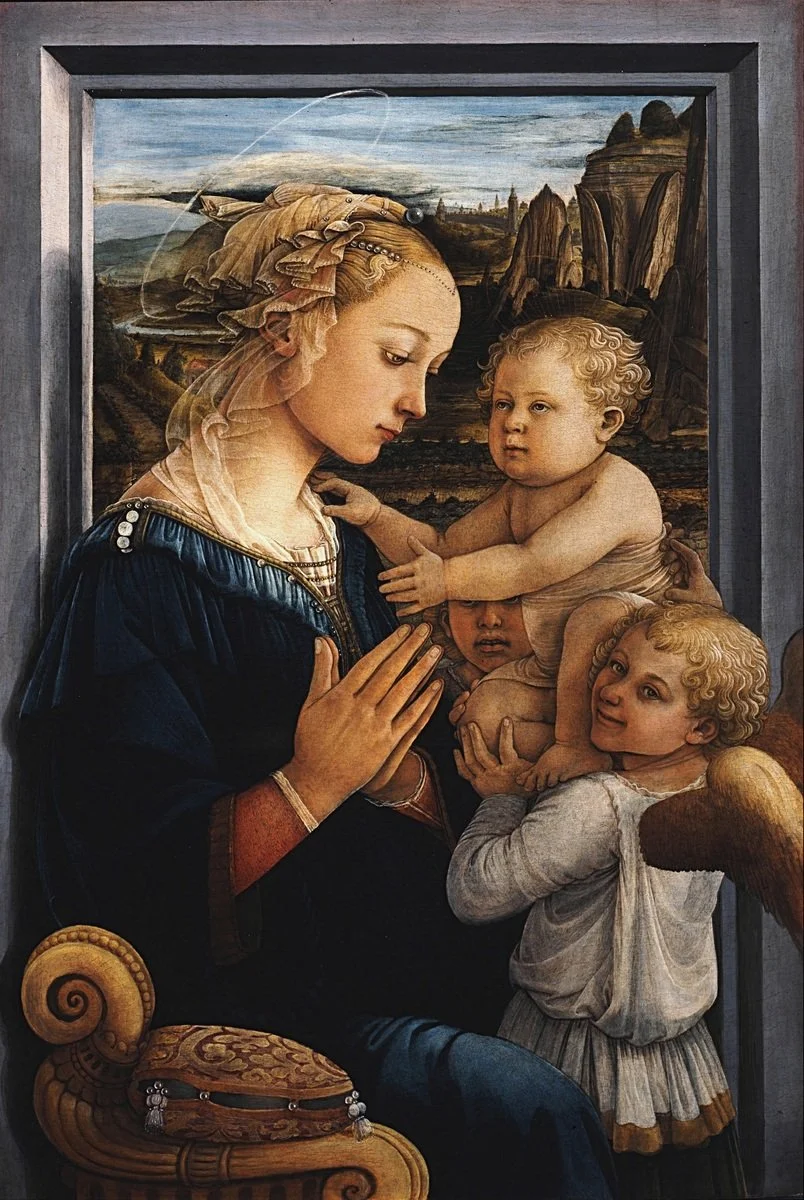
Fra Lippo Lippi, Madonna and Child and Two Saints 1465
Leonardo's Approach
Careful observation became the foundation of painting.
Nature was the greatest teacher.
Painting should capture not only form, but also atmosphere and movement.
Scientific curiosity and artistic practice worked together.
Sfumato
Sfumato means "like smoke."
Forms emerge through soft transitions rather than hard edges.
Contours dissolve into light and shadow.
Atmospheric perspective creates depth through subtle changes in color and contrast.
Part 5 — Leonardo da Vinci: Observation and Atmosphere

Andrea Verrocchio , Baptism of Christ, 1475
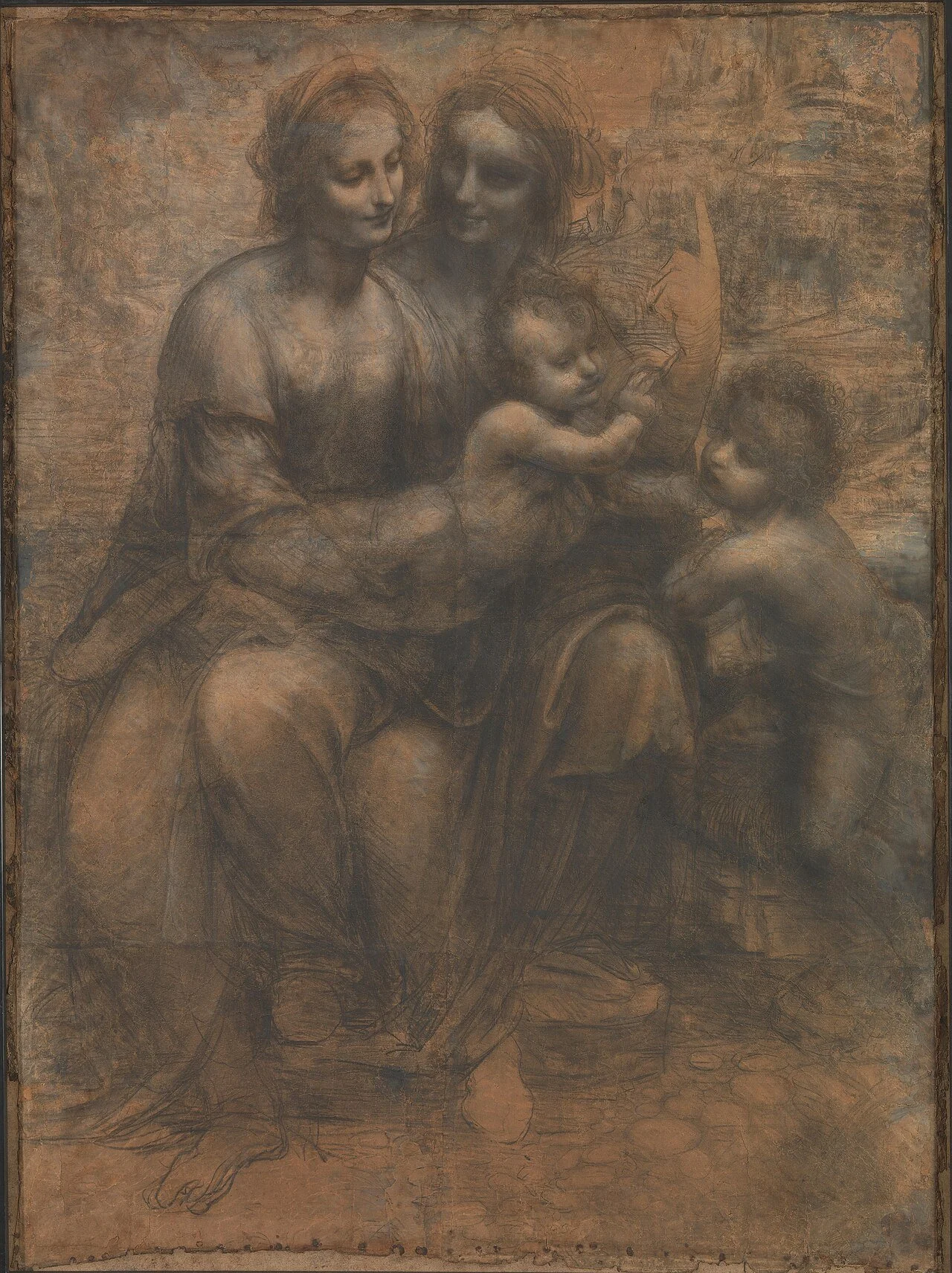
Leonardo, Virgin and Child with Saint Anne and St. John the Baptist
c. 1499–1508
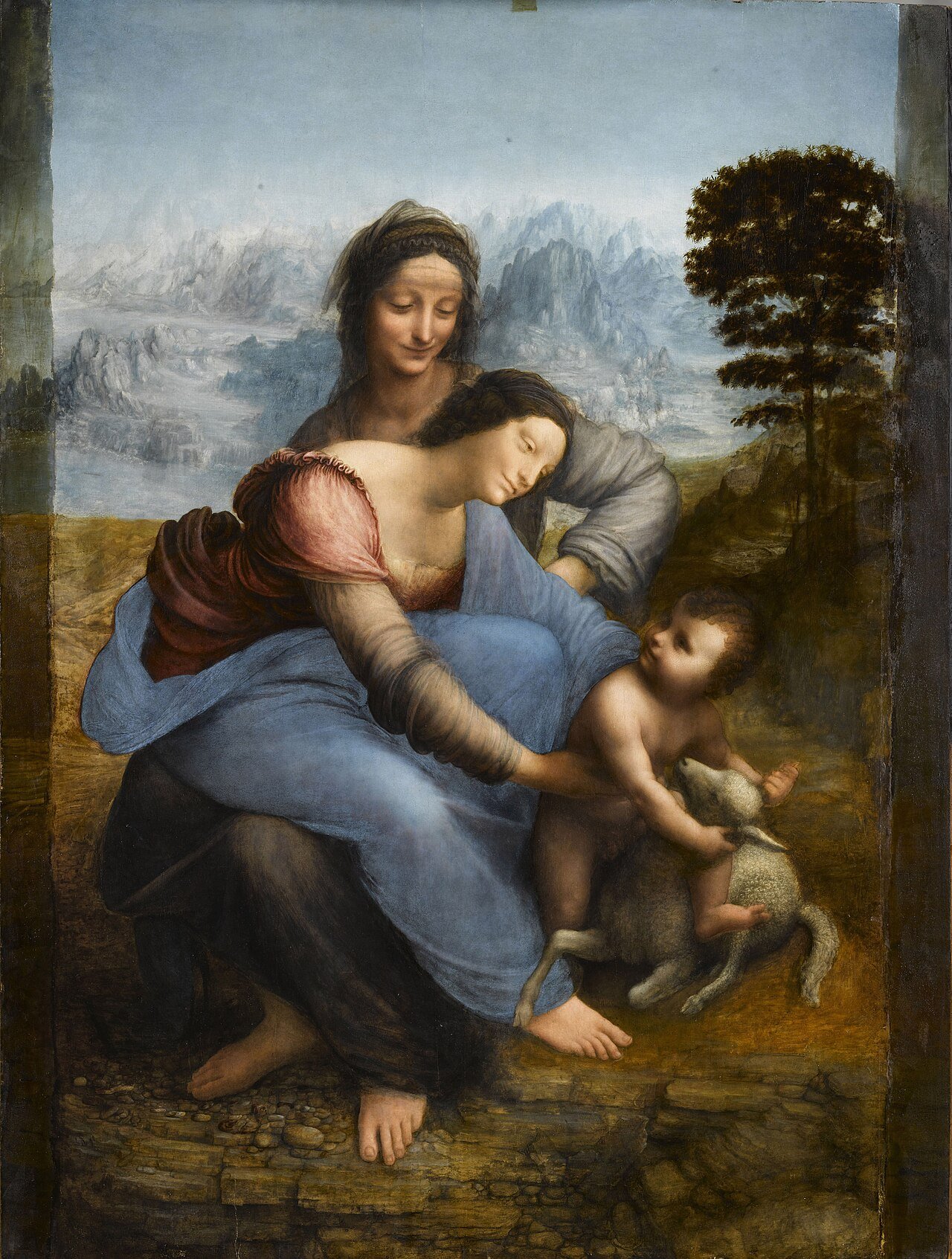
Leonardo, The Virgin and Child with Saint Anne, c. 1501–1519
Michelangelo: Color in the Service of Form
Michelangelo approached painting like a sculptor.
Color strengthens the structure and weight of the body.
Figures become increasingly monumental and dynamic.
During the Sistine Chapel project, his palette grew progressively richer and more daring.
The restoration revealed the extraordinary brilliance of his original colors, challenging the long-held image of Michelangelo as a muted painter.
Raphael: A Synthesis
Raphael combines Leonardo's natural observation with Michelangelo's monumentality.
His early paintings emphasize balance, harmony, and clarity.
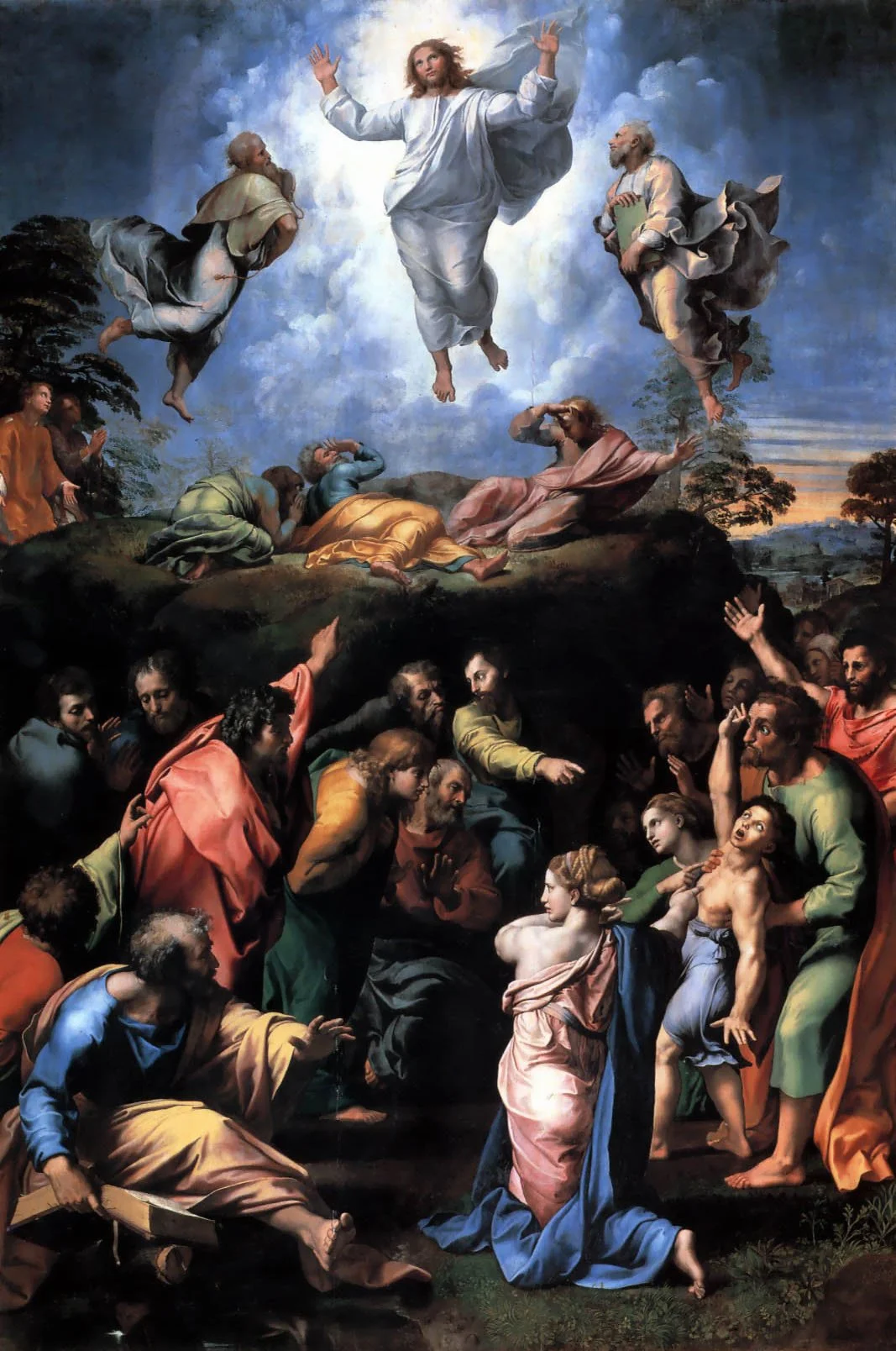
Later works absorb Michelangelo's dramatic energy and expressive figures.
The Transfiguration points toward a new emotional intensity and stronger contrasts that anticipate the next generation of painters.
Part 6: Michelangelo and Raphael: The High Renaissance
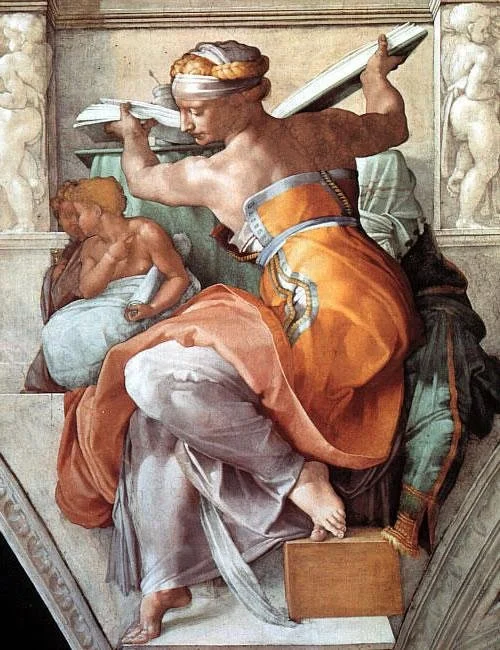
Michelangelo, Libyan Sibyl from the Sistine Chapel 1508-1512
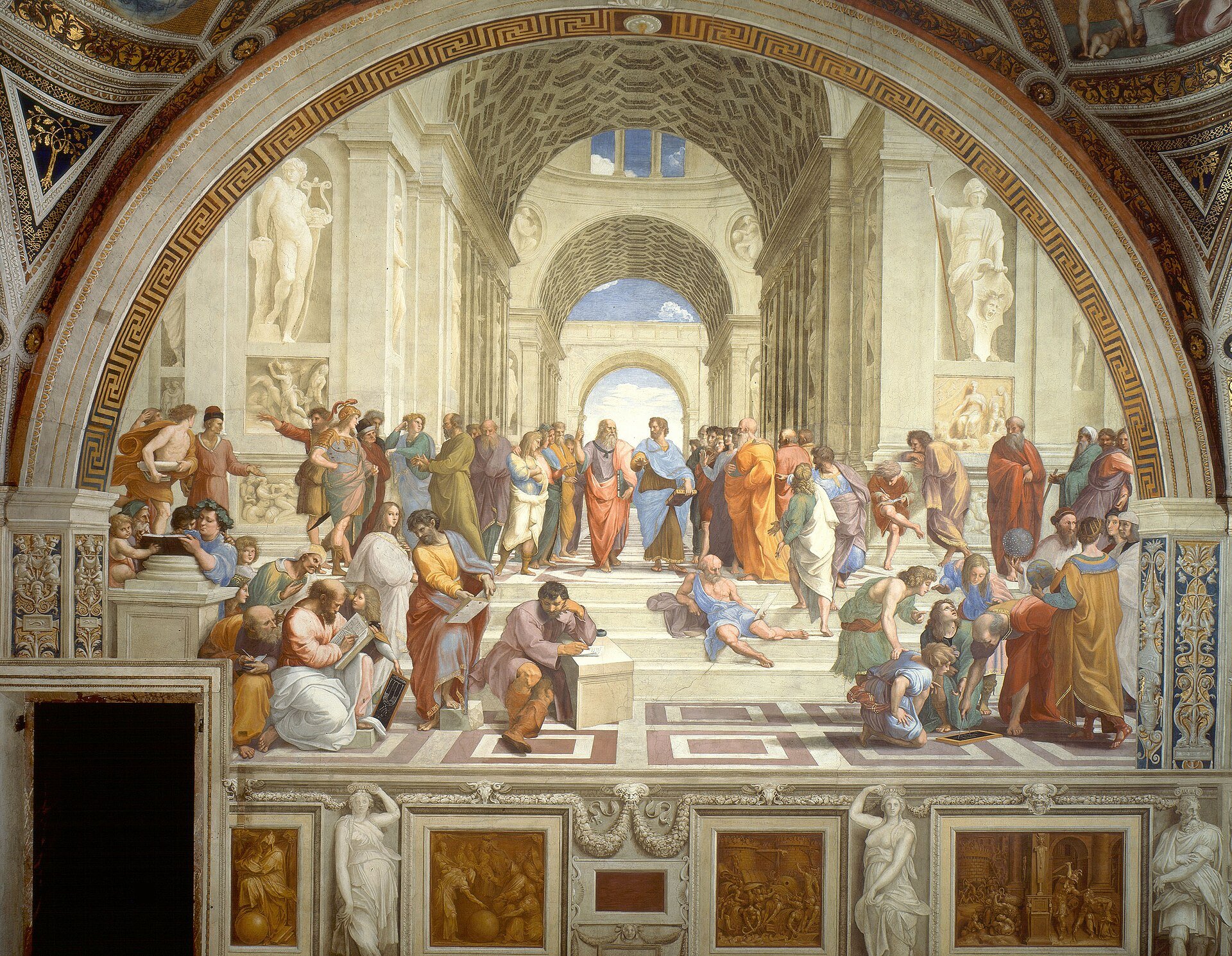
Raphael, School of Athens, 1509-1511
Raphael, Transfiguration, 1520
Exercise: Cennini Technique
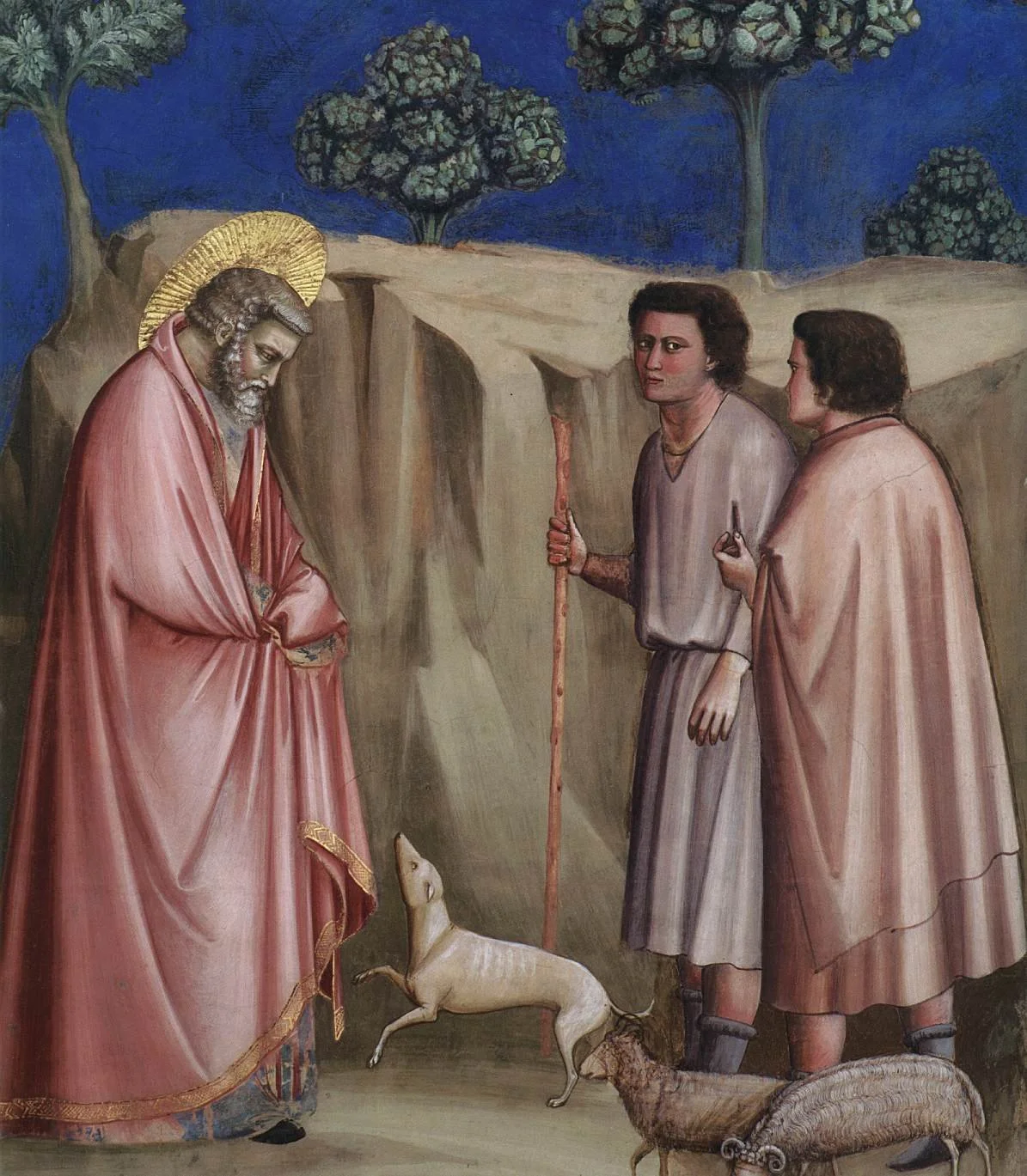
Detail of Joachim among the Shepherds, Giotto
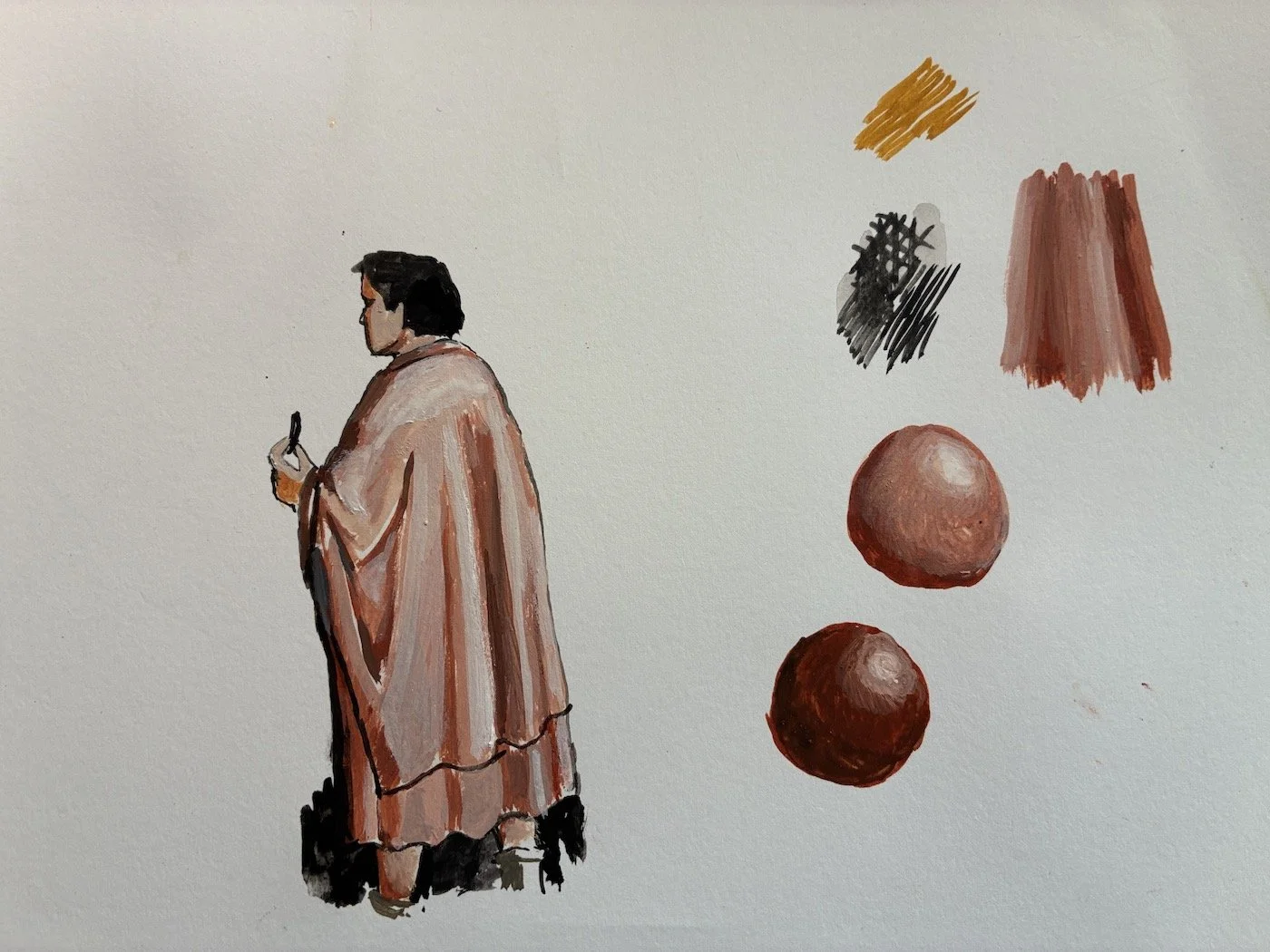
Copy of the Shepherd using the Cennini method in egg tempera